
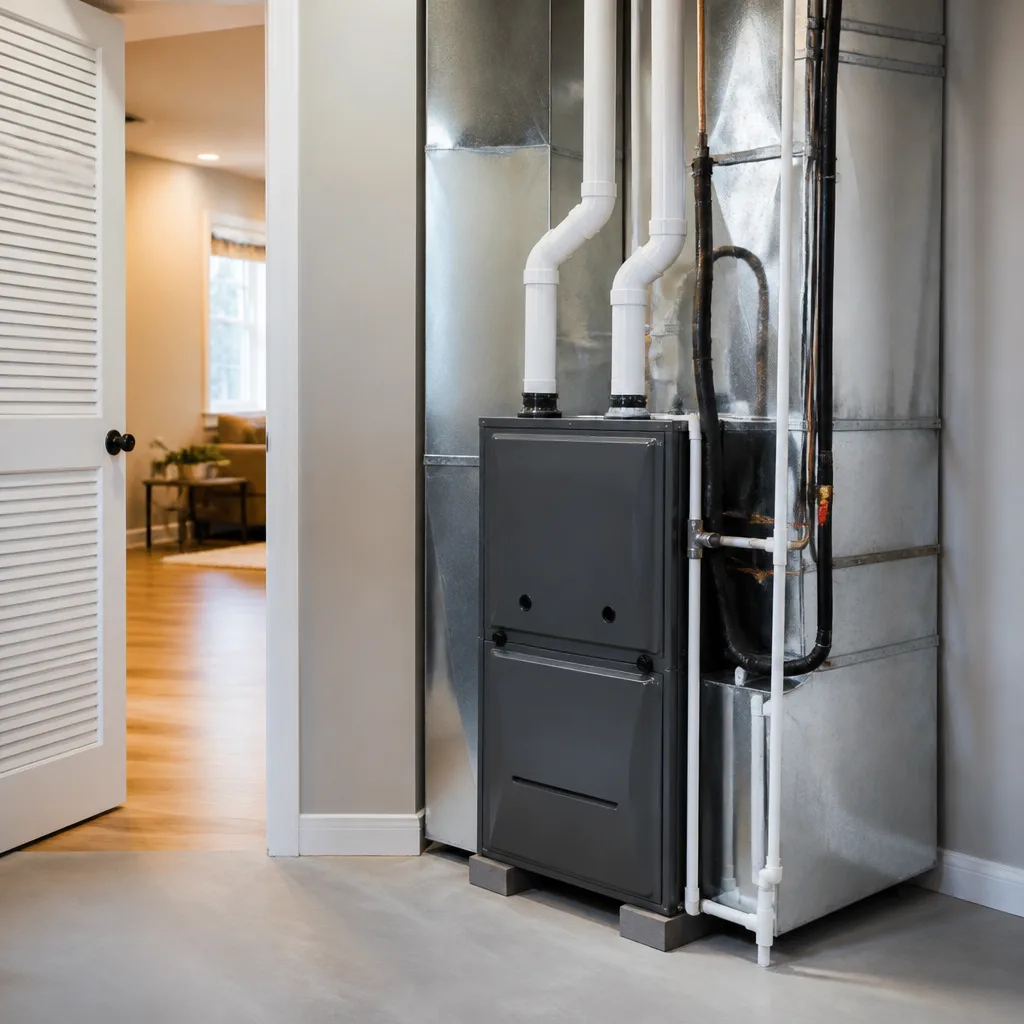
 Furnace & heating
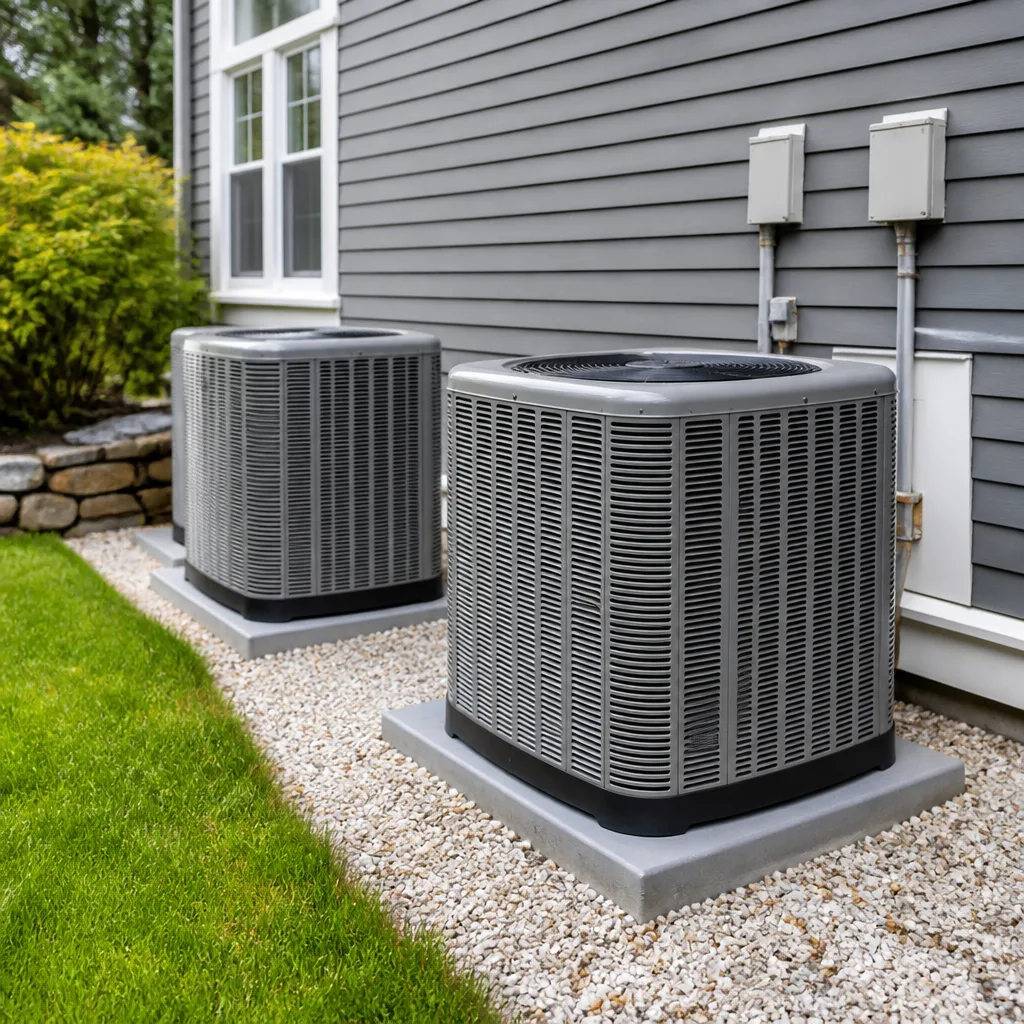 Heat pumps
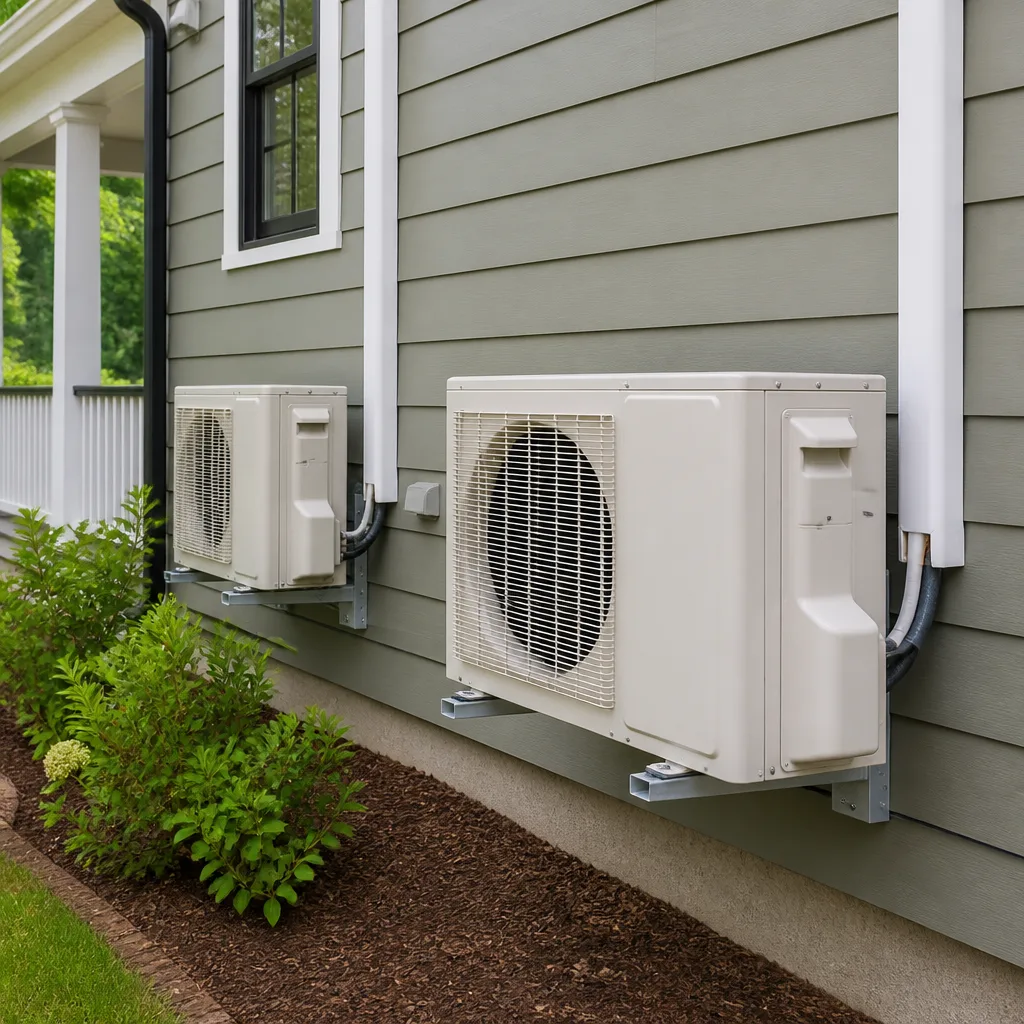 Ductless mini splits
 Carrier
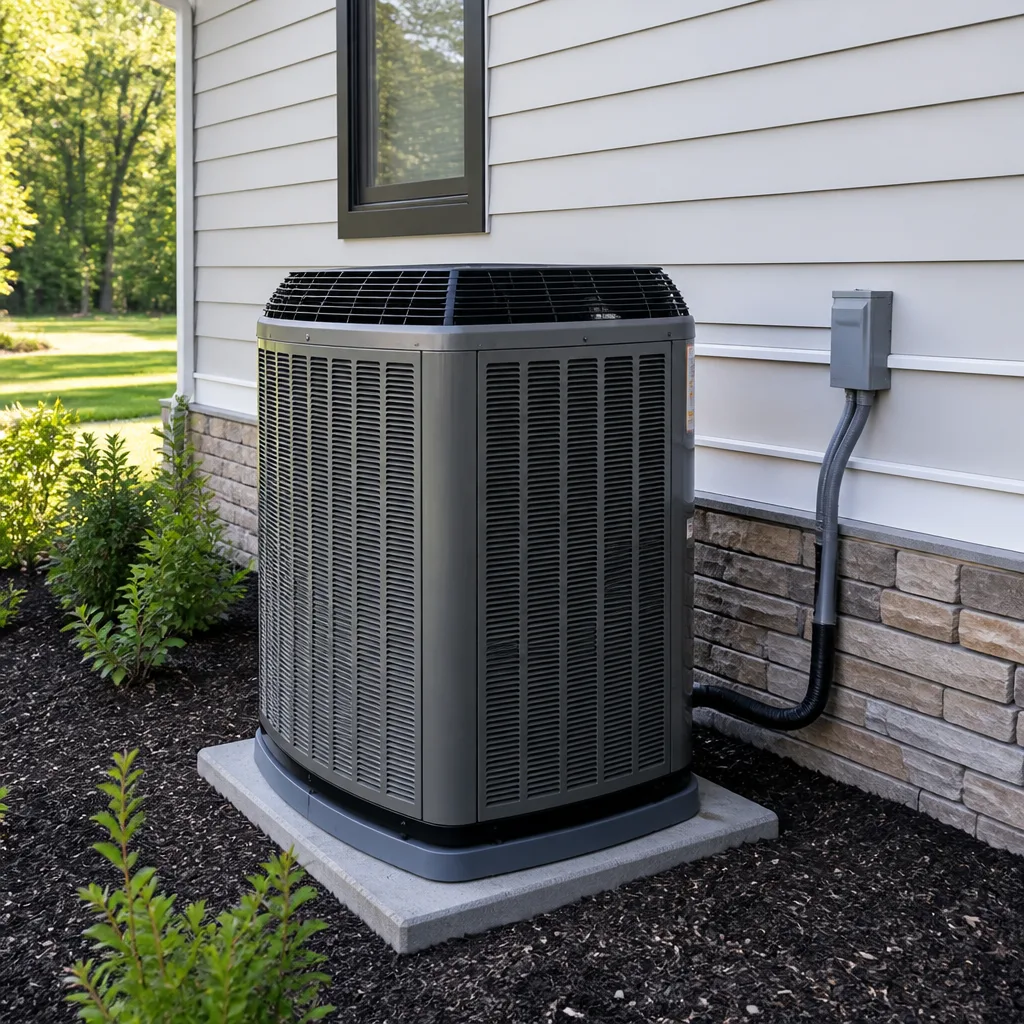 Trane
Trane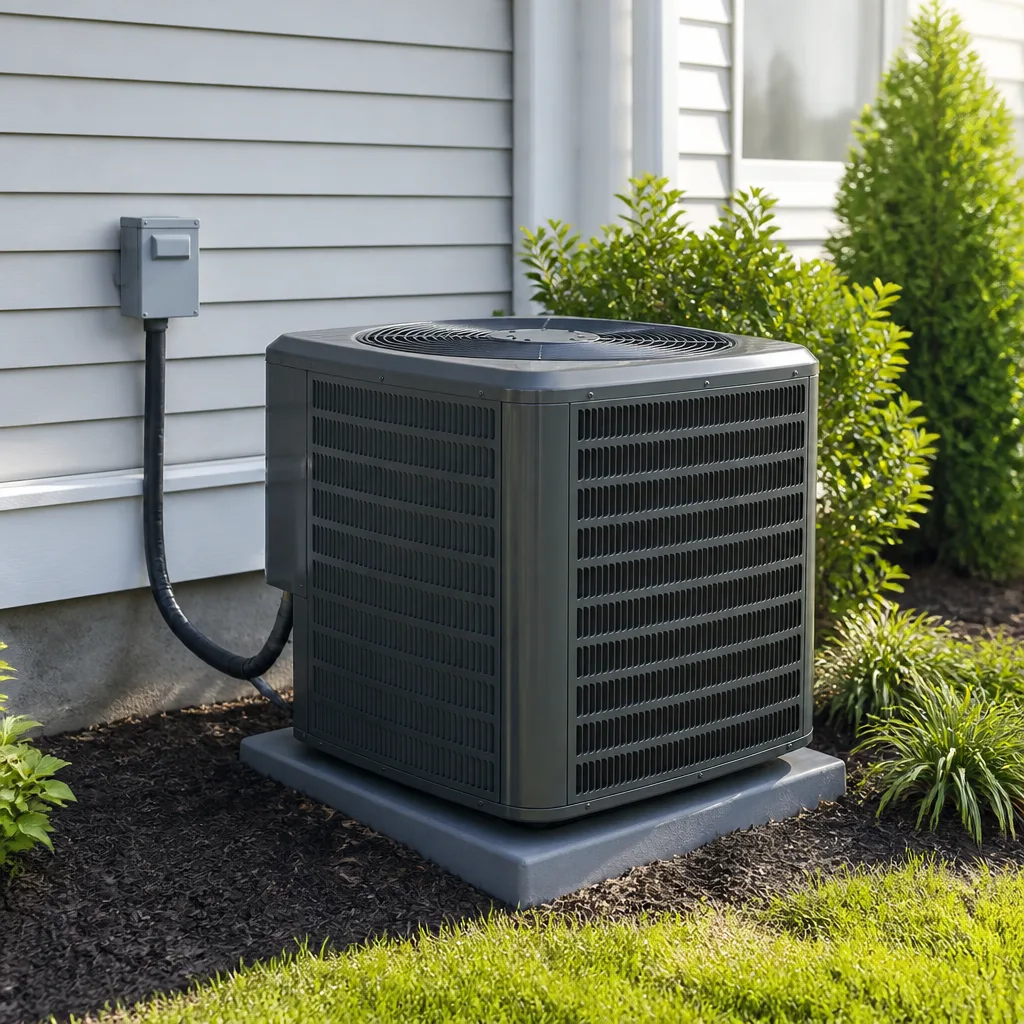 Goodman
Seasonal tune-up and full diagnostic on your Carrier, Trane, or Goodman system - readings shown to you before any repair is proposed
Diagnosis first, numbers second - you approve the repair price before a single part goes in.
Get your free estimateLennox Ductwork Repair: The San Antonio Owner’s Guide
Lennox ductwork repair in San Antonio typically runs $150 – $650 depending on what failed: a collapsed section, a disconnected joint, torn flex duct, or a leaking plenum. We stock Lennox-compatible duct components on our trucks and can usually complete most repairs the same day we diagnose the problem. Most San Antonio homeowners discover duct trouble the same way: one room that never cools, a sudden spike in the electric bill, or dust blowing from a register that used to be clean.
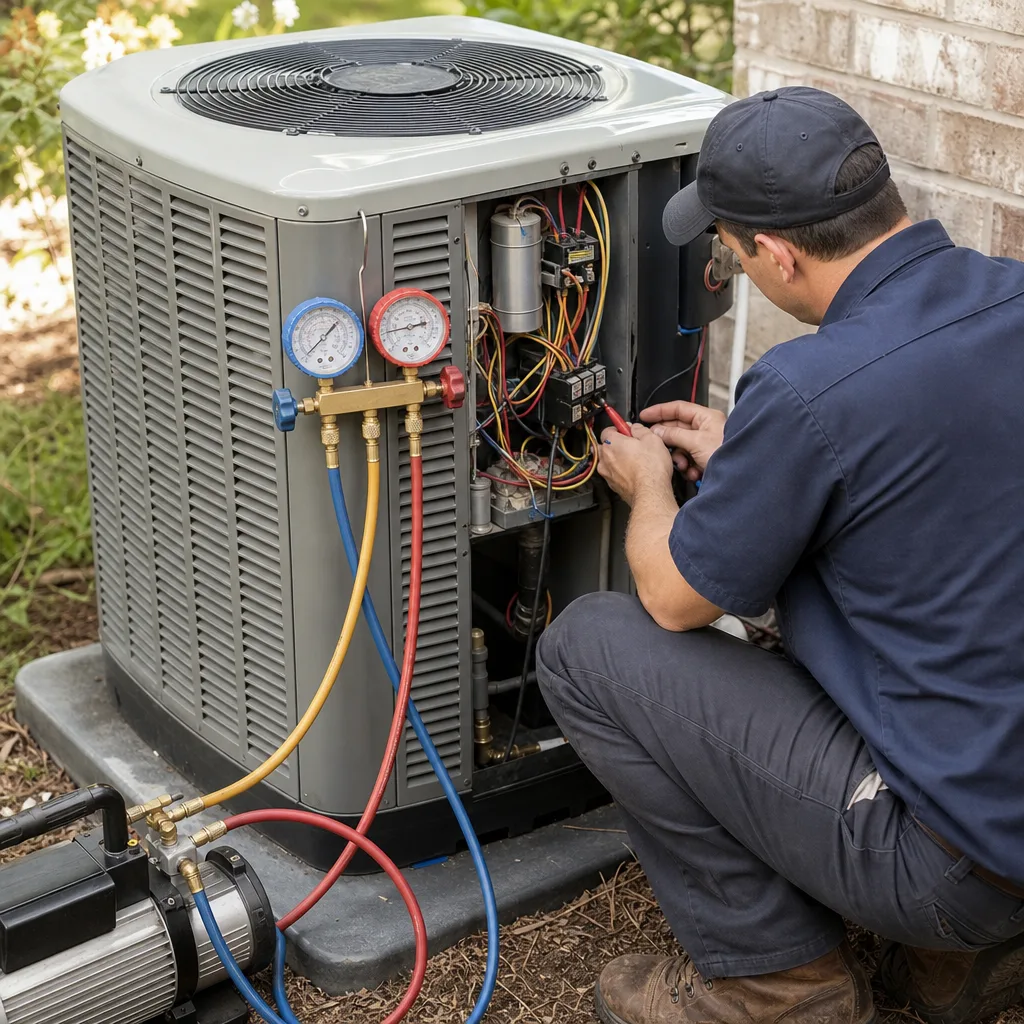
Here’s the thing about ductwork in this part of Texas. The attic is the enemy. In San Antonio, attic temperatures hit 140°F or worse from June through September. Flex duct ages fast up there. The outer vapor barrier gets brittle, the inner liner tears, and before long you’re paying to cool a space that isn’t your living room. Devin Marlowe and our crew have pulled more collapsed duct out of San Antonio attics than we can count, and we can tell you exactly what you’re looking at and what it costs to fix.
Which Lennox Models This Applies To
Ductwork isn’t model-specific the way a control board or a blower motor is. The duct system connects to whatever Lennox equipment you have: an Elite series furnace, a Merit air handler, a Signature heat pump. The repair we’re talking about is the network of supply and return ducts that moves conditioned air from that Lennox unit through your walls and ceilings. So this applies whether you’re running a Lennox ML180 furnace, a 14ACX condenser, or an SLP98V variable-speed system.
What does matter is sizing. San Antonio homes built in the 1970s and 1980s often have sheet metal trunk lines with flex duct branches. Newer construction leans heavily on flex throughout. Lennox systems are engineered for specific static pressure, which is HVAC shorthand for how hard the blower has to push. Undersized or crushed duct makes that blower work harder and fail sooner. One compatibility gotcha we see regularly: contractors sometimes install R-4.2 flex on a system designed for R-6 or R-8. It meets code minimums in some cases but sweats and degrades faster in a San Antonio attic. We stock R-6 and R-8 Lennox-compatible flex on the trucks. For the sheet metal work, we use 26-gauge or heavier where the code and the layout call for it, not the thinnest material that will pass inspection.
On the OEM question: Lennox-branded duct components exist, but this isn’t like a gas valve or a flame sensor where OEM matters for safety or warranty. Quality aftermarket duct board, flex, collars, and mastic from names like Ductmate and Hardcast perform identically when installed to the same spec. We use aftermarket where it saves you money and OEM where the job genuinely calls for it, and we’ll tell you which is which and why before any work starts.
Styles & brands we work with
Signs Your Lennox Ductwork Repair Is Failing
- One room that won’t cool while the rest of the house is fine. This usually means a branch duct has separated from its collar or collapsed in the attic. The air is being dumped into the attic instead of your bedroom.
- Dust or insulation blowing from a supply register. A torn flex duct inner liner pulls attic insulation and dust into the airstream. You’re breathing what’s in your attic.
- A sudden jump in your CPS Energy bill with no change in thermostat settings. A duct leak of even 20% means your Lennox system runs longer to hit the same temperature. In a San Antonio July, that adds up fast.
- A musty or stale smell when the system kicks on. Return-side duct leaks draw hot, humid attic air into the system. That humidity condenses inside the duct and grows things you don’t want.
- Whistling or hissing near a register or in a hallway ceiling. That’s air escaping under pressure through a gap or a kinked flex run. The noise is the leak announcing itself.
See the difference
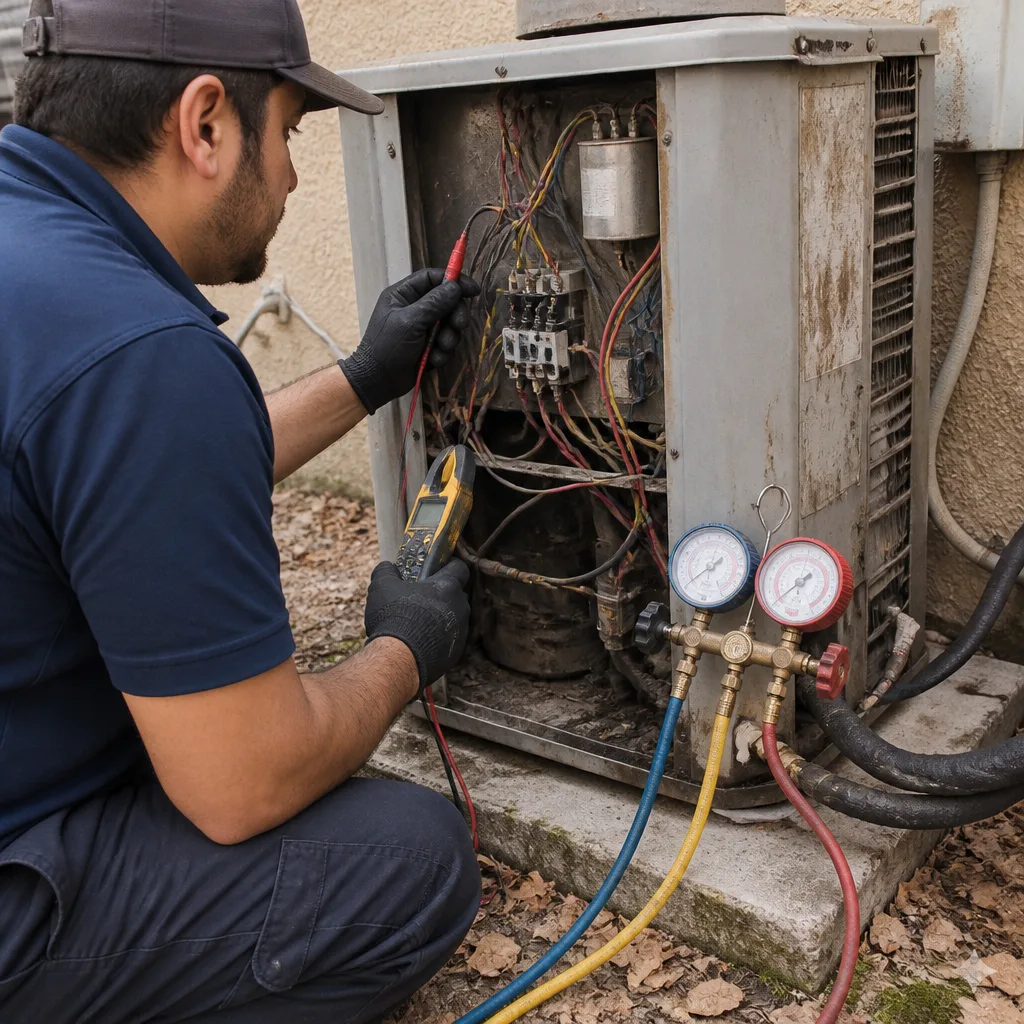 Before
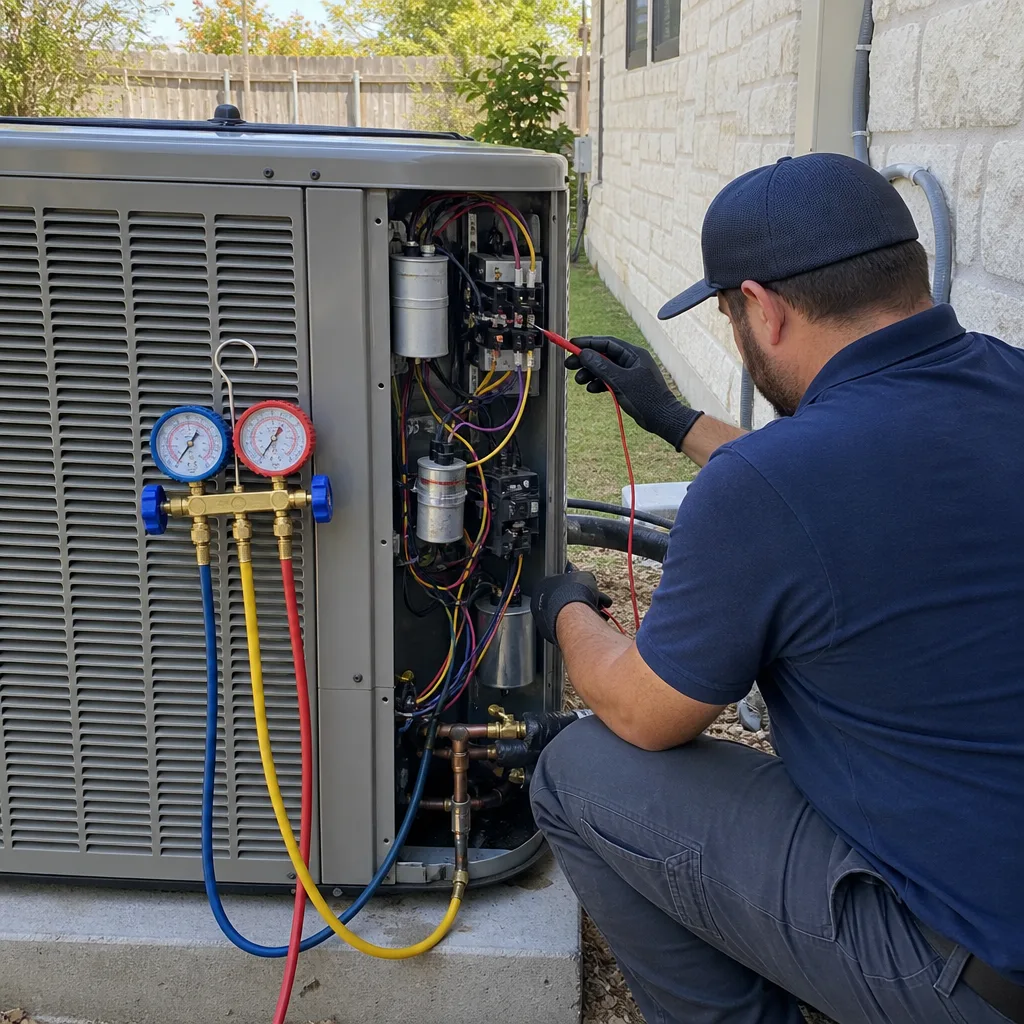 After
After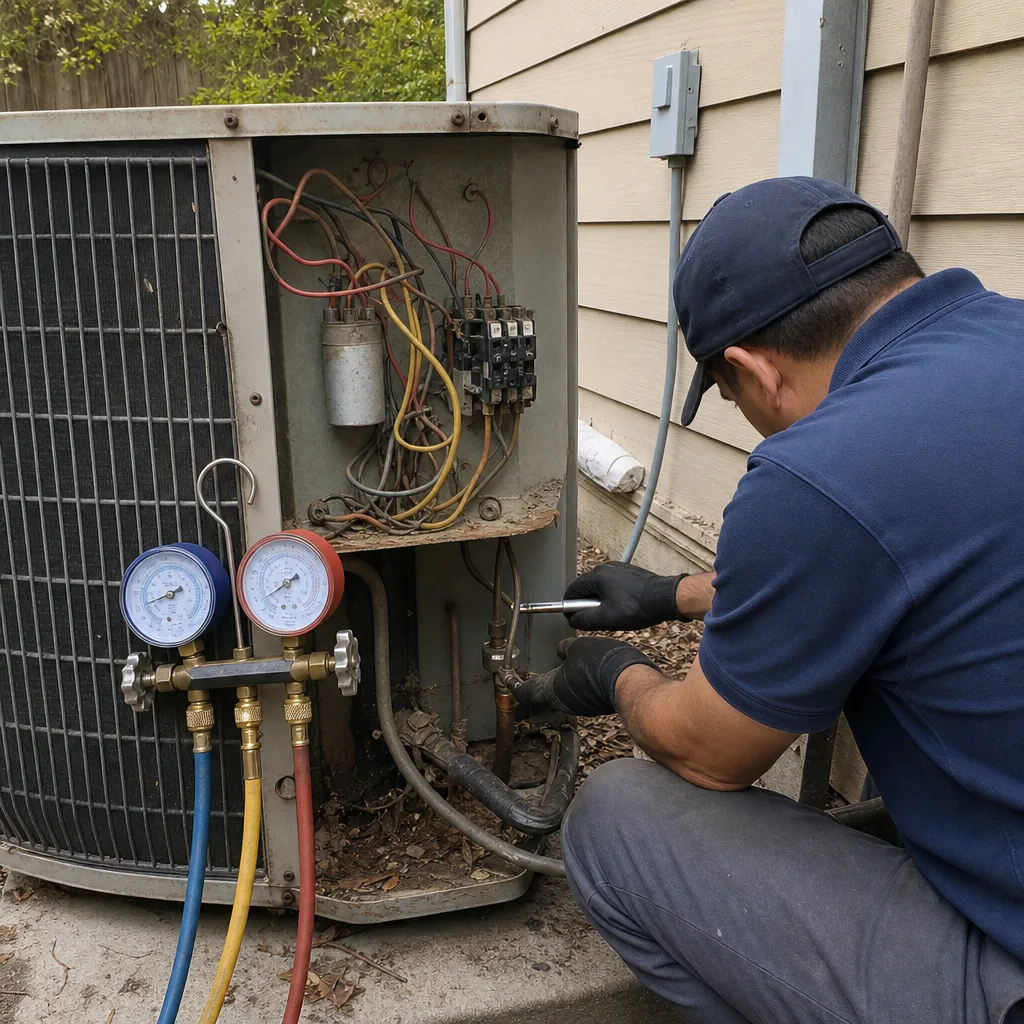 Before
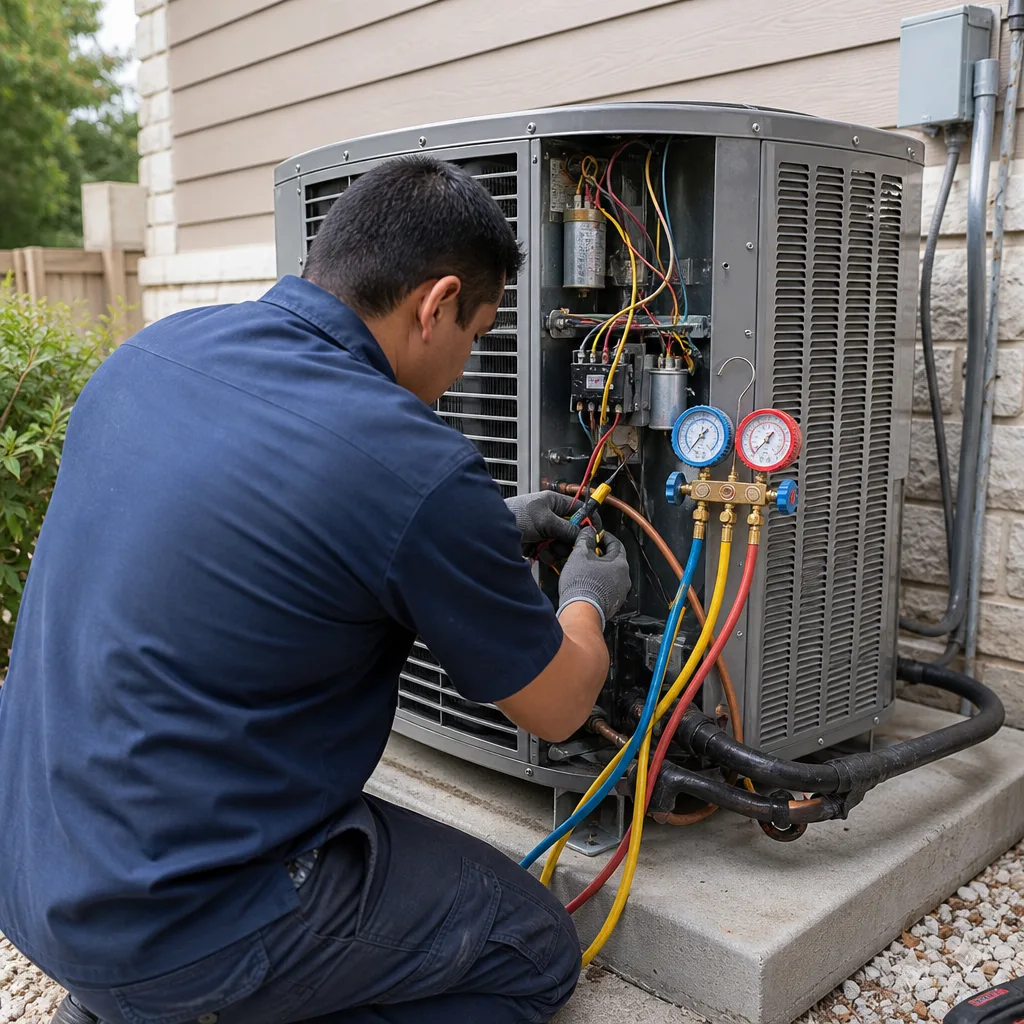 After
After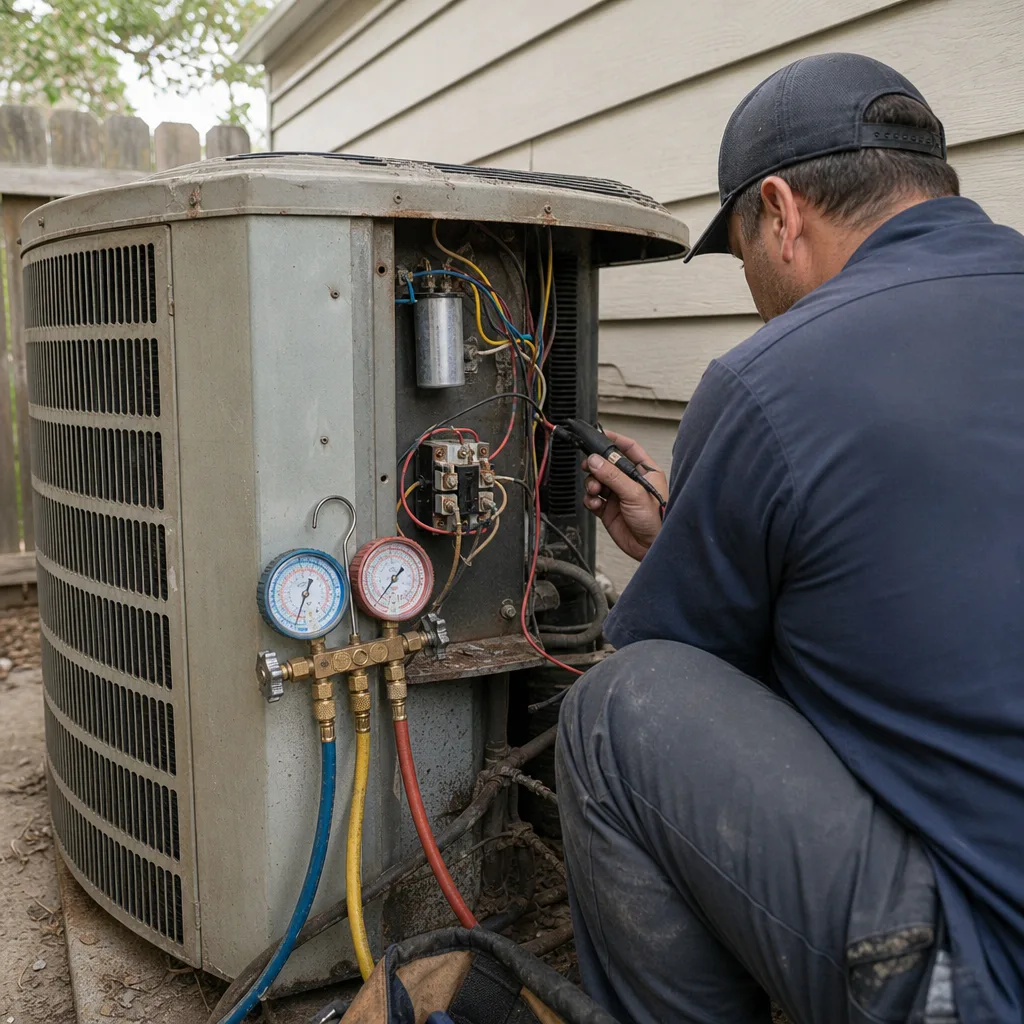 Before
 After
AfterReplacement Cost & What’s Included
Here’s the straight pricing picture for San Antonio. A simple disconnected duct at a single register: $150 – $250, including reconnection, sealing with mastic, and support strapping. A torn or collapsed flex run replacement of 10 – 25 feet: $250 – $500 depending on the diameter and attic access. A plenum repair or rebuild at the unit: $400 – $650 when the connection between the Lennox equipment and the duct system itself has failed. Full duct replacement in a typical San Antonio home runs higher, but that’s a different job with a different quote.
Every one of those numbers is parts and labor, tax included, in writing before we touch a fitting. No hourly surprise at the end of the job. The work carries our 365-Day Done Right Promise: if the repair fails within a year, we come back at no charge and make it right. That’s the guarantee written on every repair invoice, not something we mention when things go wrong.
DIY or Call Us?
You can safely do the detective work yourself. Go up during the day with a flashlight. Look for disconnected flex, obvious tears, kinks where the duct is bent too sharply, and registers that feel warm when the AC is running. You can also feel for air leaking around register boots from inside the house. What you shouldn’t do is attempt a repair from the attic without proper support boards, a respirator for blown insulation, and the right sealing materials. One wrong step through a drywall ceiling costs more than the duct repair. And a poorly sealed joint you can’t see will leak forever.
If you find something up there, call us at (361) 470-8872. We’ll tell you over the phone what we think it is, give you a written price before we start, and send a technician you know by name and photo before they arrive. As Devin puts it: “Tell me what’s wrong, I’ll tell you what it costs, and we’ll get your house back to livable.”
FAQs
Flex duct in a San Antonio attic typically lasts 15 – 20 years before the vapor barrier breaks down from heat exposure, though we’ve seen it fail in under 10 when it was undersized or poorly supported. Sheet metal trunk lines last 40+ years but still need joint sealing over time. If your home was built in the early 2000s or before and still has original flex duct, you’re in the replacement window. Call (361) 470-8872 and we’ll inspect what’s actually up there before recommending anything.
Repair makes sense when the damage is isolated: one separated collar, one torn run, one leaky plenum seam. We repair what’s repairable and tell you plainly when a section is too far gone. The honest answer depends on what we find in the attic, not on what makes us the most money. Estimates are free.
Most single-run repairs take 1 – 3 hours from attic entry to cleanup. A plenum rebuild or multiple-run replacement can take half a day to a full day. We’ll give you a time window and a written price before the job starts, and we don’t leave until the air in every room moves the way it should.
We stock R-6 and R-8 flex duct, collars, mastic, metal fittings, and plenum materials on our trucks in the sizes most San Antonio homes use. For unusual configurations or sheet metal work that requires fabrication, we can usually have it cut and ready within a day or two. We also service and stock parts for Carrier and Trane equipment, so if your duct problem traces back to the unit itself, we can handle that too.
Written by Devin Marlowe, Owner, Brandt HVAC Co San Antonio at Brandt HVAC Co San Antonio, serving San Antonio and nearby areas.