
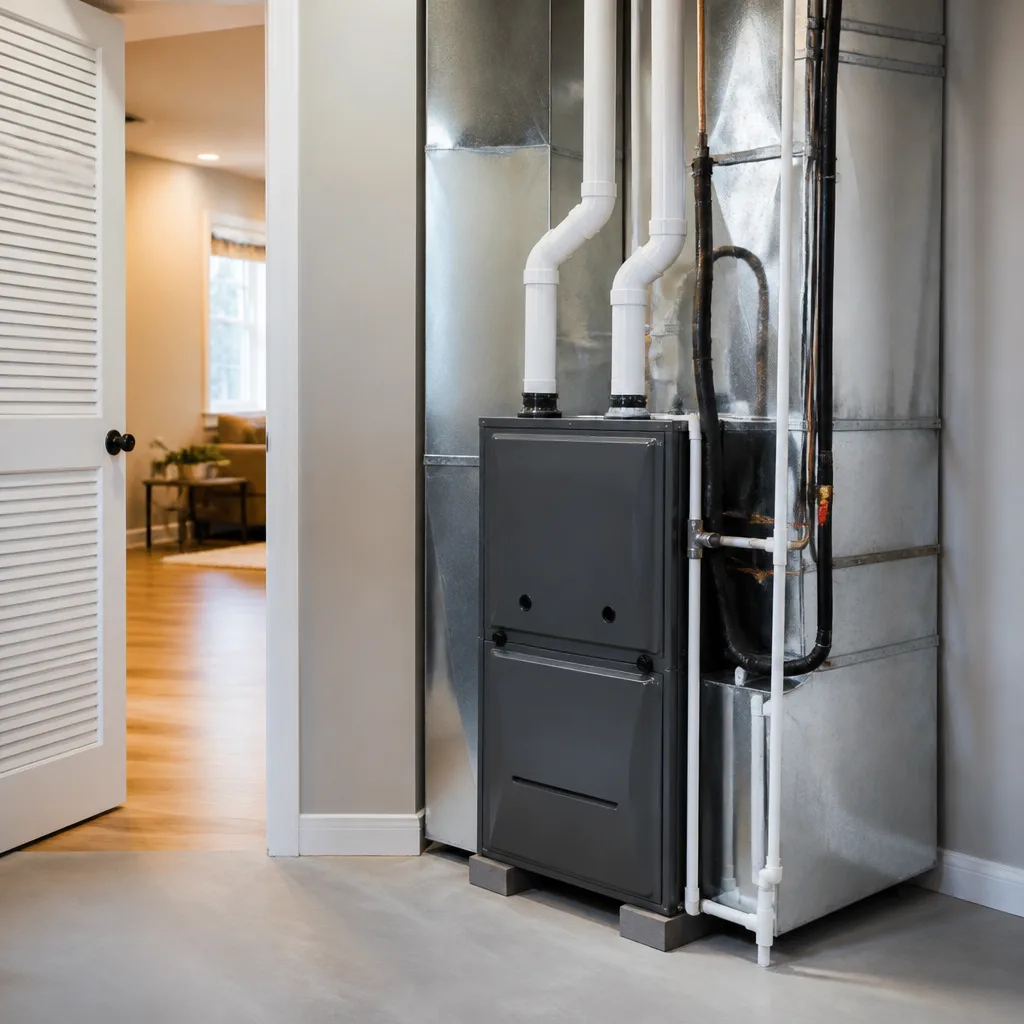
 Furnace & heating
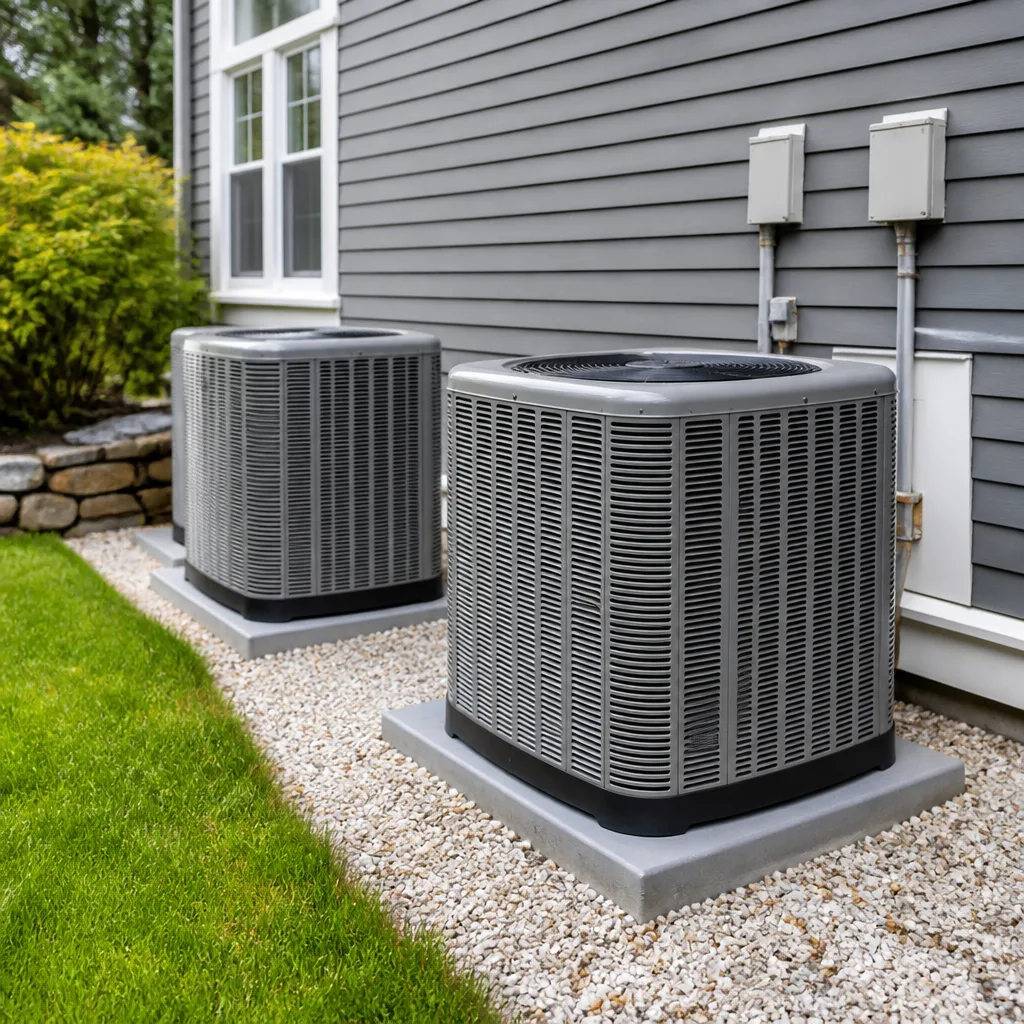 Heat pumps
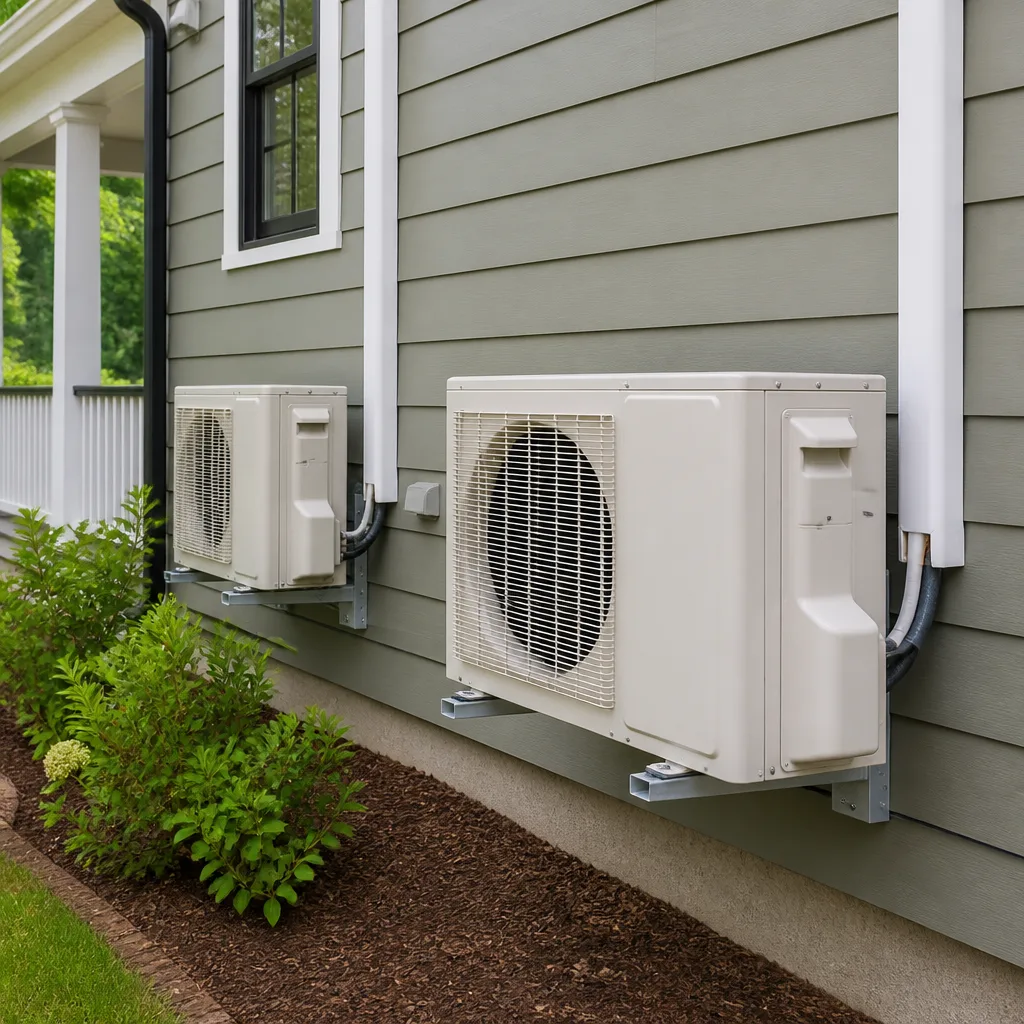 Ductless mini splits
 Carrier
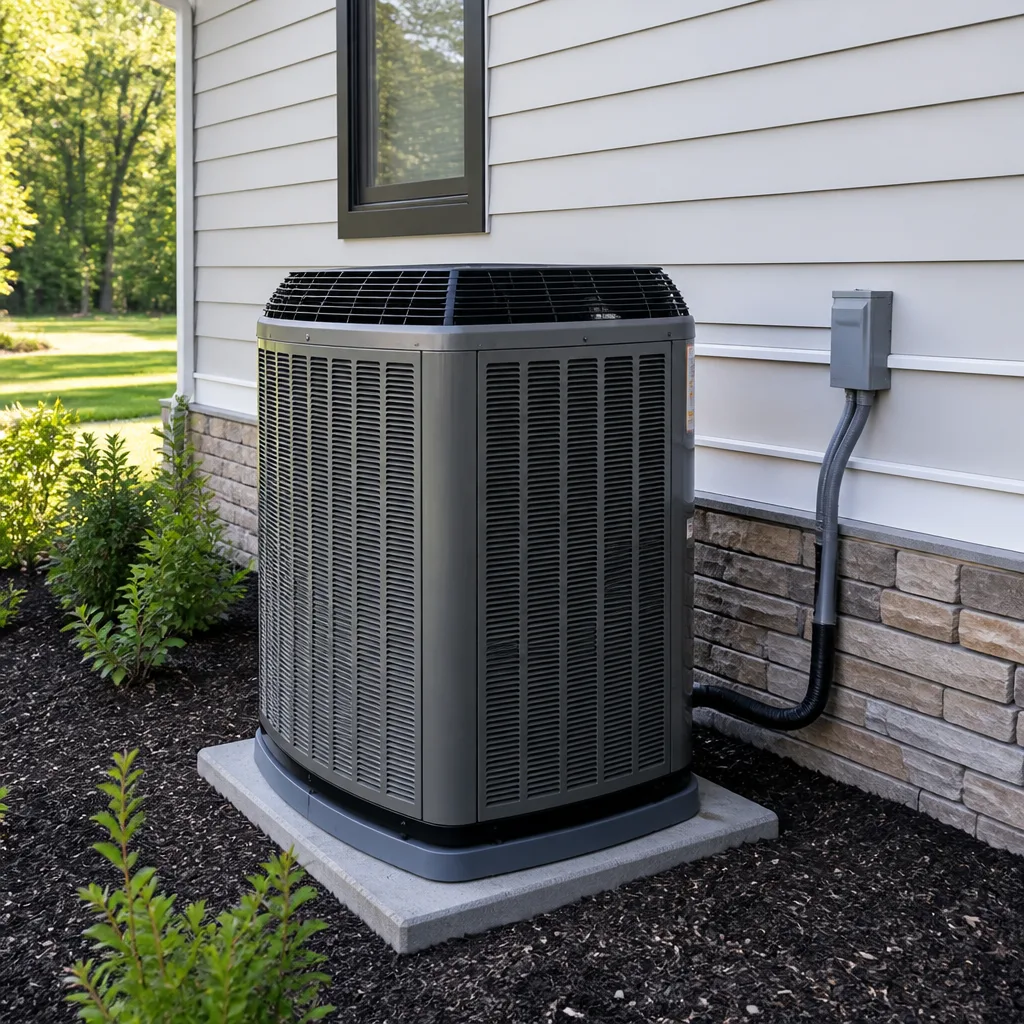 Trane
Trane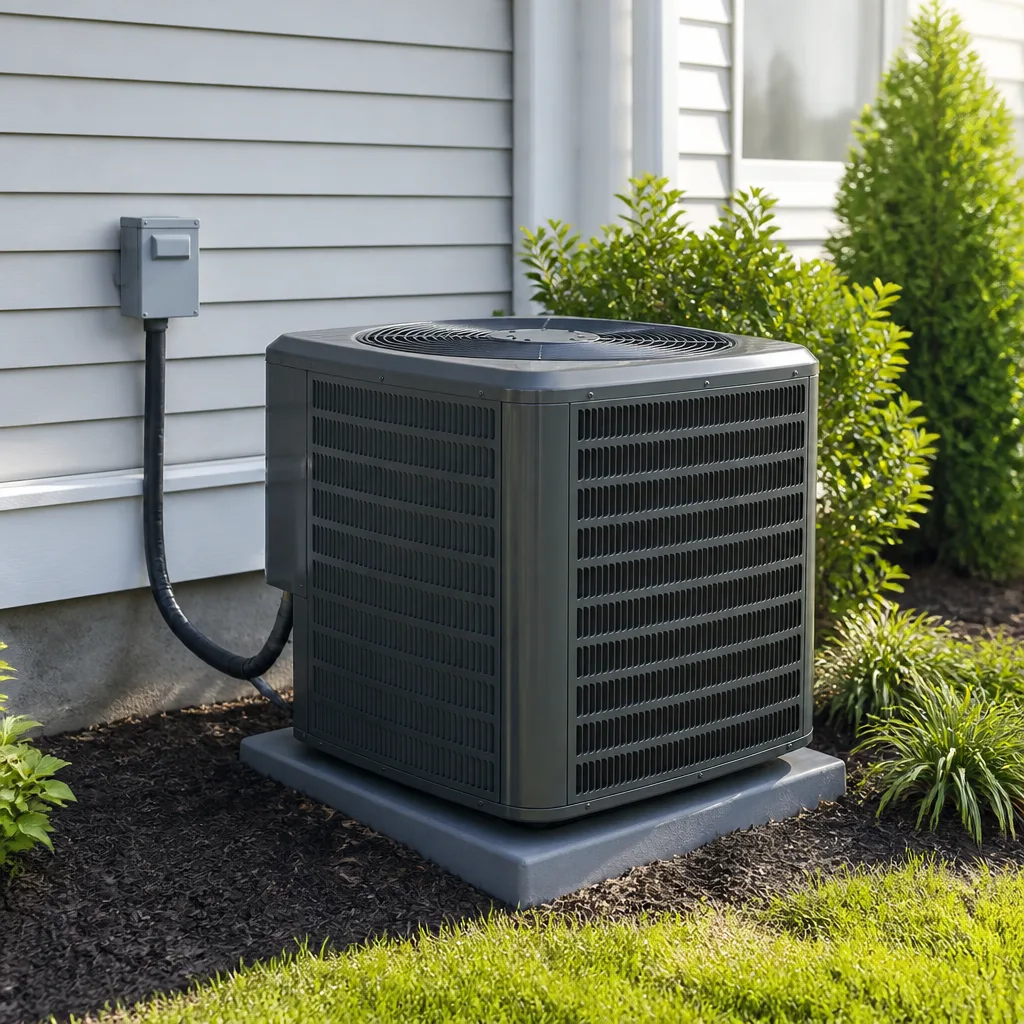 Goodman
Seasonal tune-up and full diagnostic on your Carrier, Trane, or Goodman system - readings shown to you before any repair is proposed
Diagnosis first, numbers second - you approve the repair price before a single part goes in.
Get your free estimateAmerican Standard Ductwork Repair: The San Antonio Owner’s Guide
We repair American Standard ductwork throughout San Antonio, and in most homes the work runs $150 – $650 depending on how much of the duct system has failed. We keep American Standard-compatible duct materials and fittings on our trucks, so in many San Antonio neighborhoods we can complete repairs the same day we diagnose the problem. You’ll usually notice it first as a room that won’t hold temperature, a musty smell when the system kicks on, or a dust film that returns days after cleaning.
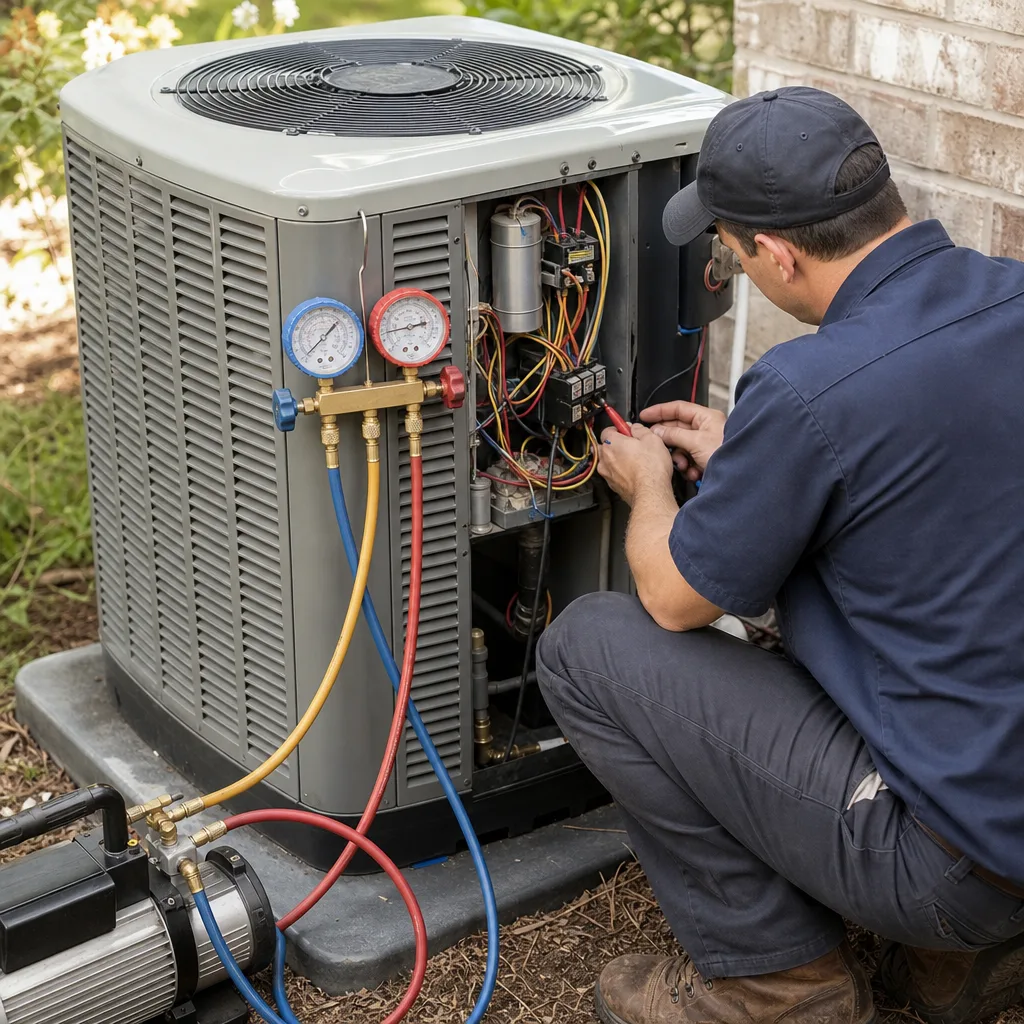
The thing about ductwork is that it’s the part of your American Standard system you never see. It runs through attics that hit 140°F in a San Antonio August, through walls, under floors. When it tears, separates, or collapses, your system keeps running fine while the air you paid to condition leaks into spaces where nobody lives. That’s the frustrating part: the equipment works, but the house doesn’t feel it.
Which American Standard Models This Applies To
Ductwork repair isn’t tied to one American Standard air handler or condenser model. Whether you have a Silver series, Gold series, or Platinum series system, the ducts are the delivery network, and the same failure modes apply across every line. What matters is the duct type, size, and age, not the badge on the cabinet.
American Standard systems in San Antonio typically connect to one of three duct types: flexible ducts (the insulated silver tubes you see in attics), rigid sheet metal ducts, or fiberboard duct runs. Flex duct is by far the most common in residential San Antonio homes, and it’s also the most likely to fail. The inner liner tears, the outer jacket gets crushed by storage boxes or roof work, or the connections at the plenum and register boxes come loose and start dumping conditioned air into the attic. One compatibility gotcha specific to American Standard installs: many San Antonio homes have mismatched duct transitions at the plenum, where an installer connected a 16-inch flex to a 14-inch collar. That restriction point is where we see repeated failures, and it’s a measurement we check on every duct repair call.
Styles & brands we work with
Signs Your American Standard Ductwork Repair Is Failing
- Rooms that never reach the thermostat setting. You set the thermostat to 74, the unit runs all afternoon, and the back bedroom still reads 80. That’s not the AC struggling; that’s likely a duct separation or crush point bleeding conditioned air into the attic before it reaches that register.
- Dust film on surfaces within days of cleaning. A torn return duct pulls unfiltered attic air into your system, which then distributes it through the house. If you’re dusting twice a week and it’s back by Wednesday, we look hard at the return side first.
- Musty or attic smell when the blower starts. A return duct crack will draw in hot, stale attic air, and you’ll smell it in the first minute the system runs. That odor is specific: it smells like your attic, because that’s where the air is coming from.
- Utility bills climb while comfort drops. Duct leakage in San Antonio homes averages around 20 – 30% of total airflow. When your American Standard system is losing a quarter of what it produces into unconditioned space, the compressor runs longer, the bill rises, and the house still isn’t comfortable.
- Whistling or a thumping noise when the blower cycles. A loose flex connection can flap or whistle as air moves across it. The thump is often a collapsed section of duct reinflating when the system starts, then sagging again when it stops.
See the difference
 Before
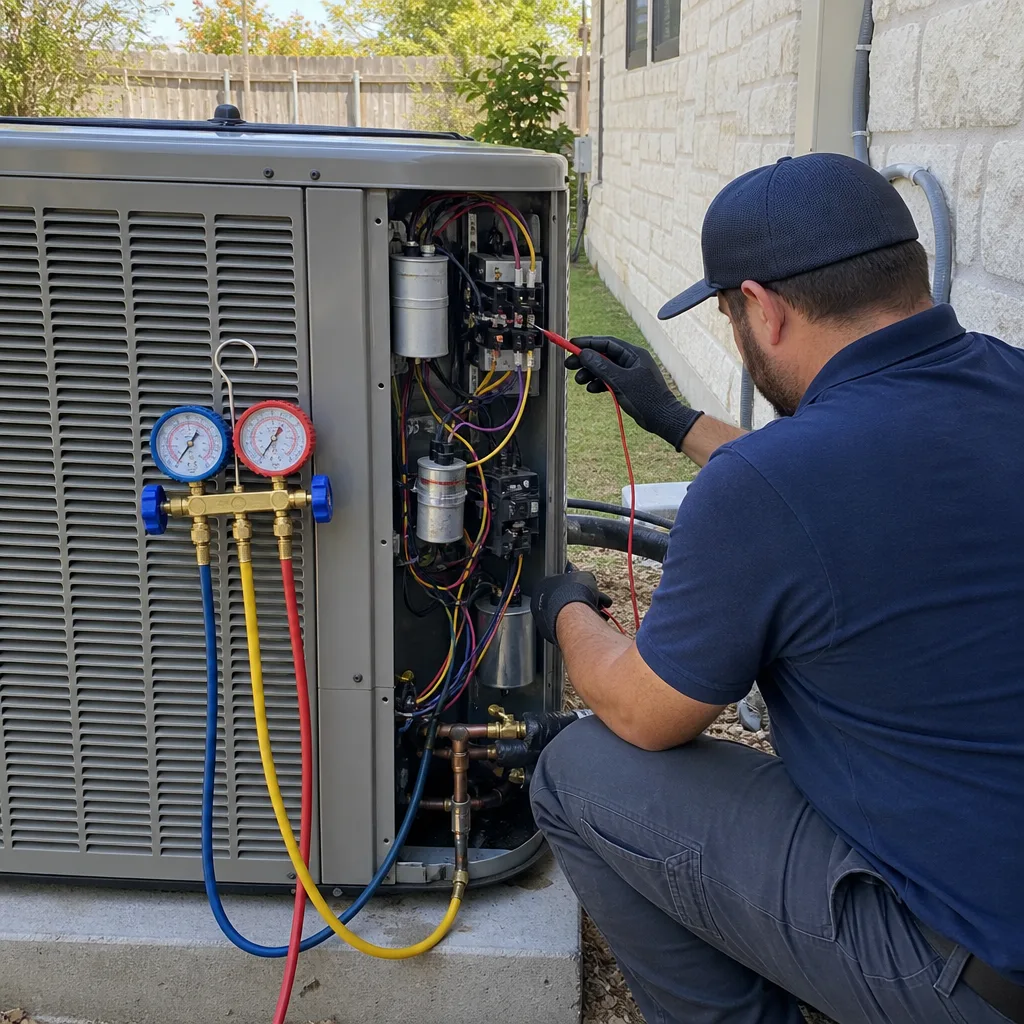 After
After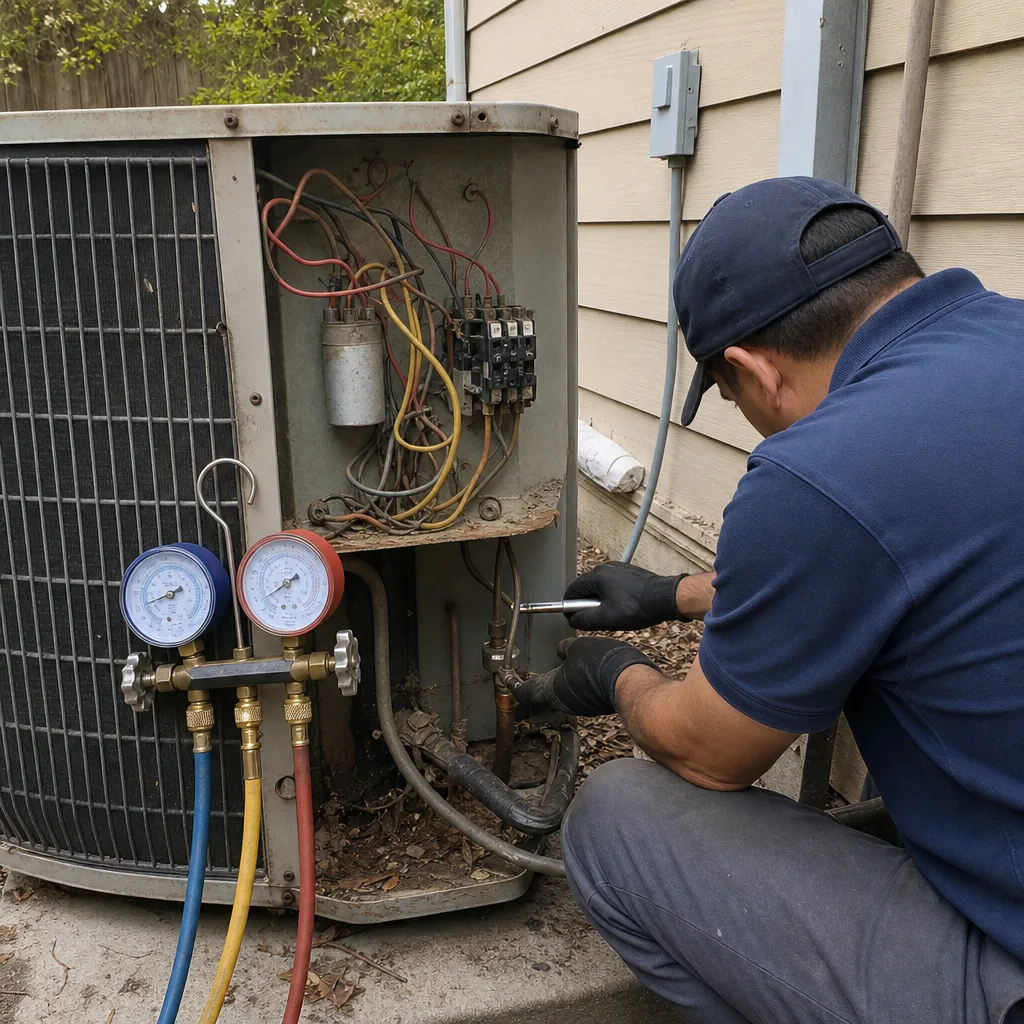 Before
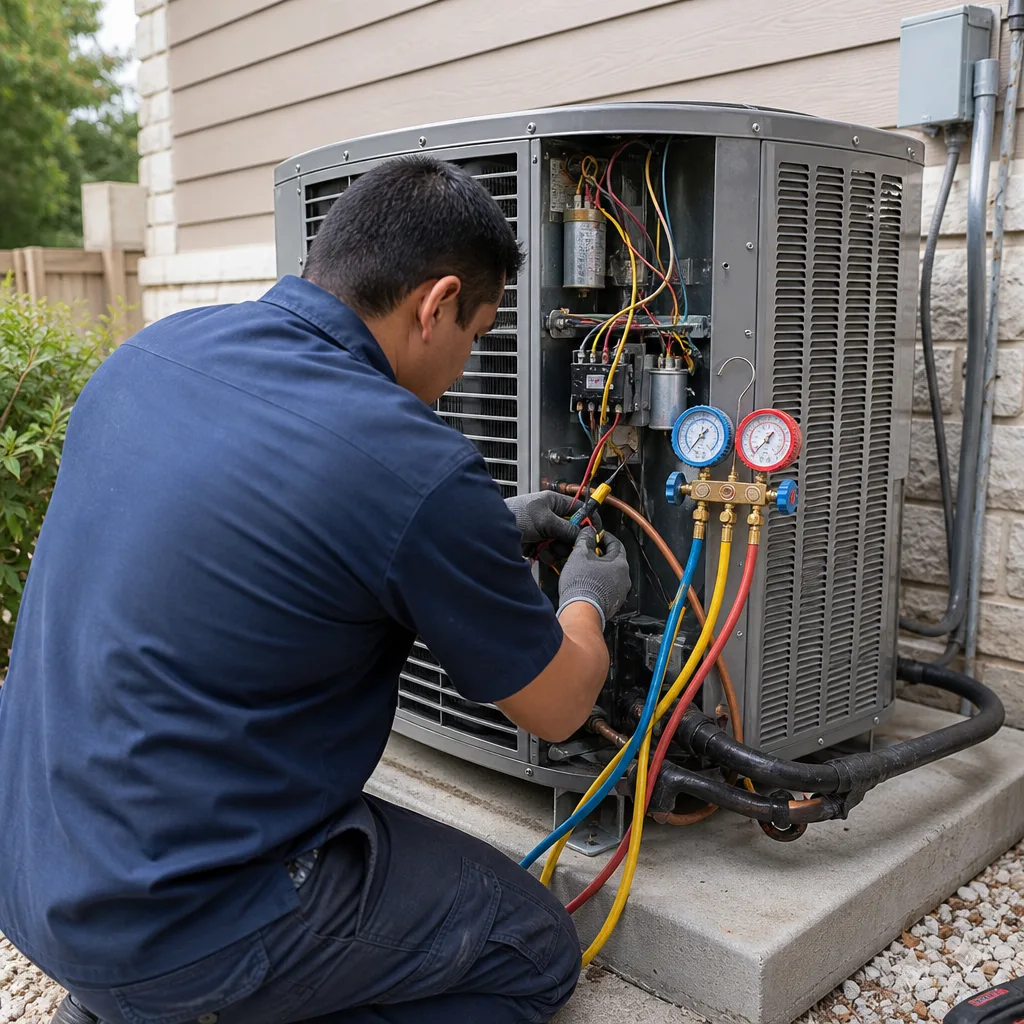 After
After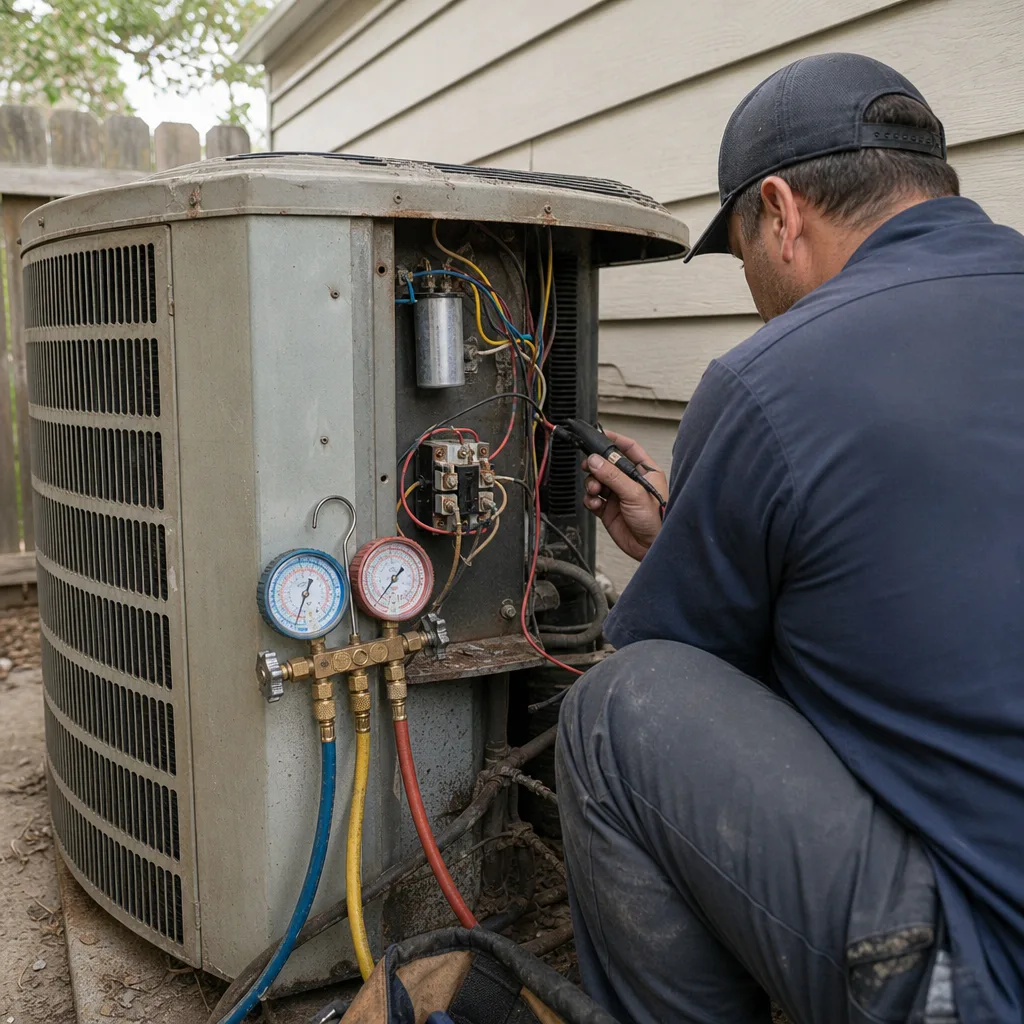 Before
 After
AfterReplacement Cost & What’s Included
Most American Standard ductwork repairs in San Antonio fall between $150 and $650, and the spread comes down to three things: how much duct has failed, whether it’s in a crawlspace or attic, and whether we’re patching a single run or replacing a collapsed section. A simple reseal and re-secure at one register boot runs on the lower end. Replacing a full crushed flex run with new insulated duct and new collars lands higher.
Every duct repair from Brandt HVAC Co San Antonio starts with a written price before we touch anything. You’ll see the part with the part number, the labor line, and the total, and you’ll approve it before work starts. No surprises, no “while we were up there” add-ons. The repair is guaranteed for 365 days under our Done Right Promise: if the ductwork we fixed fails within a year, we return and make it right at no charge.
DIY or Call Us?
There’s a safe middle ground here. You can absolutely walk your attic and look for obvious problems: a flex duct that’s visibly collapsed, a register boot that’s separated from the floor, a torn outer jacket with insulation spilling out. Marking those spots before we arrive makes the repair faster and cheaper. What we don’t recommend is climbing into a San Antonio attic in August to cut, splice, and mastic-seal ductwork yourself. Attics that trap 140°F heat will sap you fast, and a mis-sized splice or a poorly sealed collar just leaks again in six months, costing more than the first repair would have. The other risk nobody talks about: walking a joist wrong and going through the ceiling. We carry the right tapes, mastics, and collars, and we know which connections on American Standard systems fail most in this climate. If you’ve found something and want an honest read on whether it’s a repair or a replacement, call (361) 470-8872 and describe what you saw. We’ll tell you what it’s likely to cost before we ever send a truck.
FAQs
Flex duct in San Antonio attics typically lasts 12 – 18 years before the inner liner degrades or connections fail. The attic heat accelerates the breakdown of the plastic inner liner, and any rodent activity or roof work shortens that further. Rigid metal duct can last 30+ years if sealed well, but the sealing material still breaks down over time.
Yes, in most cases a single damaged run can be repaired: a torn section can be cut out and spliced, a crushed run can be replaced in that section, and loose connections can be resealed with mastic and new collars. Full replacement makes sense when multiple runs have failed or the duct system was undersized from the start. We’ll show you what we found and quote both options if they apply.
Most single-run duct repairs in San Antonio take 1 – 2 hours once we’re in the attic. Multiple runs or replacing a crushed section may take half a day. We’ll give you a realistic time window with the written quote before work starts.
We carry standard flex duct sizes (4-inch through 16-inch), collars, mastic, UL-listed tapes, and register boots on our trucks, so most duct repairs don’t require a parts run. If a special-order transition or custom plenum piece is needed, we’ll tell you upfront and schedule the work for when the part arrives. We also stock parts for Carrier, Trane, and Lennox systems for households with mixed equipment.
Ductwork problems don’t announce themselves. They show up as uneven temperatures, dust, and a bill that keeps climbing. If you think your American Standard system is leaking air, call (361) 470-8872 and tell us what you’re seeing. We’ll give you a straight answer on what’s wrong, what it costs, and when we can get it fixed.
Written by Devin Marlowe, Owner, Brandt HVAC Co San Antonio at Brandt HVAC Co San Antonio, serving San Antonio and nearby areas.