
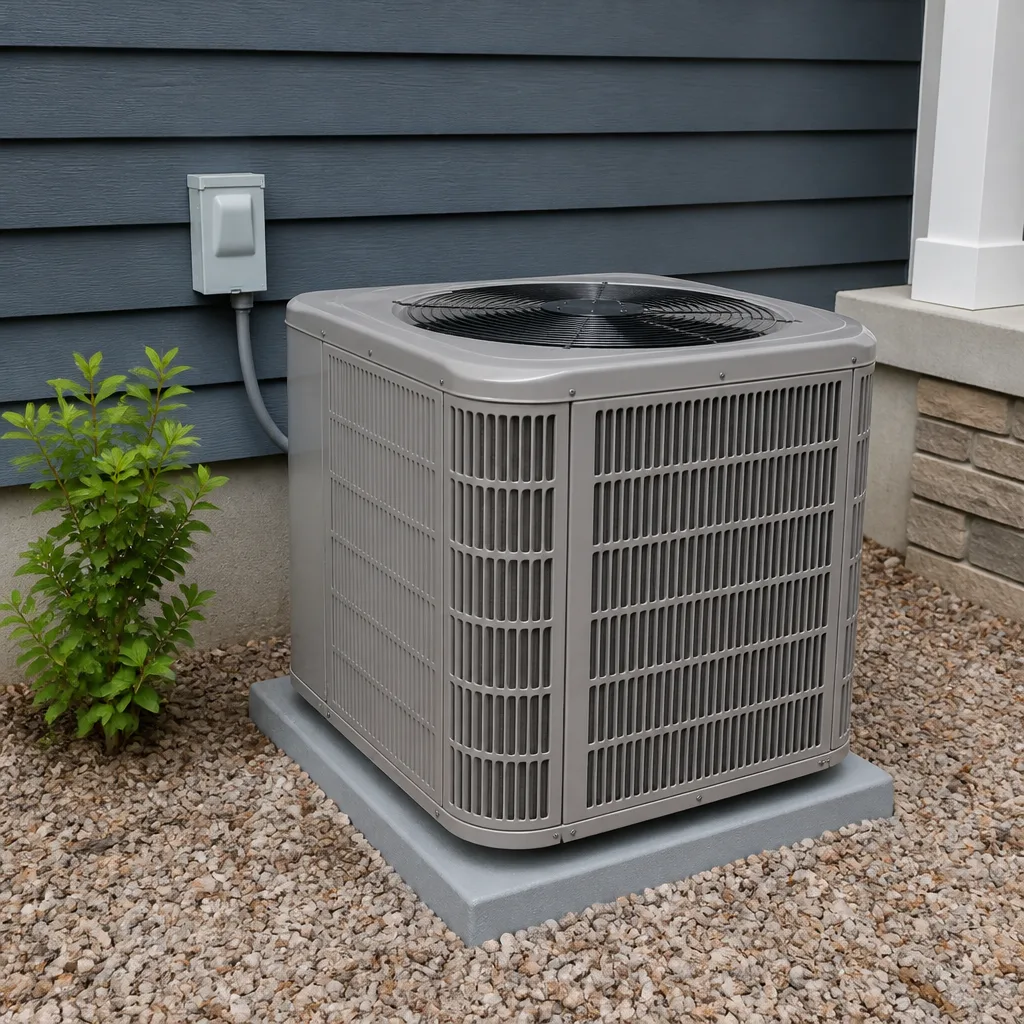
 Carrier
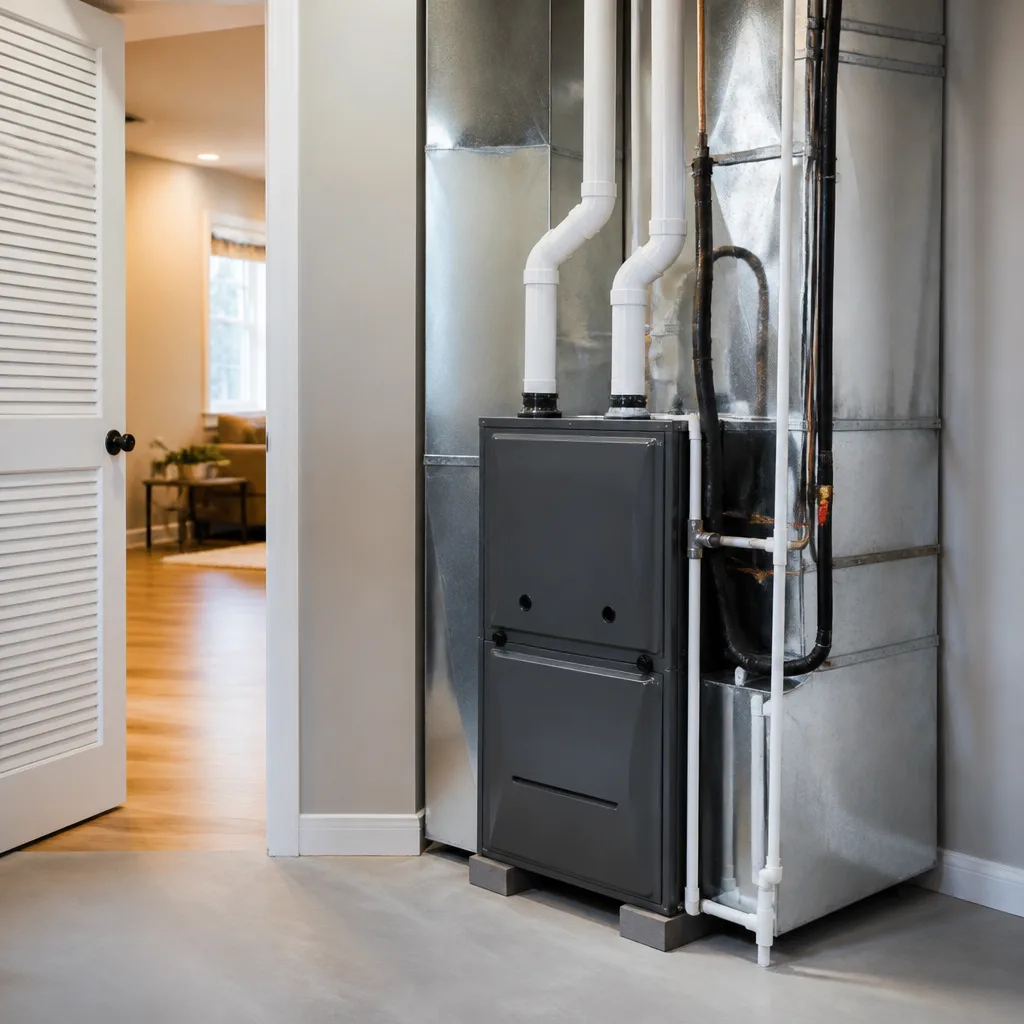 Furnace & heating
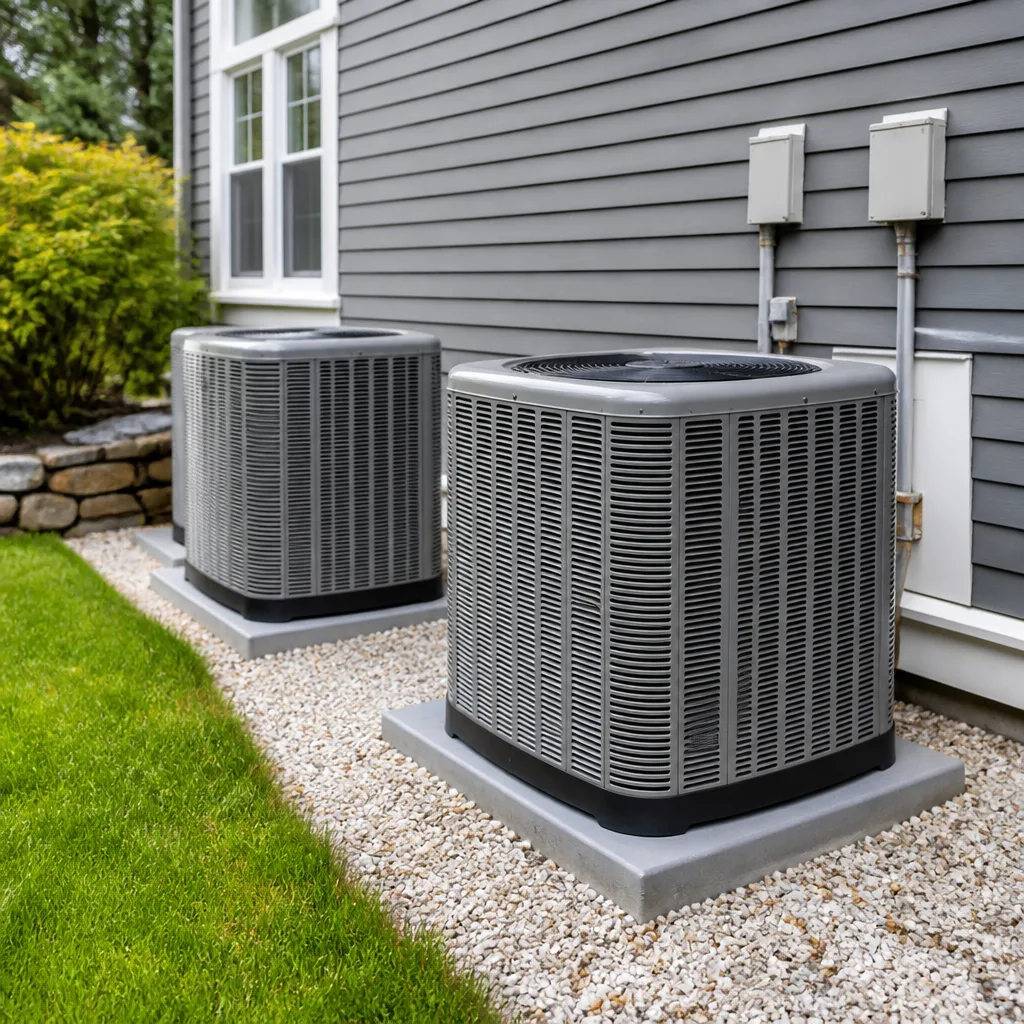 Heat pumps
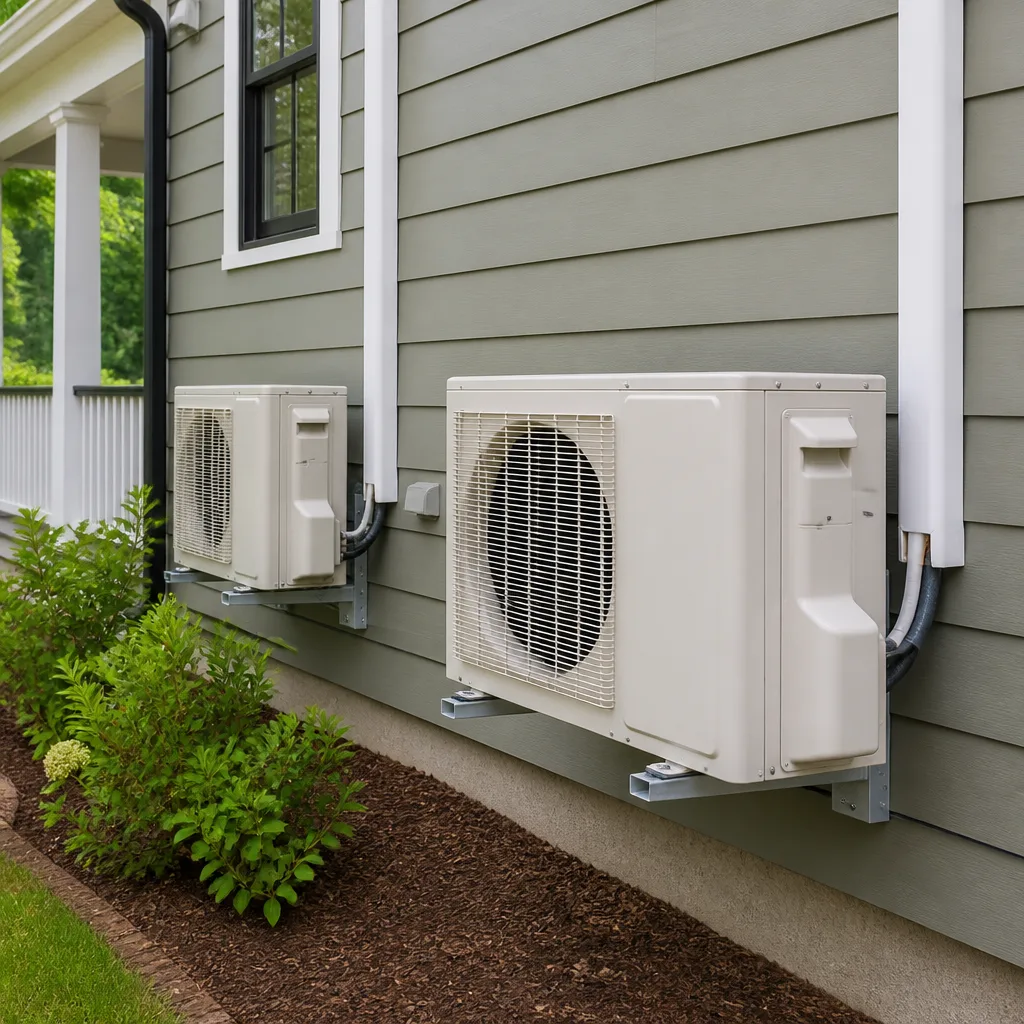 Ductless mini splits
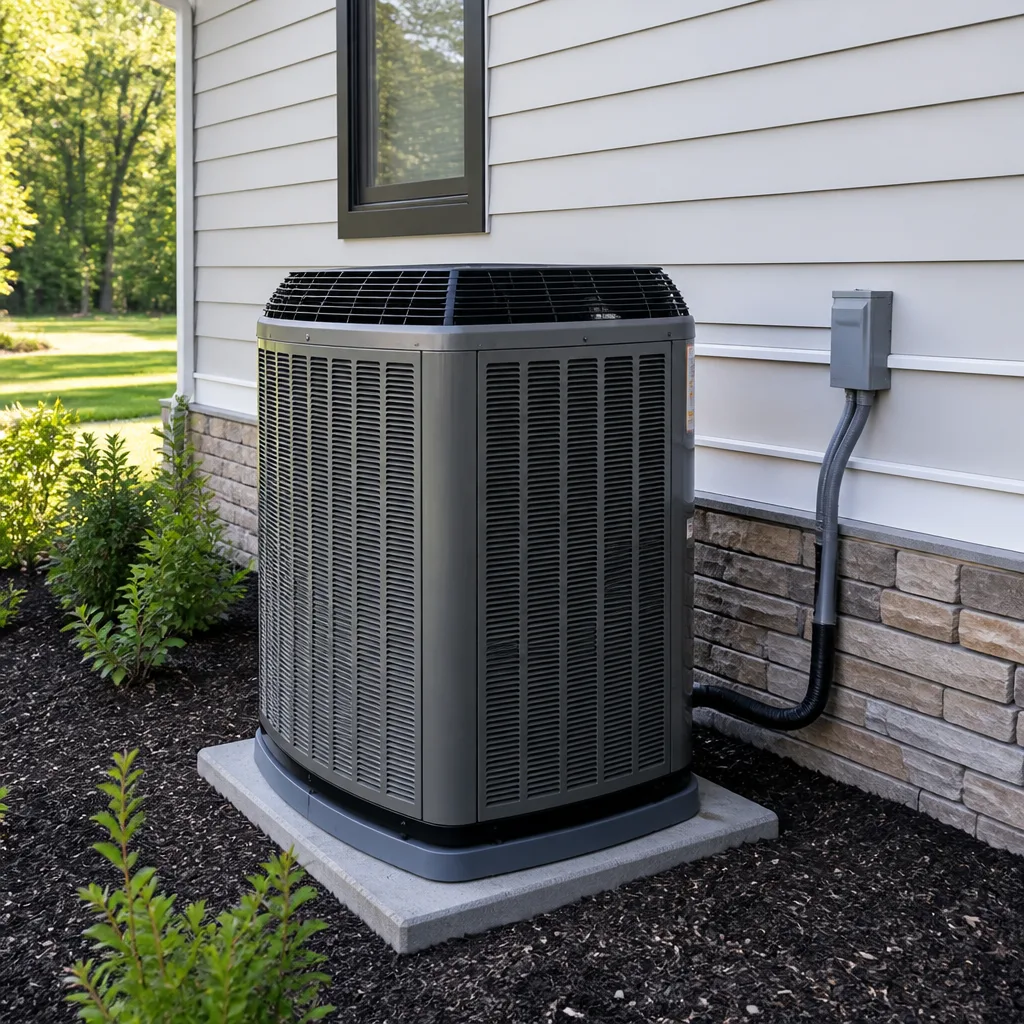 Trane
Trane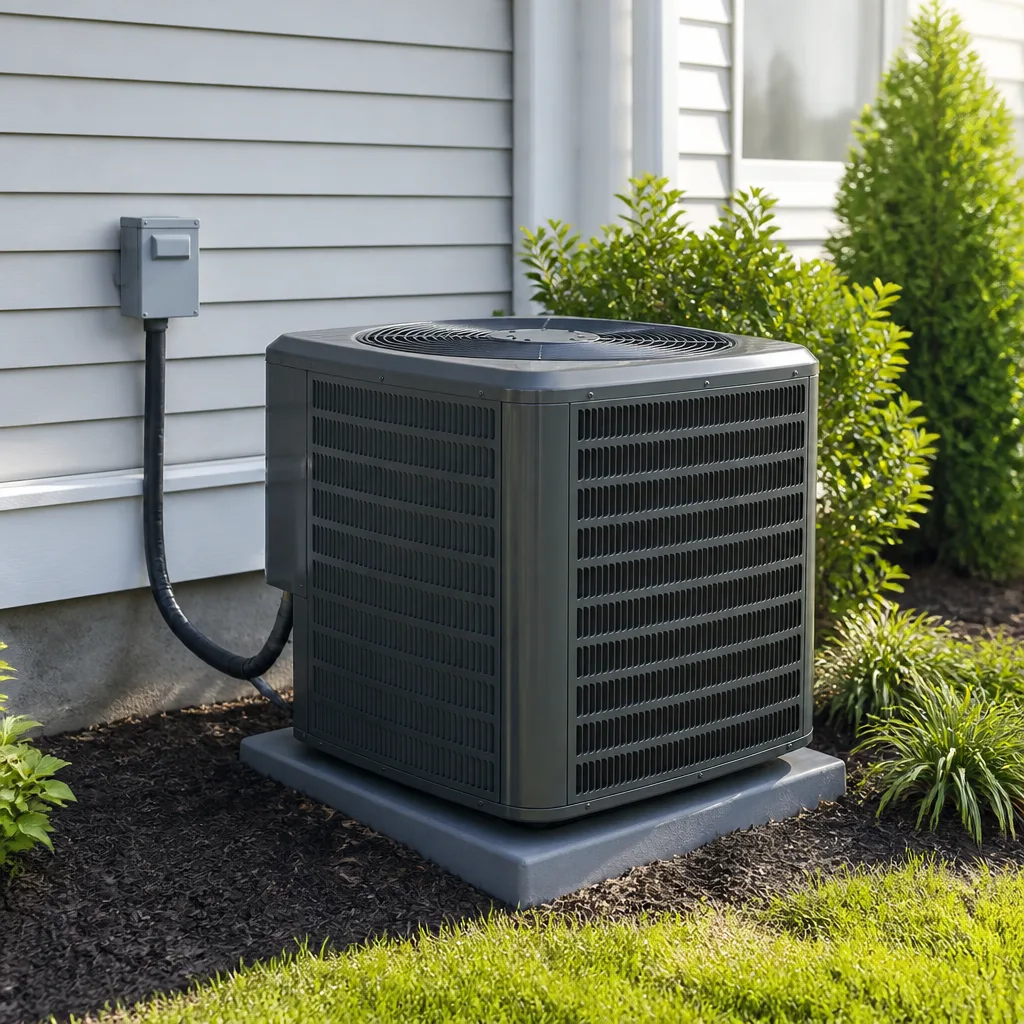 Goodman
Seasonal tune-up and full diagnostic on your Carrier, Trane, or Goodman system - readings shown to you before any repair is proposed
Diagnosis first, numbers second - you approve the repair price before a single part goes in.
Get your free estimateCarrier Capacitor Replacement: The San Antonio Owner’s Guide
A Carrier capacitor replacement in San Antonio typically runs $150 to $320 installed, depending on whether it’s a single or dual-run capacitor and which Carrier series you own. We stock Carrier-compatible capacitors on our trucks and can usually complete the swap the same day you call. Most homeowners discover the problem the same way: the outdoor unit hums but the fan won’t spin, or the compressor clicks on and off every few minutes without actually cooling the house.
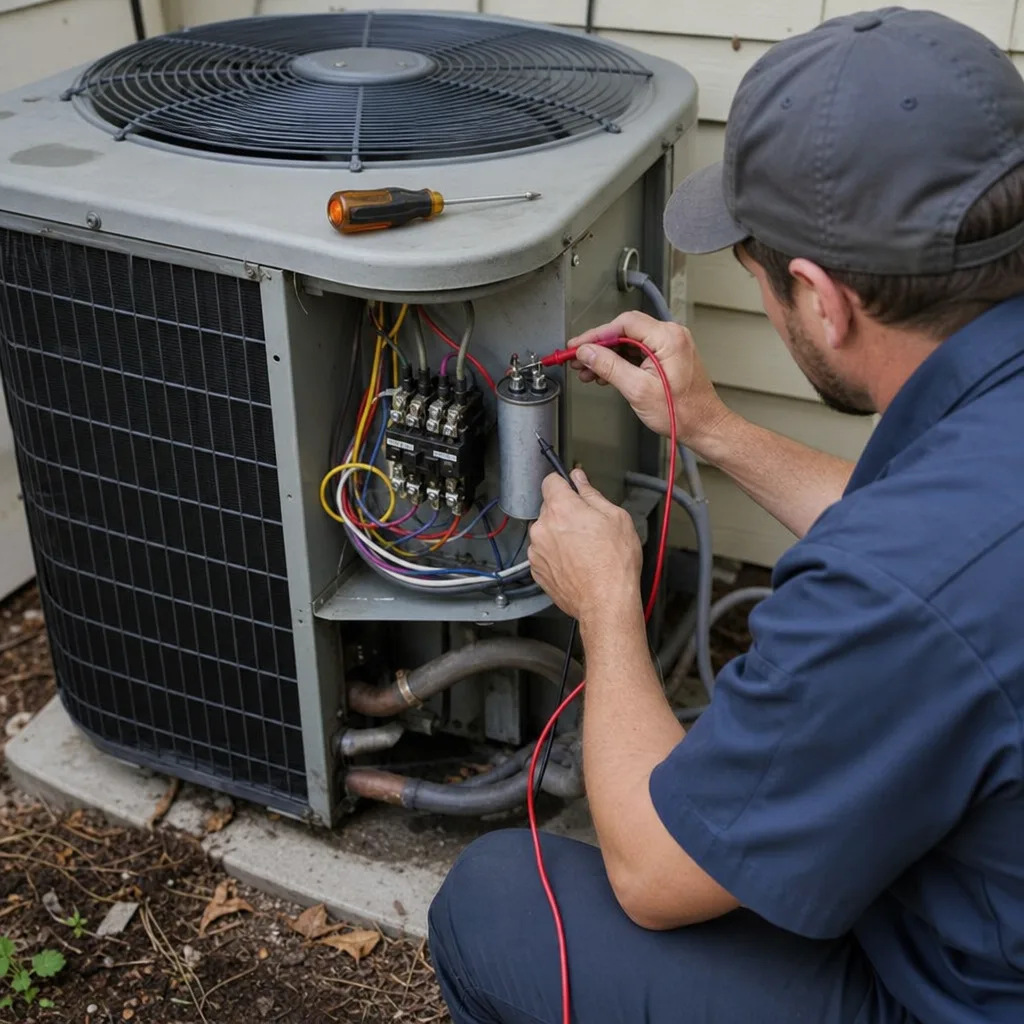
The capacitor is the part that gives your compressor and fan motor the electrical kick they need to start and keep running. In a San Antonio summer, when your Carrier unit is cycling hard from late May through September, this part takes a beating. Heat and voltage spikes are the two things that kill capacitors, and we get plenty of both.
Key takeaways:
- Installed cost ranges $150 – $320 for most Carrier residential units
- Same-day replacement is standard for us in San Antonio
- We use OEM or name-brand aftermarket capacitors rated for Texas heat
- Every job starts with a written price before we touch anything
Which Carrier Models This Applies To
Capacitor replacement applies to virtually every Carrier residential system with a single-stage compressor: the Comfort series, Performance series, and Infinity series, including common San Antonio workhorses like the 24ABC6, 24ACC6, 24ANB7, and the older 38CKC and 38BRC units still cooling plenty of homes in Alamo Heights and Terrell Hills. Heat pump models (25HBC, 25HCB) use capacitors too, and they fail just as often.
Here’s the compatibility gotcha most people don’t know: Carrier uses different capacitor microfarad (µF) ratings across their lineup. A 24ABC6 with a 2.5-ton compressor uses a 35/5 µF dual capacitor, but a 4-ton unit from the same series might need a 45/5 µF. Installing the wrong rating causes hard starts, shortened compressor life, or a motor that overheats. You can’t eyeball it. You read the label on the old part or check the unit’s data plate. The µF rating, voltage (370V or 440V), and whether it’s round or oval are the three specs that determine fit.
On the OEM versus aftermarket question: Carrier branded capacitors are fine parts, but they’re manufactured by the same suppliers that make AmRad, Titan HD, and Mars capacitors, which we install regularly. The aftermarket versions often use thicker internal films rated for higher-temperature operation, which matters here. A capacitor that survives Phoenix survives San Antonio. We’ll tell you what we’re installing, what it’s rated for, and why we chose it.
We’re an independent service provider. We’re not affiliated with Carrier, but we service and stock parts for Carrier systems daily, along with Trane and Lennox equipment.
Styles & brands we work with
Signs Your Carrier Capacitor Is Failing
- Outdoor unit hums but the fan doesn’t spin. This is the classic failed capacitor symptom. The compressor or fan motor is getting power but not the startup jolt, so it sits there buzzing. If you catch this early, you save the motor from burning out. If you let it go, the motor windings overheat and you’re looking at a much bigger repair.
- Fan spins slowly or needs a push to start. A weak capacitor means the fan motor struggles. Some homeowners literally spin the blades with a stick to kickstart the system. That works until it doesn’t, and every hard start is cooking the motor a little more.
- AC runs but blows warm air. If the fan is spinning but the compressor isn’t engaging, the capacitor section feeding the compressor has failed. The air handler inside is fine, so you feel airflow, but the unit can’t move heat out.
- Compressor short-cycles every few minutes. The compressor tries to start, the capacitor can’t hold charge, and the system’s thermal overload shuts it down. Then it tries again. This rapid cycling stresses the compressor and can turn a $200 capacitor job into a $2,000 compressor replacement if ignored.
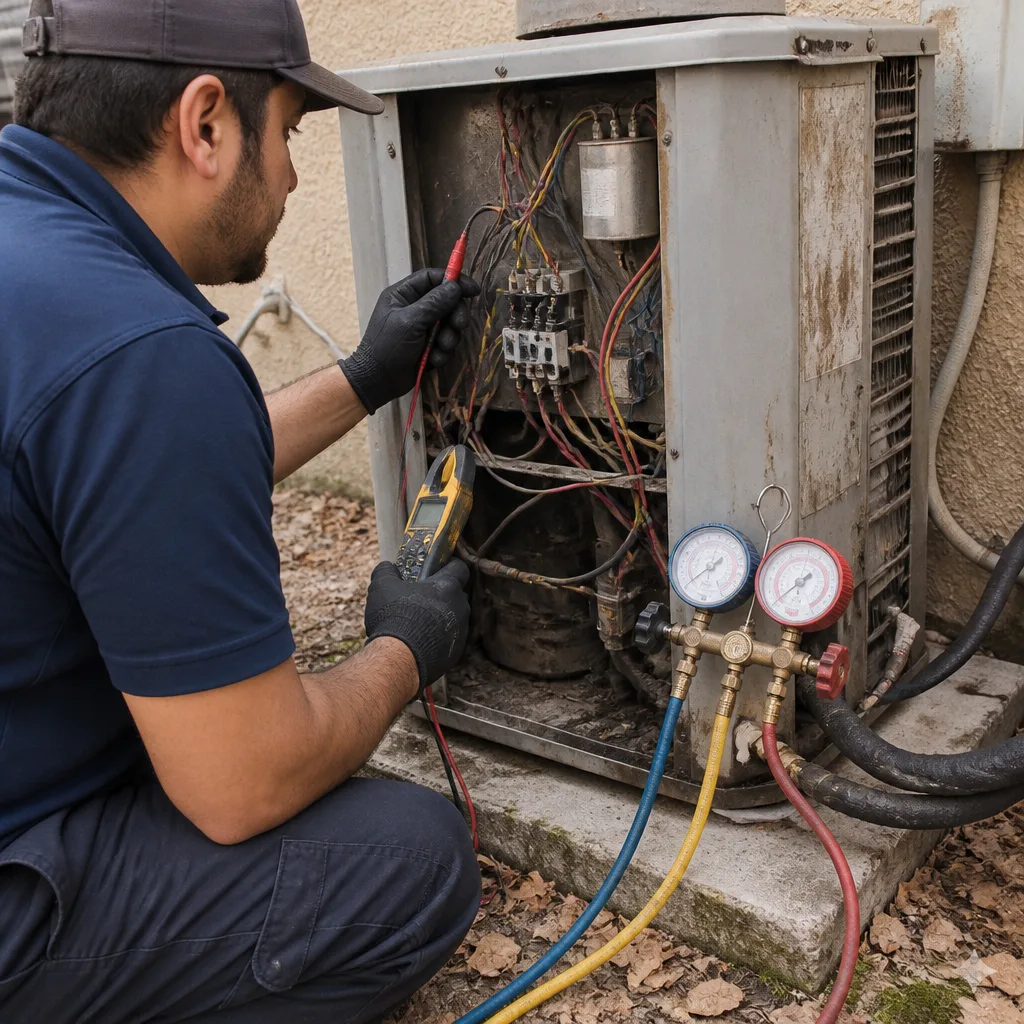
- Capacitor looks swollen, bulging, or leaking oil. Failed capacitors often deform. The top should be flat. If it’s domed or you see oil residue at the terminals, the internal dielectric has failed. This is the one visual tell you can check without touching anything.
See the difference
 Before
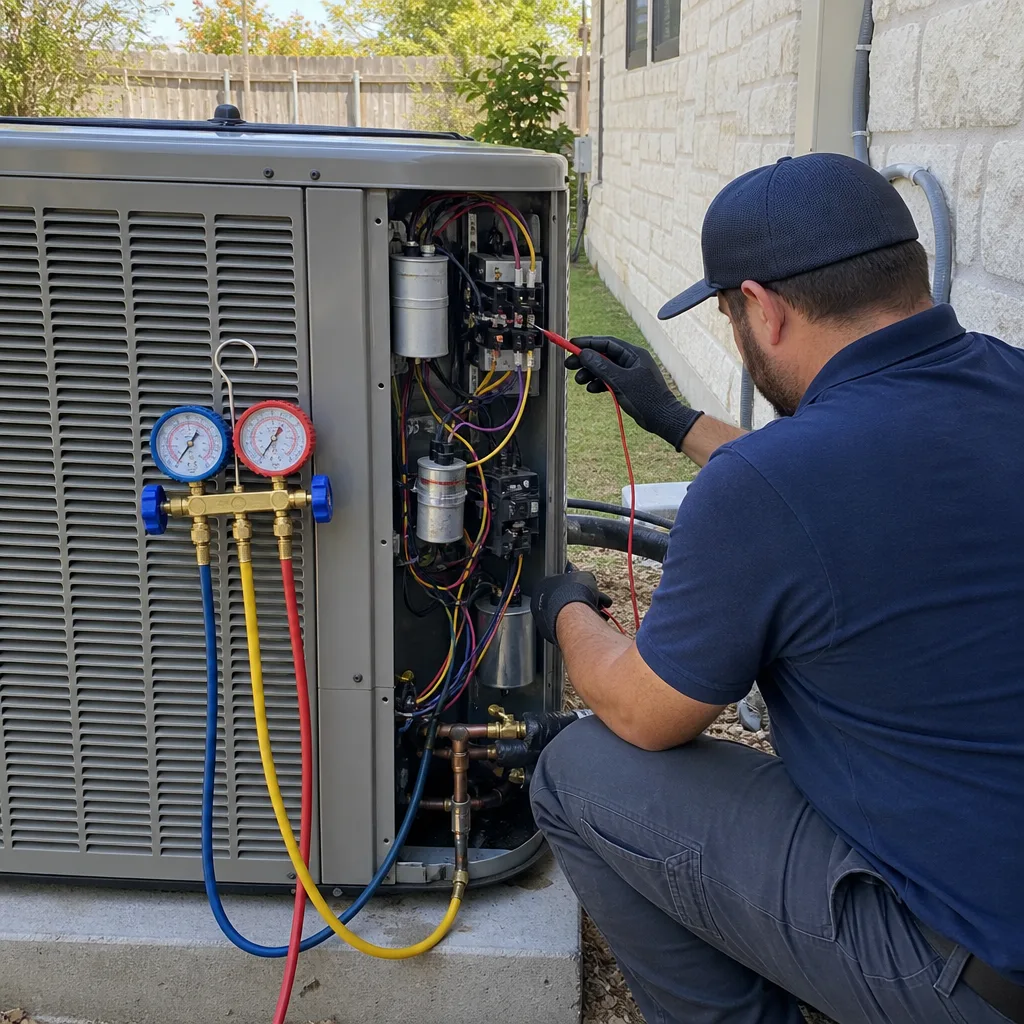 After
After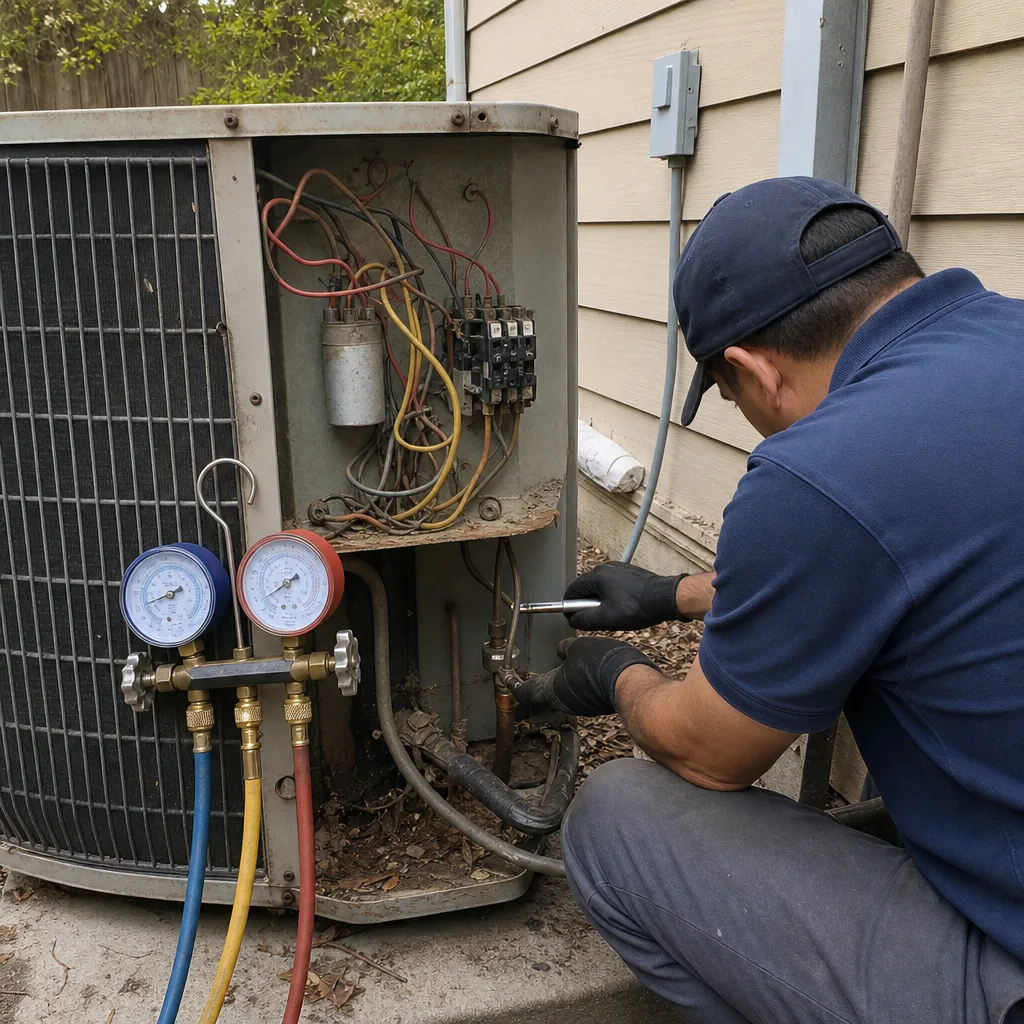 Before
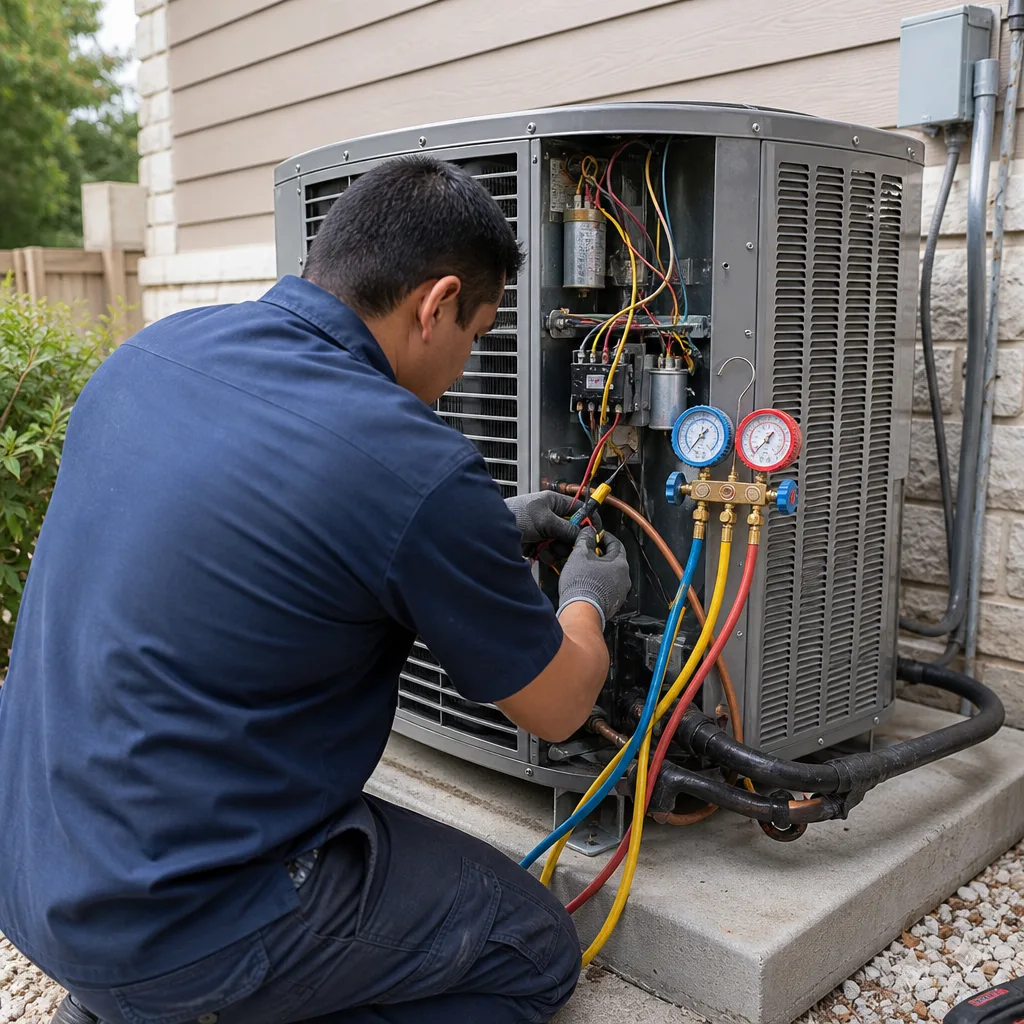 After
After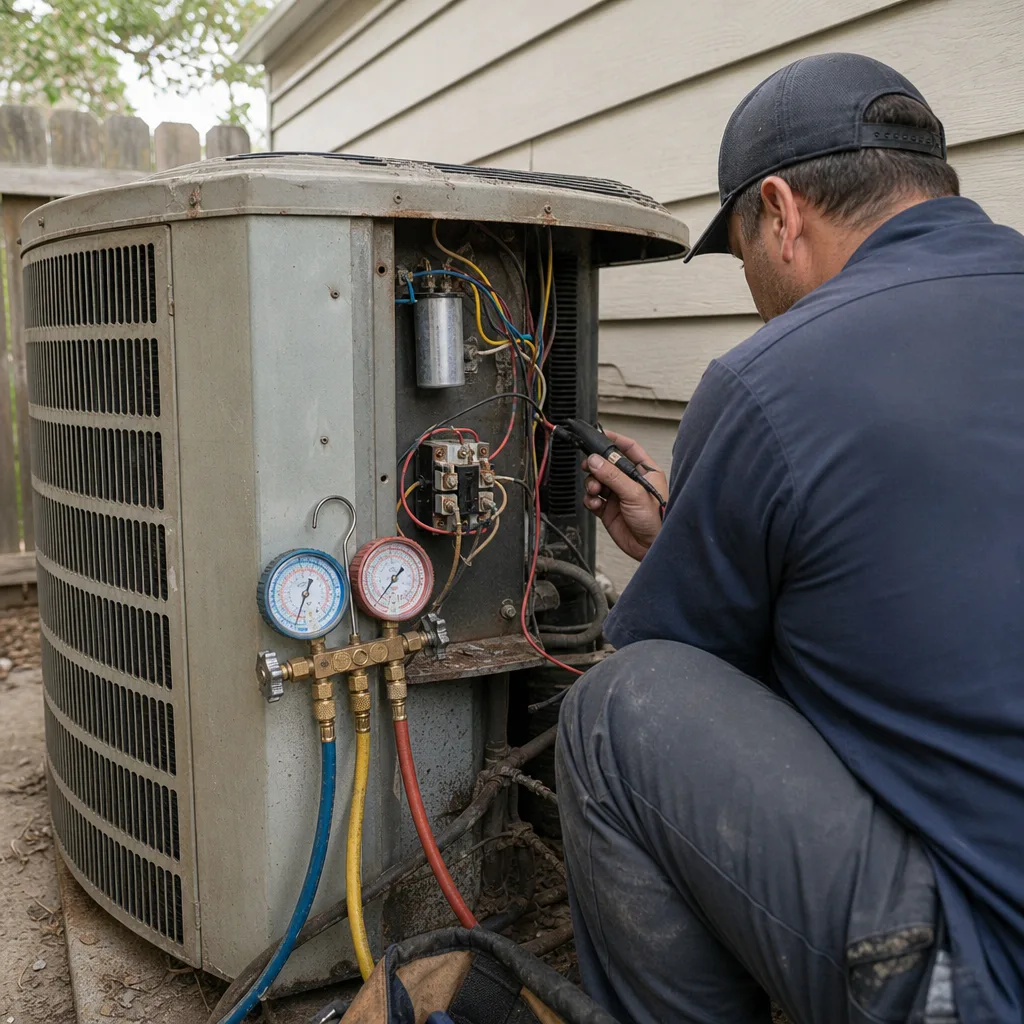 Before
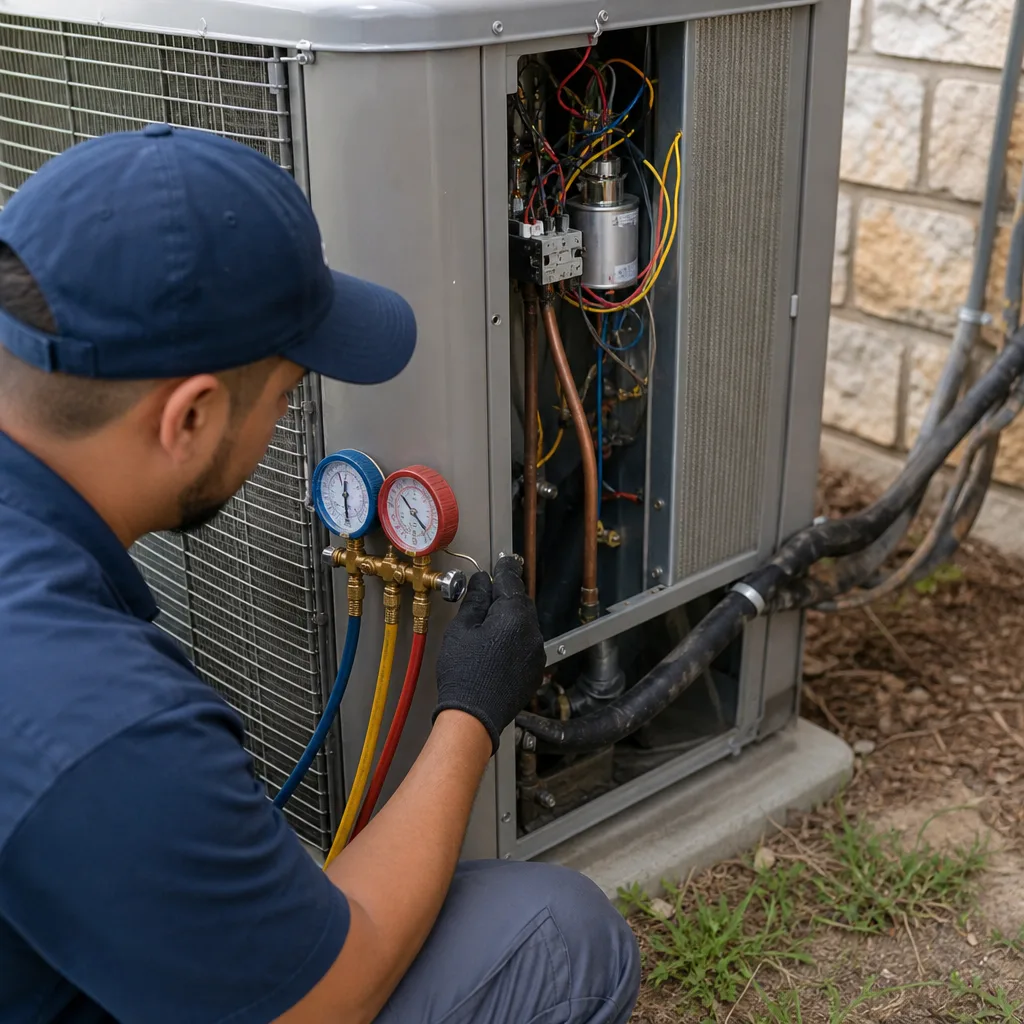 After
AfterReplacement Cost & What’s Included
In San Antonio, a Carrier capacitor replacement with parts and labor runs $150 to $320. The lower end covers most single-capacitor swaps (fan-only or compressor-only). The upper end covers dual-run capacitors on larger Infinity or Performance series units, which cost more and take slightly longer to access. Our diagnostic fee and the replacement install are included in that number, not added on top.
Every capacitor job includes: the replacement part, removal and proper disposal of the old capacitor, testing of the new part under load, and a written guarantee on the repair. We do not start any work until you’ve seen the price in writing. No surprises, no parts markup games, no “while we’re in there” add-ons you didn’t approve.
Our repair guarantee is specific: if the capacitor we install fails within 365 days, we return and replace it at no charge. That’s the 365-Day Done Right Promise, and it’s written on every invoice.
DIY or Call Us?
We’re going to be straight with you: capacitors store and discharge electricity even after power is disconnected. Touching the terminals on a charged capacitor can cause a serious shock or burn. We don’t recommend opening your condenser and poking around if you’re not trained in electrical safety. A $200 repair isn’t worth an ER visit.
What you can safely do: check your thermostat settings, confirm the breaker hasn’t tripped, and look through the condenser grille to see if the fan spins freely. That’s it. If you’ve done that and the unit still hums or clicks, call us at (361) 470-8872. Devin Marlowe will tell you what’s wrong, what it costs, and how long the fix takes. He quotes the job straight because that’s how he’d want his own house handled.
FAQs
Most Carrier capacitors last 5 to 10 years in San Antonio’s climate, but heat and power surges can shorten that significantly. We see capacitors fail at year three on units that run constantly through Texas summers. A capacitor that’s made it past eight years is on borrowed time, and if your unit is already open for a tune-up, it’s often cheaper to replace it preemptively than to pay for an emergency call later. Call (361) 470-8872 if you want us to test yours during a maintenance visit.
No. Capacitors are sealed, oil-filled components. Once the internal dielectric breaks down, there’s no practical repair. The part gets replaced with a new one rated for your Carrier’s specifications. The good news is it’s one of the least expensive parts in your system to replace.
The actual swap takes 30 to 45 minutes in most cases. We’ll have your Carrier unit running the same day. The time is in diagnosing the exact failure, confirming the correct part rating, and testing the system under load before we leave.
Yes. We keep common Carrier-compatible capacitor ratings on our trucks, including 35/5, 40/5, 45/5, and 50/5 µF dual-run capacitors in both 370V and 440V ratings. If your unit needs an uncommon spec, we can typically source it same-day from San Antonio supply houses. Call (361) 470-8872 and we’ll tell you what we’ve got before we even roll the truck.
Written by Devin Marlowe, Owner, Brandt HVAC Co San Antonio at Brandt HVAC Co San Antonio, serving San Antonio and nearby areas.