
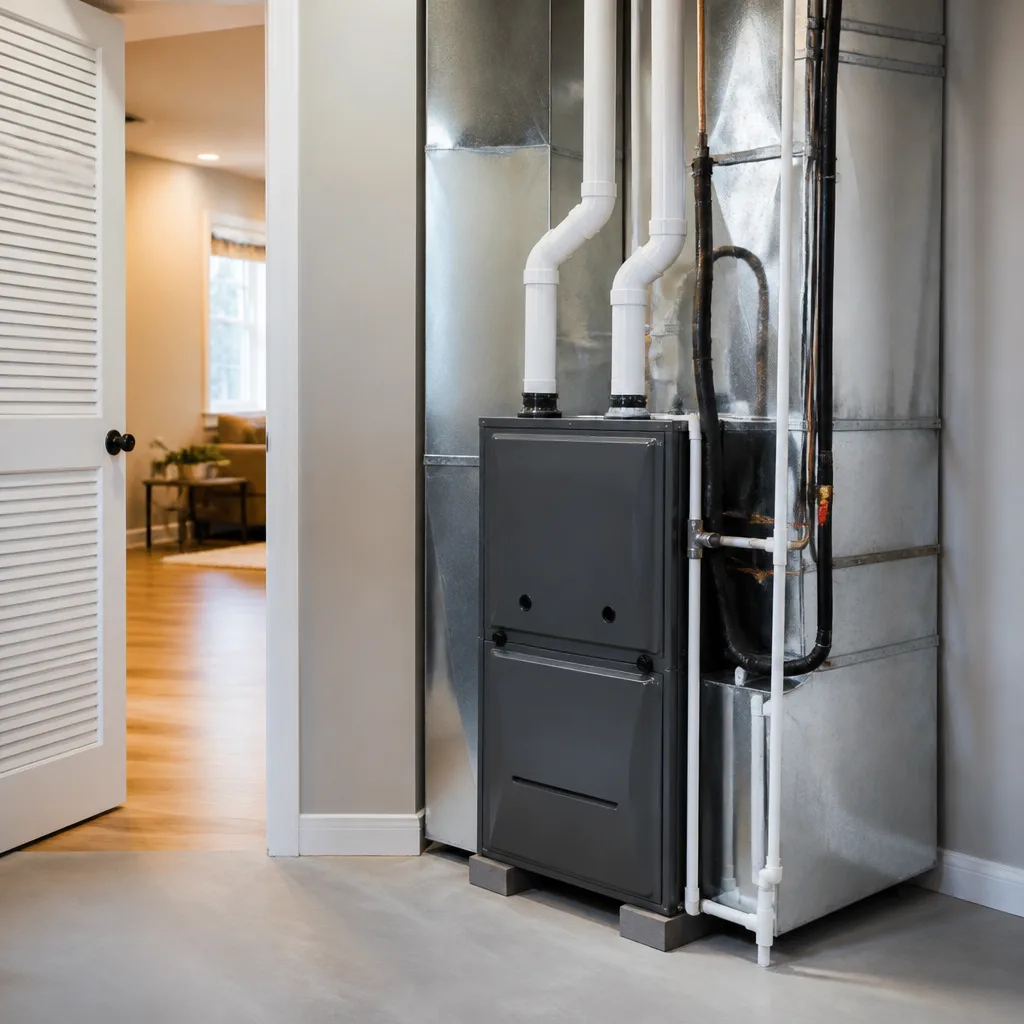
 Furnace & heating
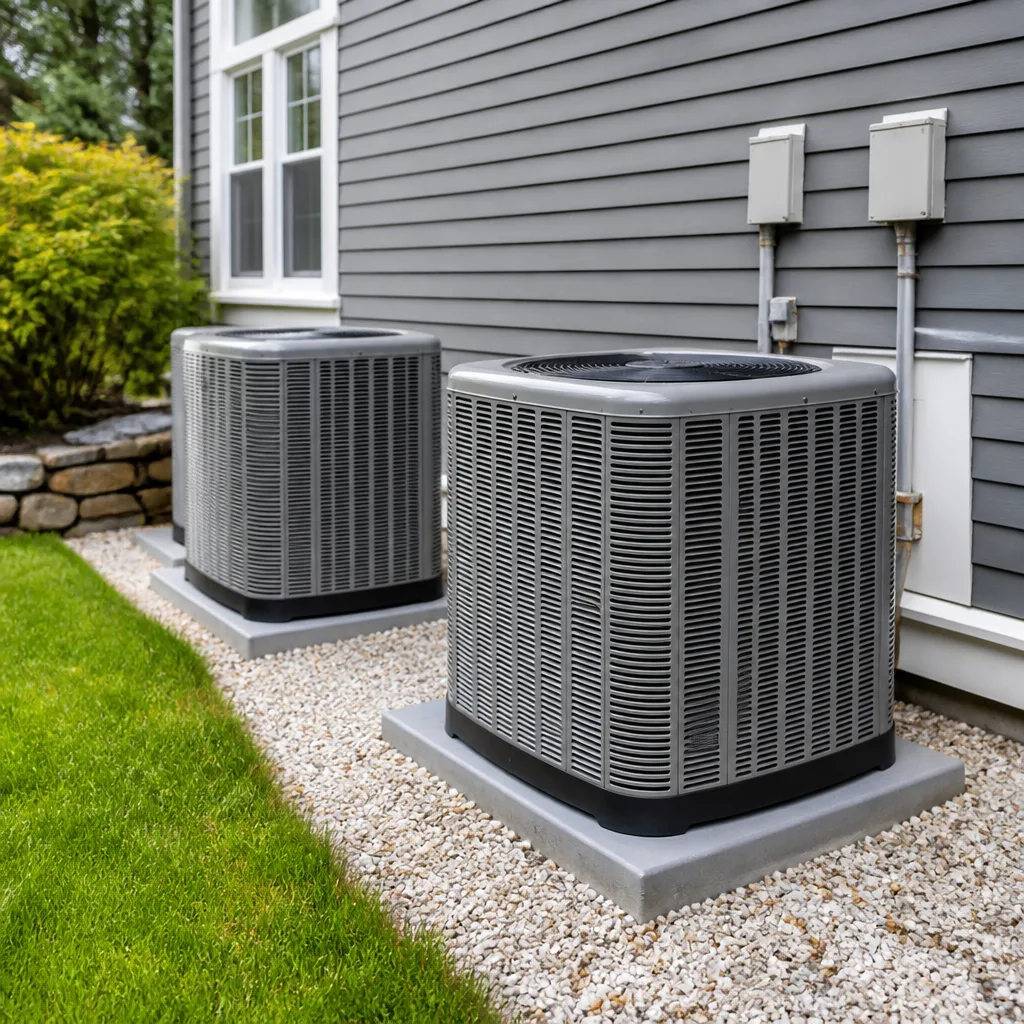 Heat pumps
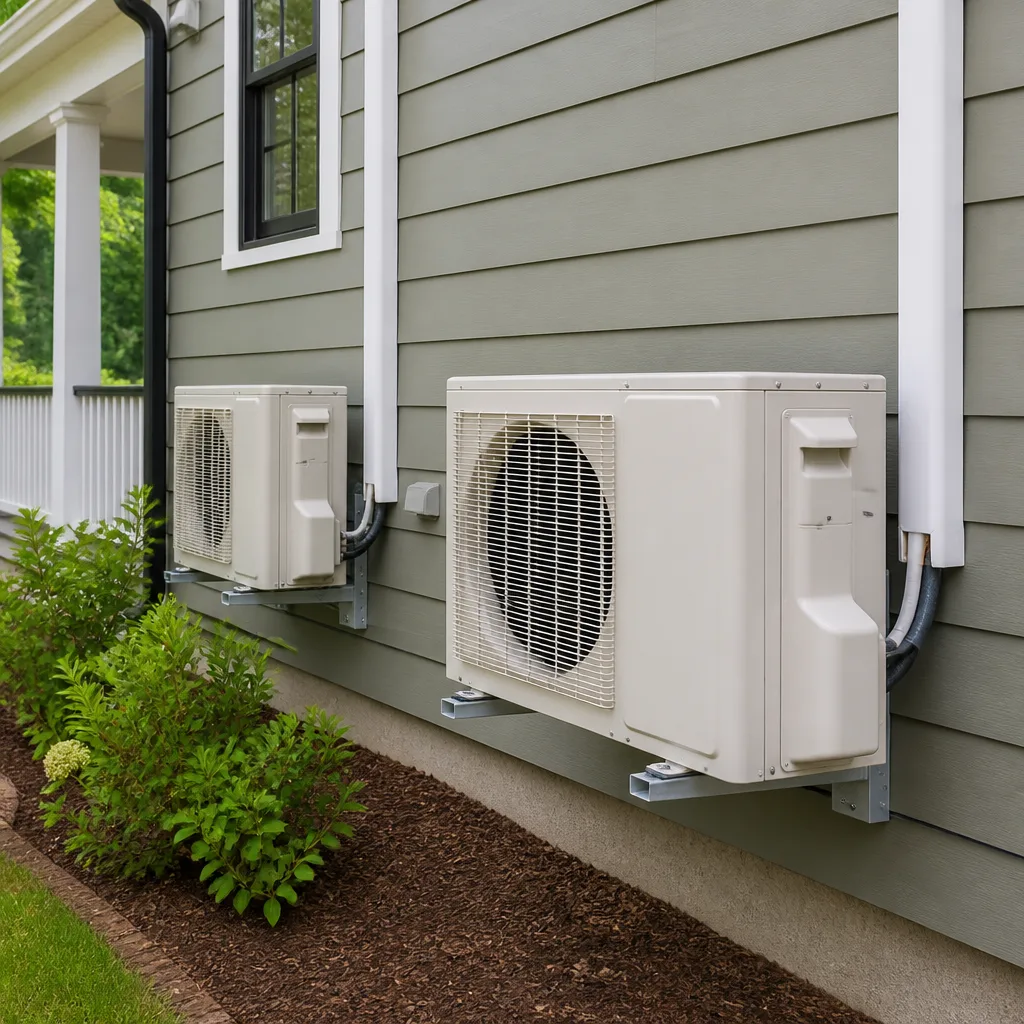 Ductless mini splits
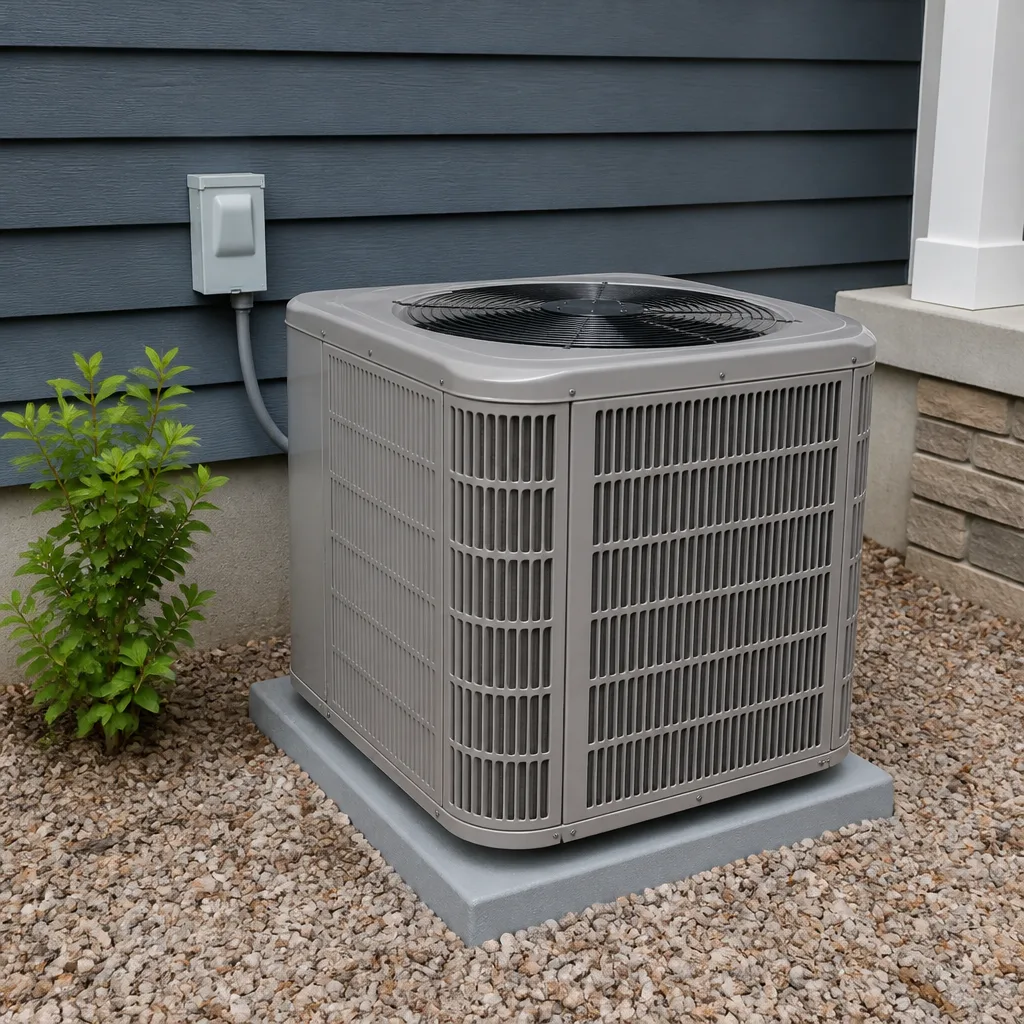 Carrier
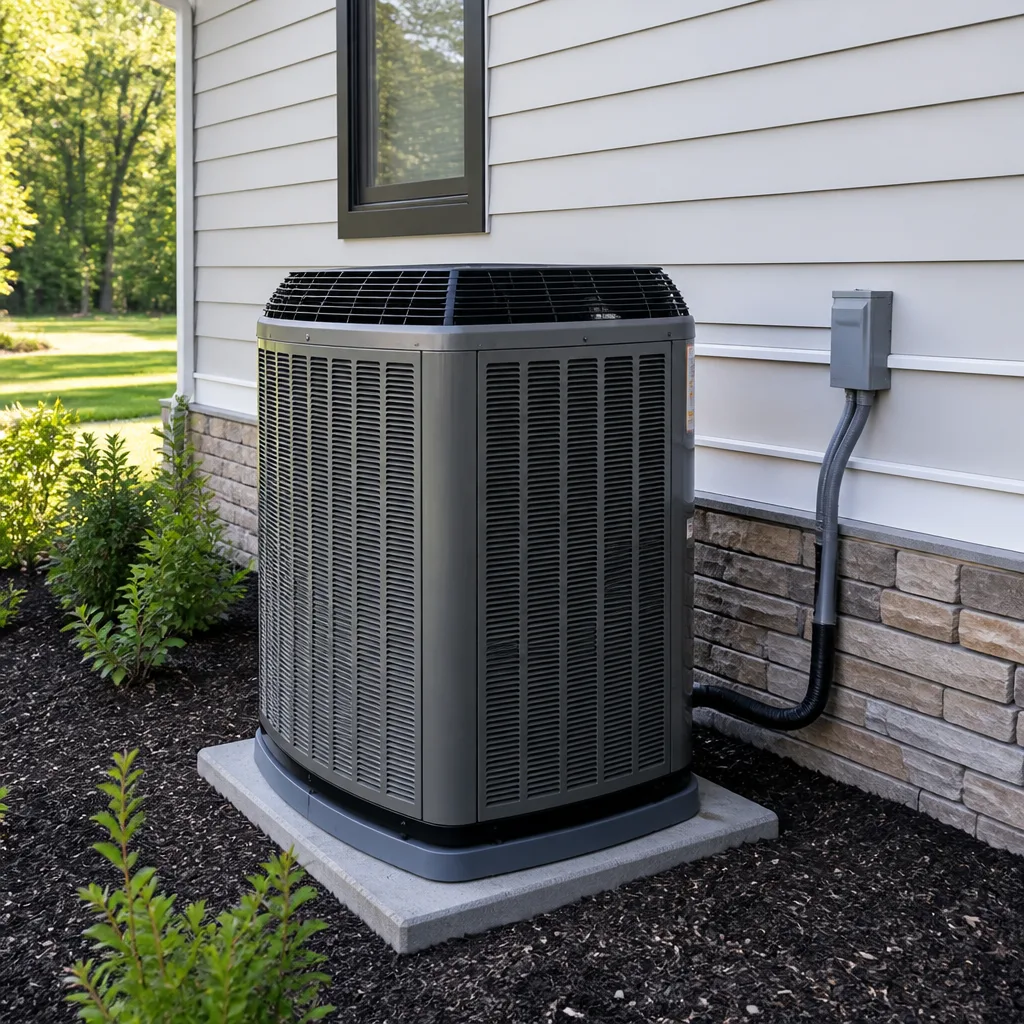 Trane
Trane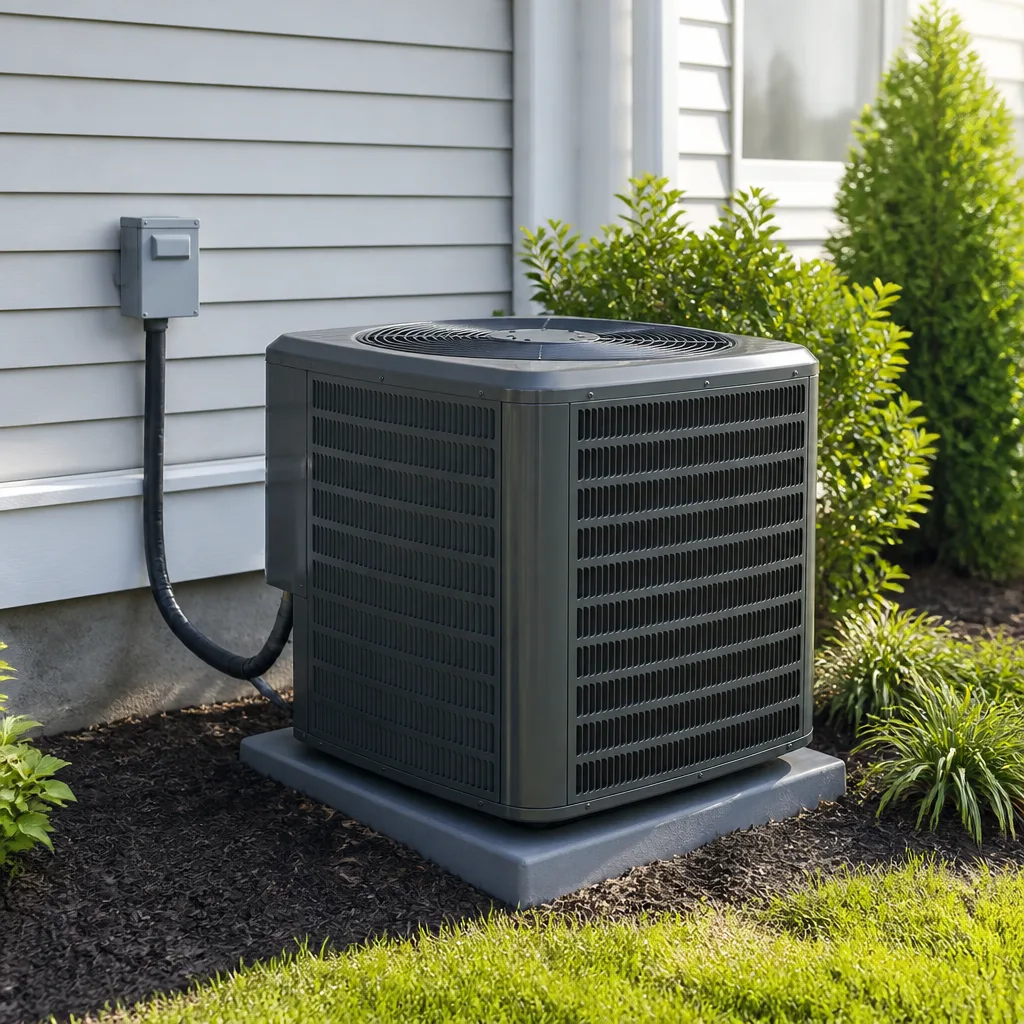 Goodman
Seasonal tune-up and full diagnostic on your Carrier, Trane, or Goodman system - readings shown to you before any repair is proposed
Diagnosis first, numbers second - you approve the repair price before a single part goes in.
Get your free estimateDaikin Capacitor Replacement: The San Antonio Owner’s Guide
We stock and install Daikin-compatible capacitors on our trucks, and most replacements in San Antonio run $150 – $350 installed, parts and labor included. If your Daikin condenser is humming but the fan won’t spin, or the compressor clicks and gives up, a failed capacitor is the most common culprit. That’s the part that gives your outdoor unit the electrical jolt it needs to actually start, and in Texas heat, when it dies, your system is done until it’s swapped.
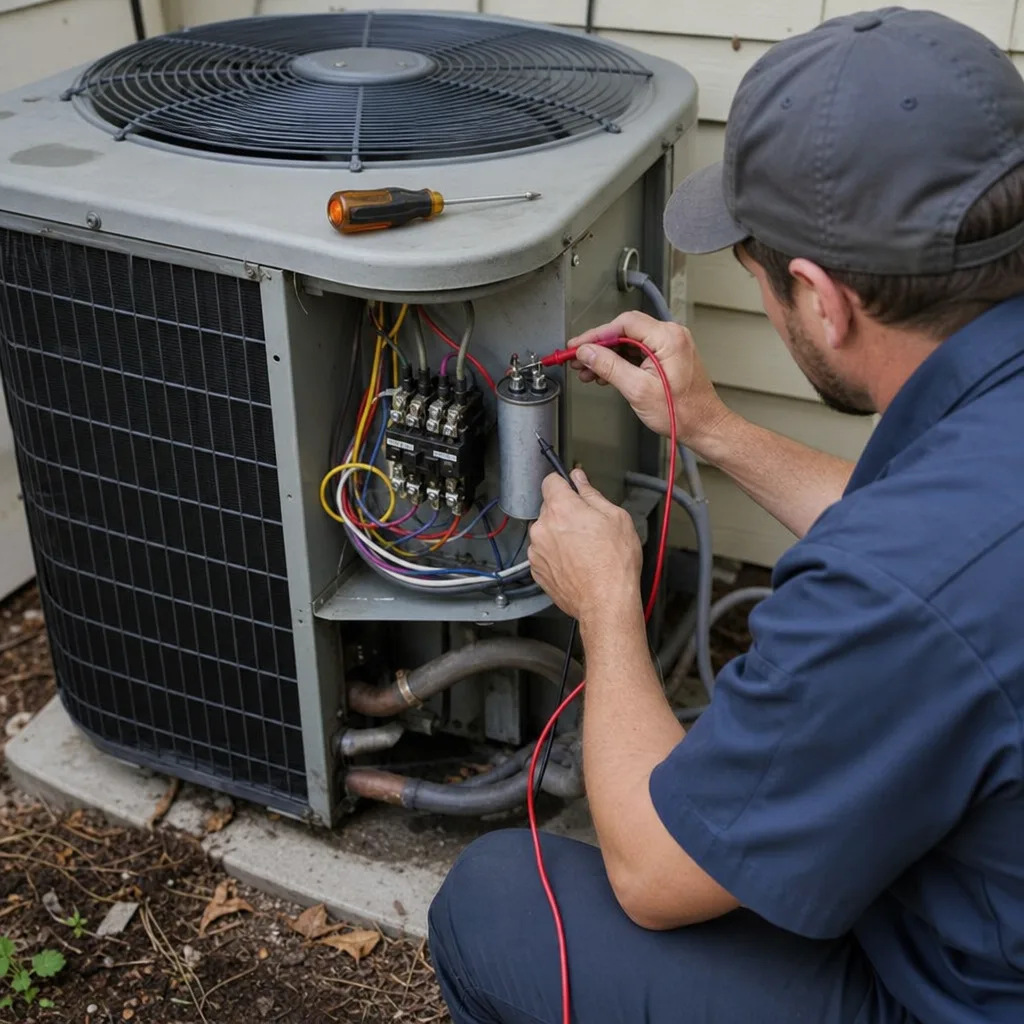
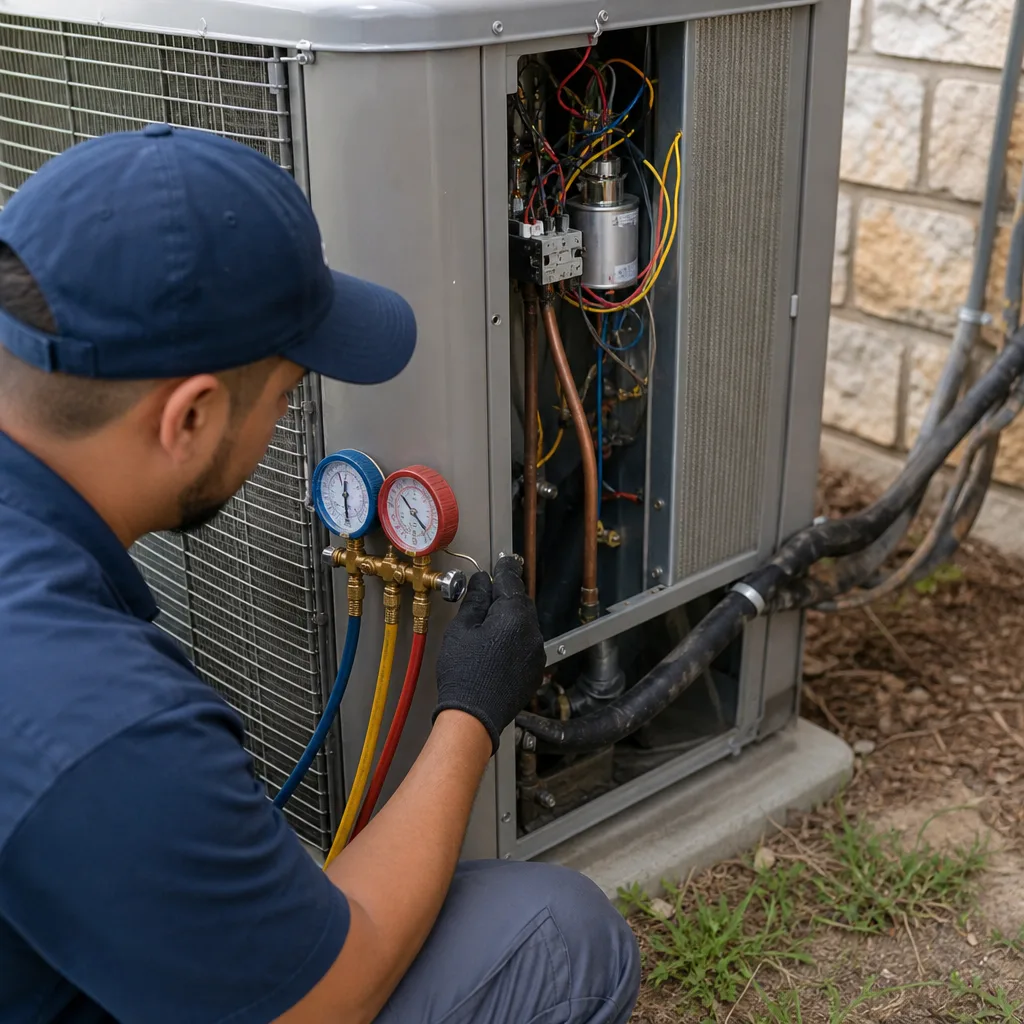
Owners usually discover this the hard way: the thermostat says 72, the house says 84, and the unit outside is making a low buzz like it’s trying but can’t get going. Sometimes you’ll see the top of the capacitor itself bulging or leaking oil when the access panel comes off. That’s the failure, and it’s a straightforward fix for a trained tech.
Which Daikin Models This Applies To
This covers the vast majority of residential Daikin split systems, including the Daikin FIT, Daikin DX series, Daikin Comfort line, and older Goodman-manufactured Daikin units (Daikin bought Goodman in 2012, so many San Antonio homes have equipment from that shared lineage). The capacitor itself is typically a dual-run capacitor, meaning it handles both the compressor and the condenser fan motor in one metal canister.
The compatibility gotcha: Daikin units ship with capacitors rated for specific microfarad (µF) values, usually 35/5, 40/5, 45/5, or 50/5, and that number must match exactly. A 45/5 will not safely run a unit designed for 35/5. The rating is printed right on the side of the old capacitor, and any tech worth their salt checks that label before touching anything. We also verify voltage tolerance, usually 370V or 440V, and never install a part with a lower voltage rating than the original.
On the OEM-vs-aftermarket question: Daikin-branded capacitors are fine, but the honest truth is that quality aftermarket capacitors from manufacturers like AmRad or Titan HD often outlast OEM parts in Texas conditions. We carry both and will tell you which makes sense for your unit. Daikin’s warranty typically covers the capacitor for one year on parts, but the labor is on you unless you have an extended plan. Brandt HVAC Co San Antonio is an independent service provider, not affiliated with Daikin.
Styles & brands we work with
Signs Your Daikin Capacitor Replacement Is Failing
- Humming with no start. You hear a low electrical hum from the outdoor unit, but the fan isn’t turning and the compressor isn’t kicking on. That’s the capacitor trying to push voltage it no longer has, and the motor is locked in a failed start.
- Fan spins slowly, then stops. A weakening capacitor can’t hold the charge needed to keep the fan motor at full speed. It’ll start, sag, and eventually stall under load.
- AC runs, then trips the breaker. As the capacitor degrades, the compressor draws more current on startup. That spike trips breakers and stresses the wiring.
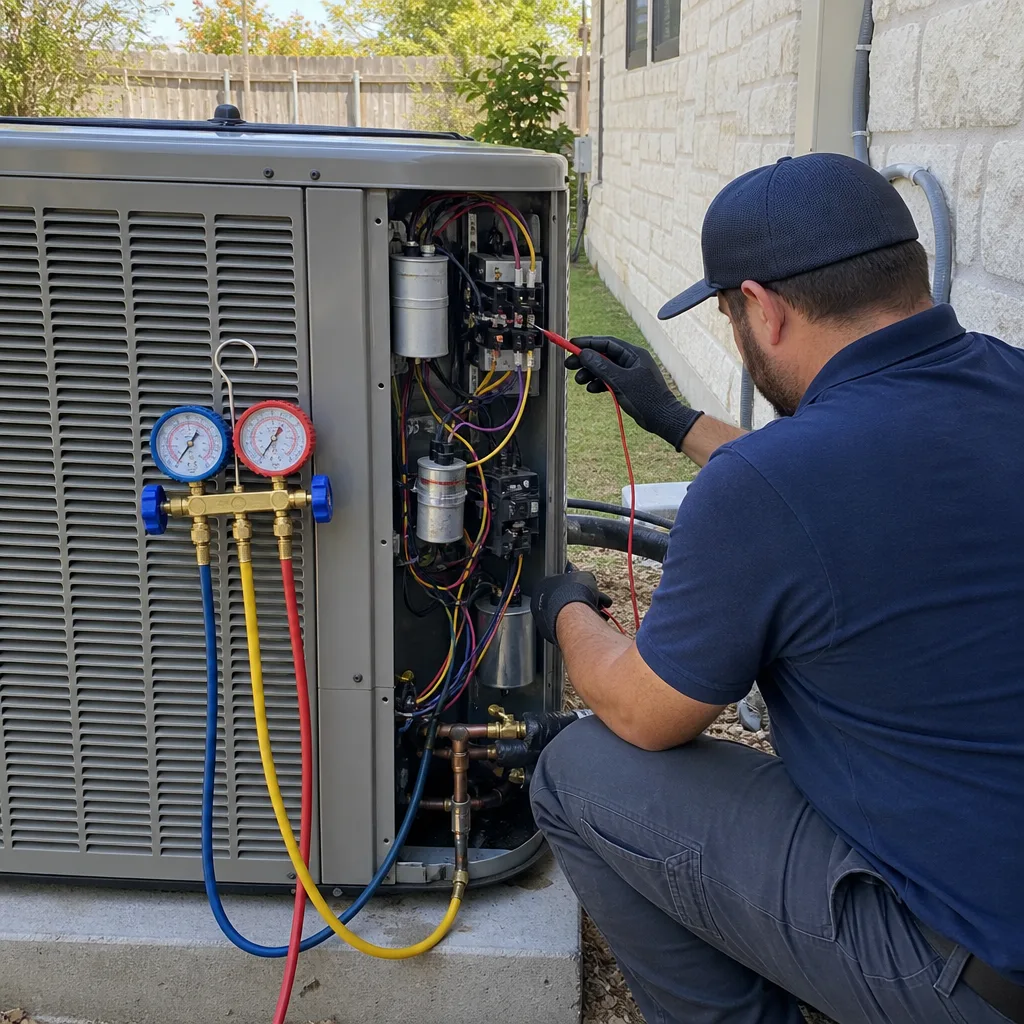
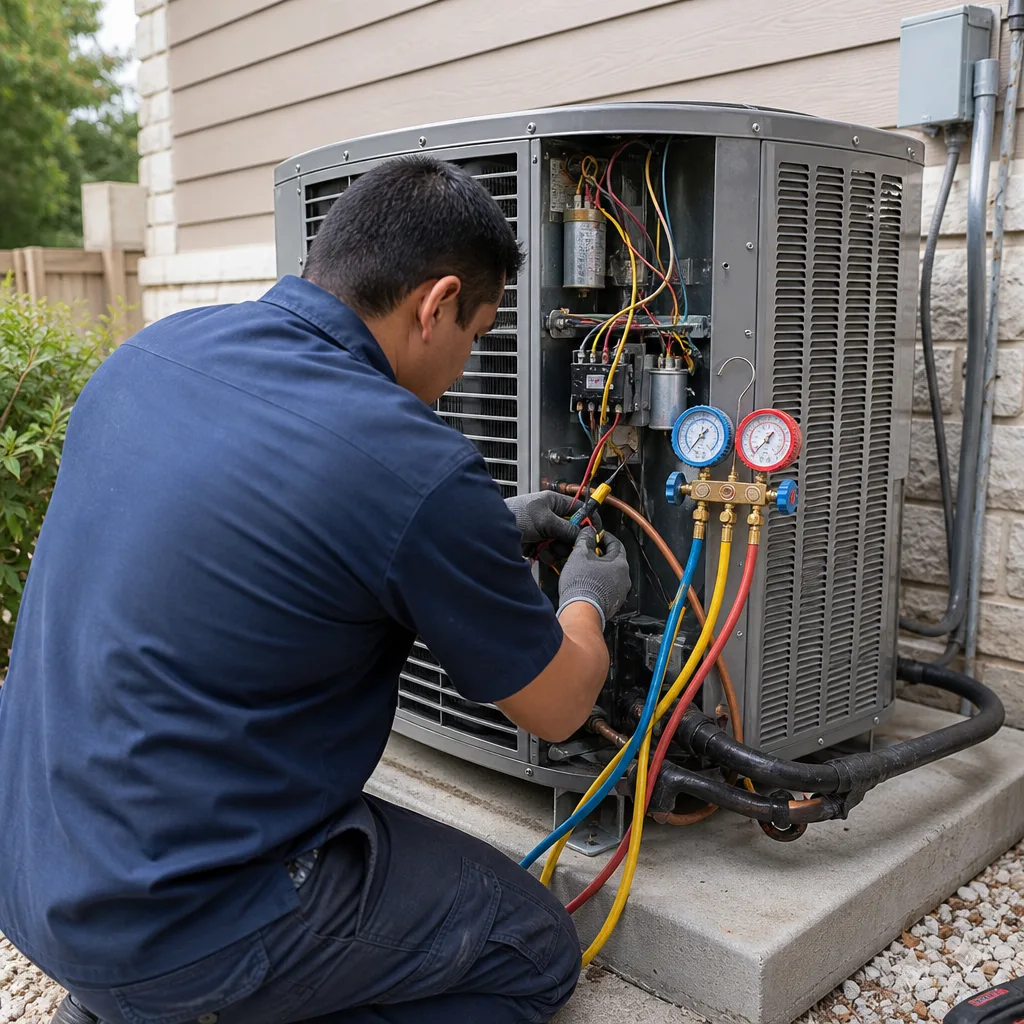
- Bulging or leaking capacitor case. If you open the service panel and the capacitor’s top is domed instead of flat, or you see an oily residue around it, the dielectric fluid inside has overheated and the part is dead. This is the clearest visual signal there is.
- Hard starting on hot afternoons. A capacitor that works in the morning but not at 4 p.m. is a classic San Antonio pattern. Heat raises electrical resistance, and a marginal part loses its start boost exactly when the load peaks.
See the difference
 Before
 After
After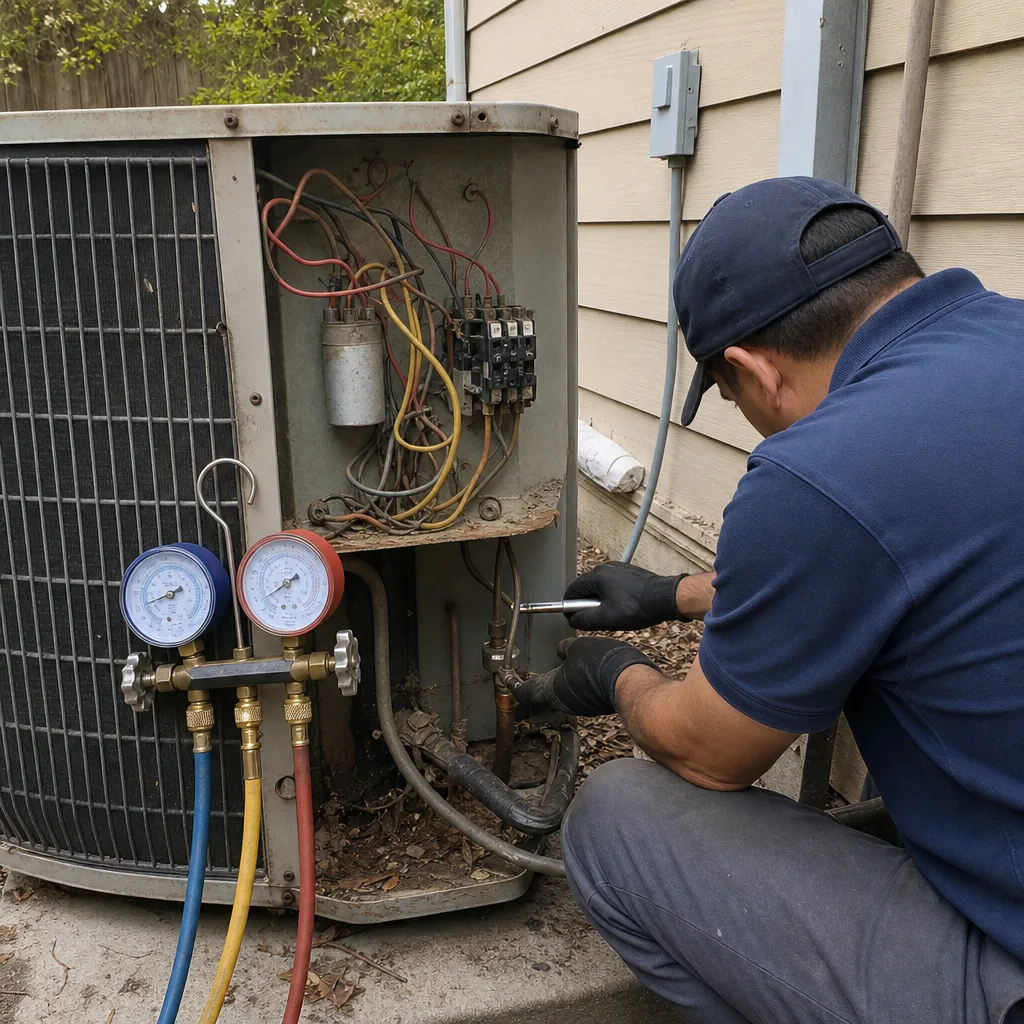 Before
 After
After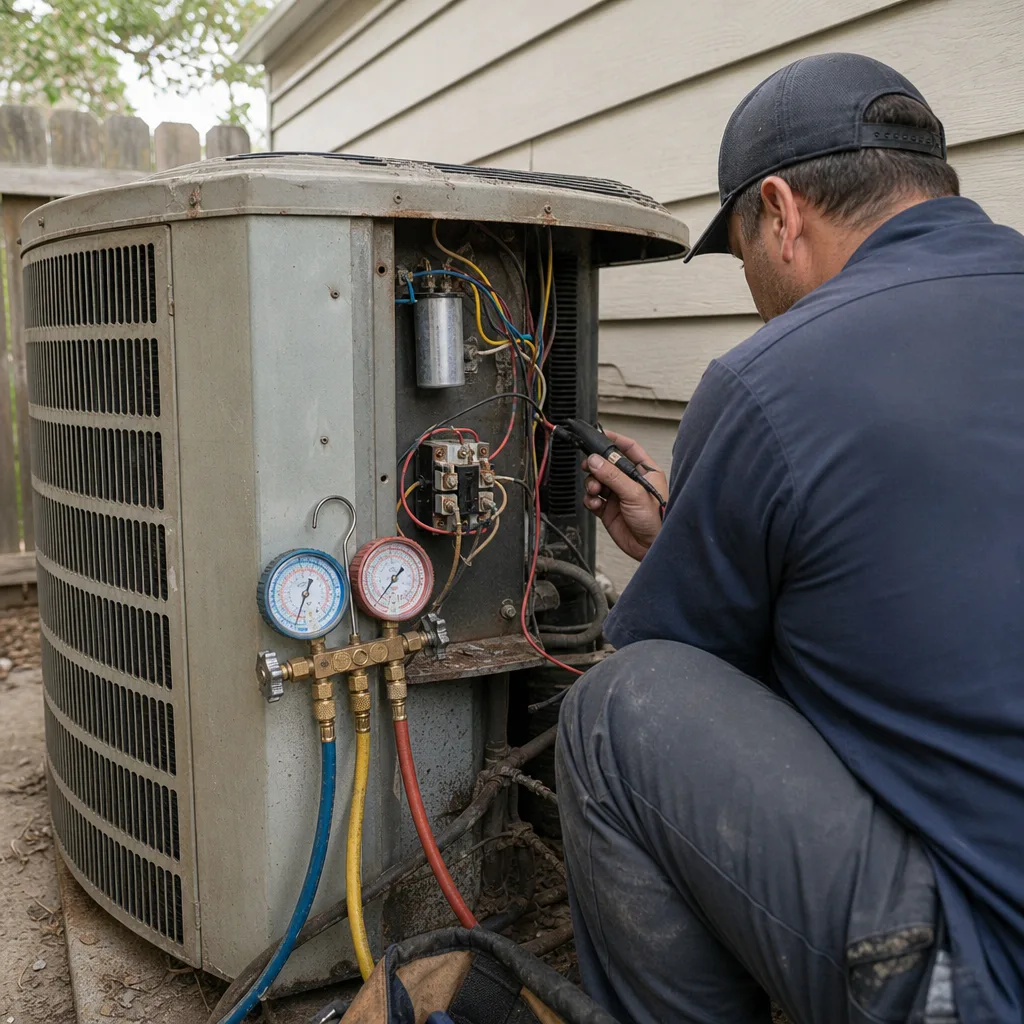 Before
 After
AfterReplacement Cost & What’s Included
In San Antonio, a Daikin capacitor replacement installed typically runs $150 – $350. Here’s what shapes that number:
- The capacitor itself: $25 – $80 for a quality dual-run capacitor, depending on brand and µF rating.
- Labor: Most of the cost. It’s a 30 – 45 minute job for a competent tech, including testing the old part, verifying the replacement, installing, and checking startup draw.
- The service call/diagnostic: If this is the first visit, the trip fee applies unless you’re on a maintenance plan.
Every quote from us is a written price before any work starts. No exceptions, no “we found something else” surprises. And the work is guaranteed under our 365-Day Done Right Promise: if the repair fails within a year, we return and make it right at no charge. Period. By the way, we also stock parts for Carrier, Trane, and Lennox systems, so if you have a mixed-brand house, we’re set up for that too.
DIY or Call Us?
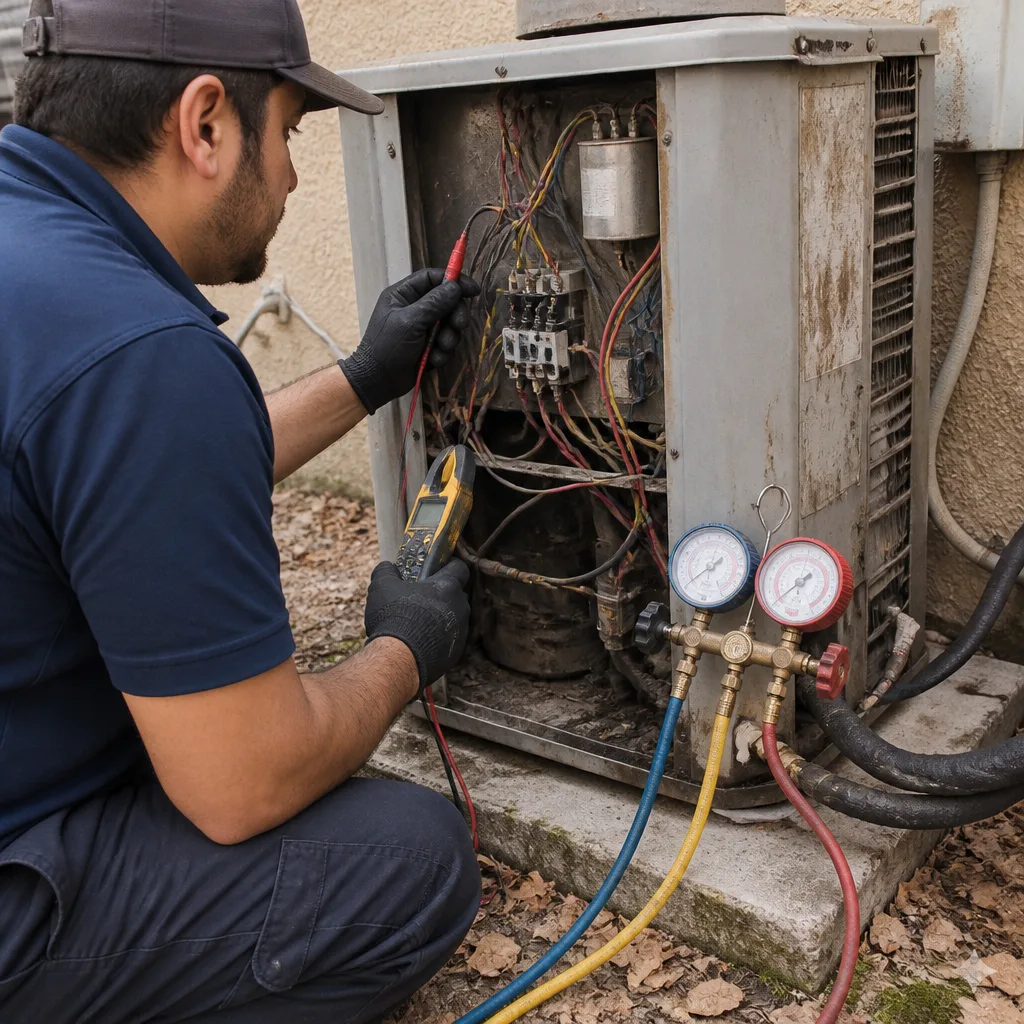
Honest answer: do not DIY this one. A capacitor stores voltage even when the unit is off, and it can discharge that voltage into whoever touches the wrong terminal. A proper tech discharges it safely, tests the old part with a multimeter, and confirms the replacement before wiring it in. Getting the µF rating wrong won’t just fail to fix the problem, it can burn out a compressor motor, and that’s a $3,500+ problem in San Antonio.
What you can safely do is check the breaker, check the thermostat, and look through the vent slats on the condenser to see if the fan is obstructed. Past that, call us. Devin Marlowe puts it this way: “Tell me what’s wrong, I’ll tell you what it costs, and we’ll get your house back to livable.” We’ll send you the tech’s name and photo before we arrive so you know exactly who’s walking up your drive.
FAQs
A Daikin capacitor typically lasts 5 – 10 years, but San Antonio’s heat shortens that on the low end. Capacitors hate sustained high temperatures, and units that run 3,000+ hours per cooling season work through them faster than the national average.
No. A capacitor is a sealed, non-serviceable component. Once the dielectric breaks down or the case bulges, it gets swapped. There is no rebuild for a $40 part, and anyone who says otherwise is wasting your money.
From arrival to a running system, 30 – 45 minutes is realistic for a straight capacitor swap. Add a little time if we’re also testing the contactor and startup components while the panel is off.
Yes. Our San Antonio trucks carry the common Daikin dual-run ratings (35/5 through 50/5, 370V and 440V). If your unit needs an uncommon rating, we can have it same-day from a local supply house in most cases. Call (361) 470-8872 and we’ll confirm what you need before we come out.
Written by Devin Marlowe, Owner, Brandt HVAC Co San Antonio at Brandt HVAC Co San Antonio, serving San Antonio and nearby areas.
If your Daikin unit is humming but not starting, or you’ve already got the panel open and can see a bulging capacitor, call (361) 470-8872 for a free estimate and a written price before we start any work.