
Last updated October 16, 2026
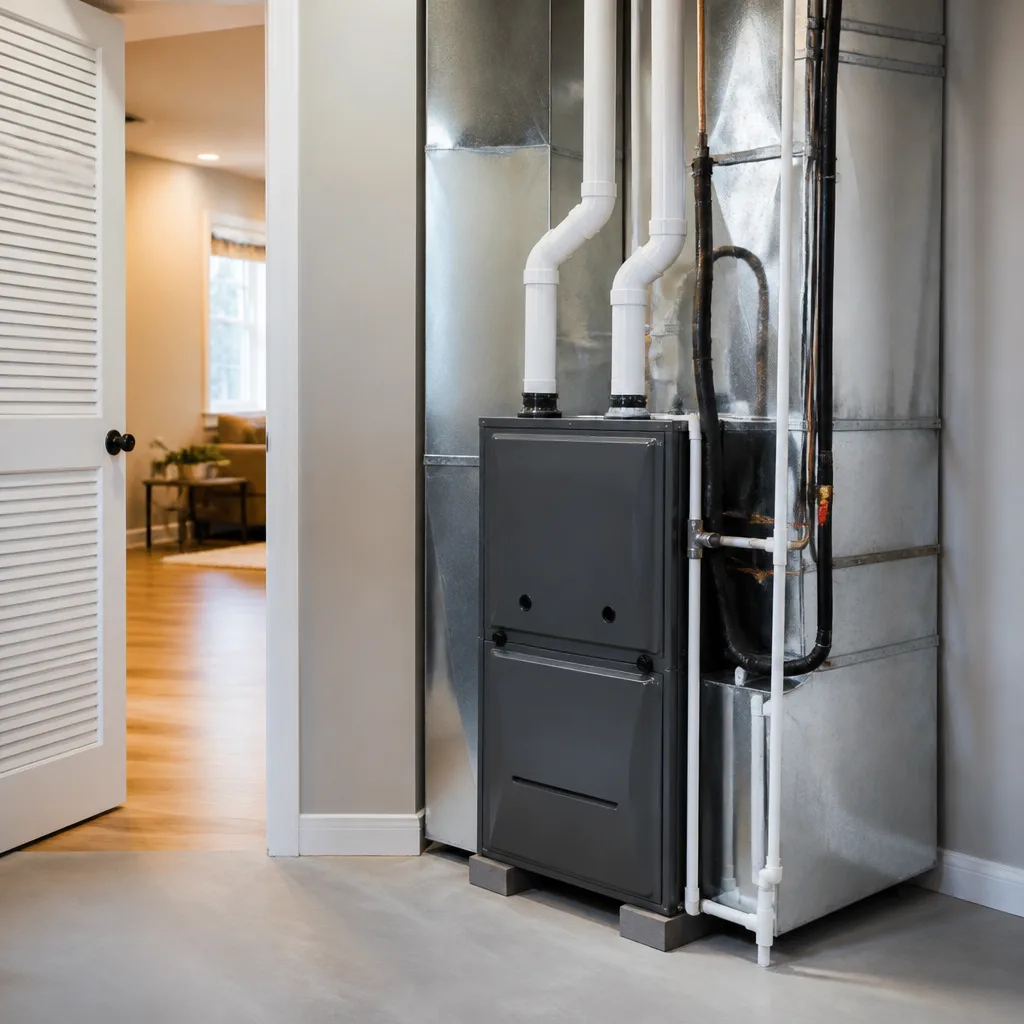 Furnace & heating
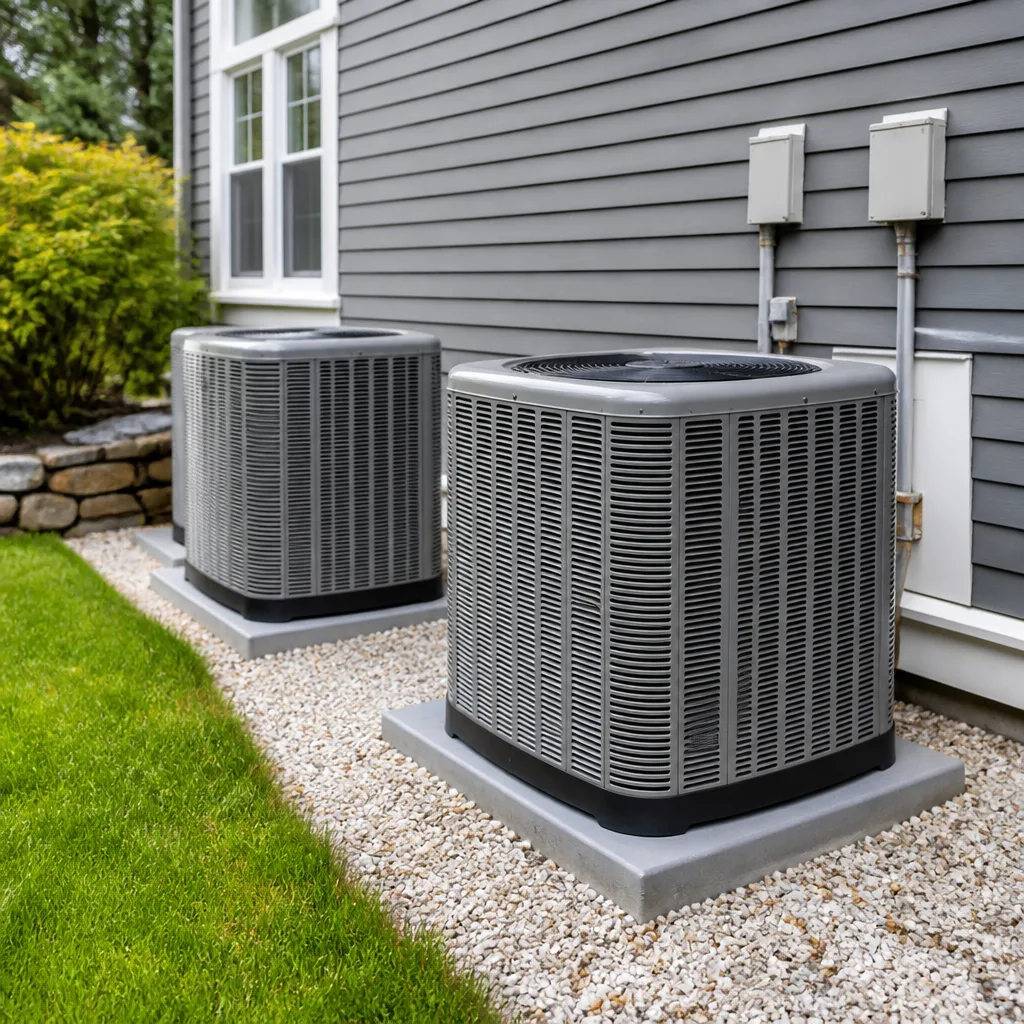 Heat pumps
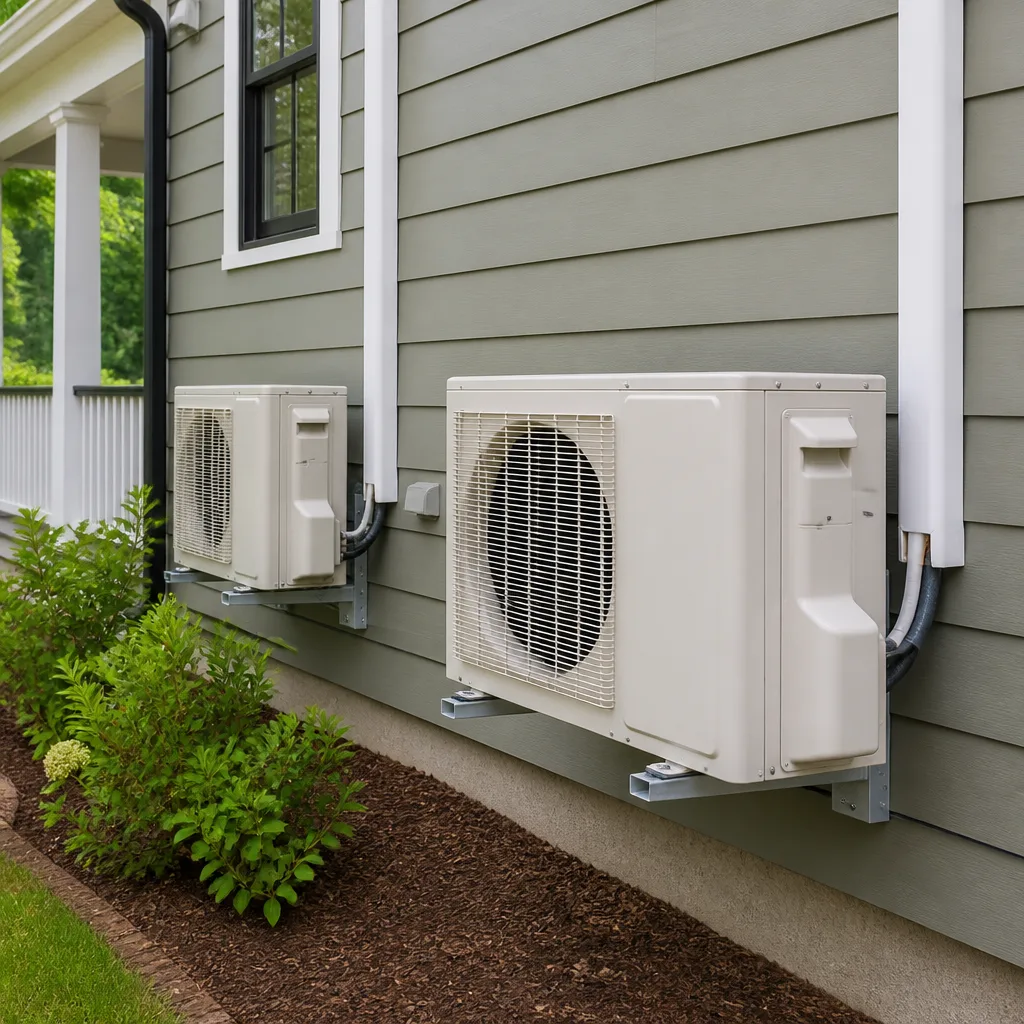 Ductless mini splits
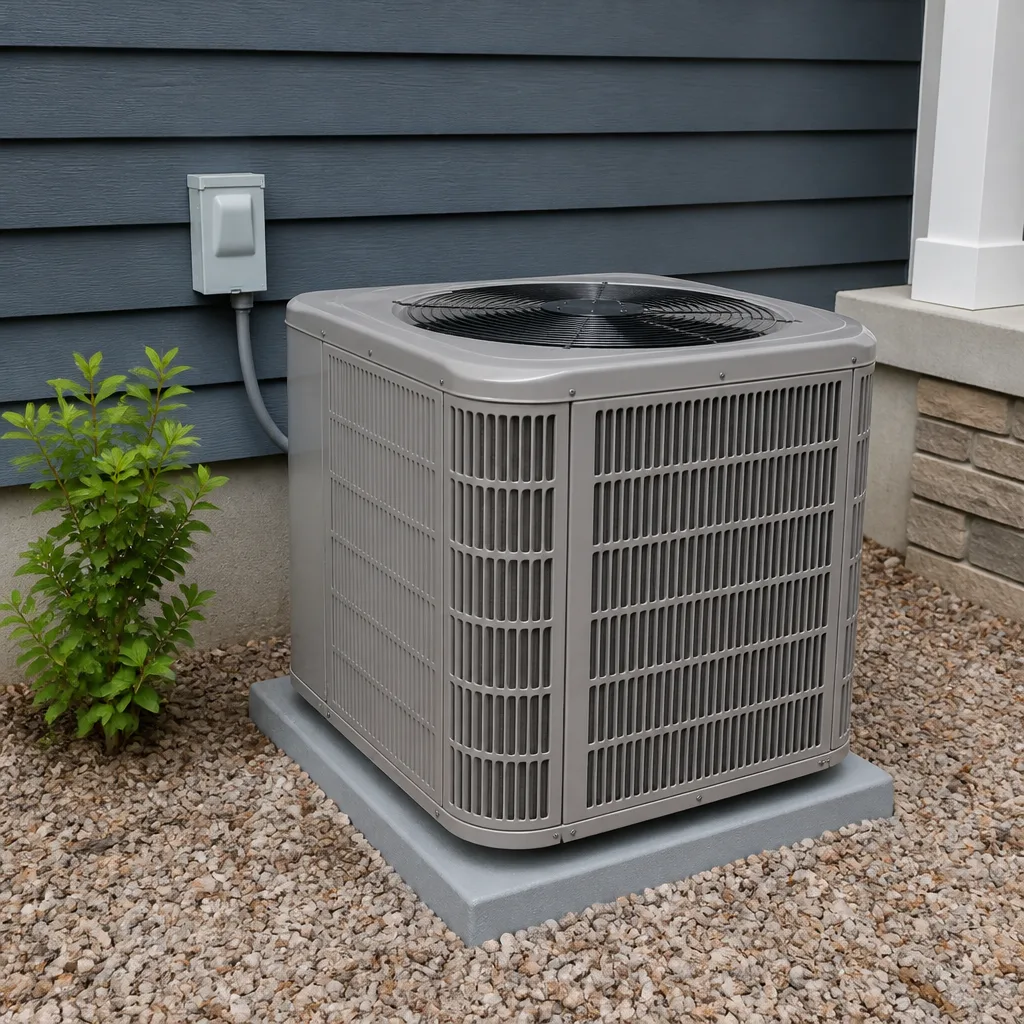 Carrier
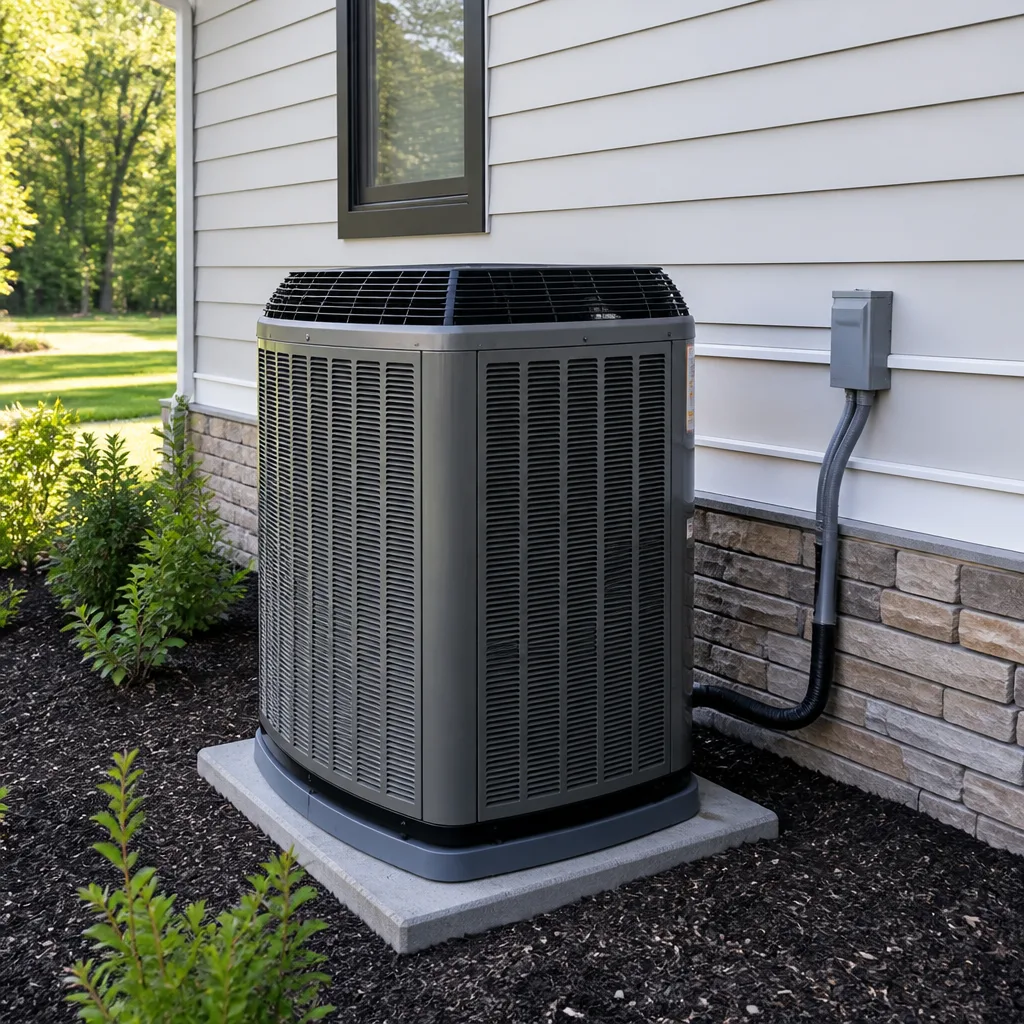 Trane
Trane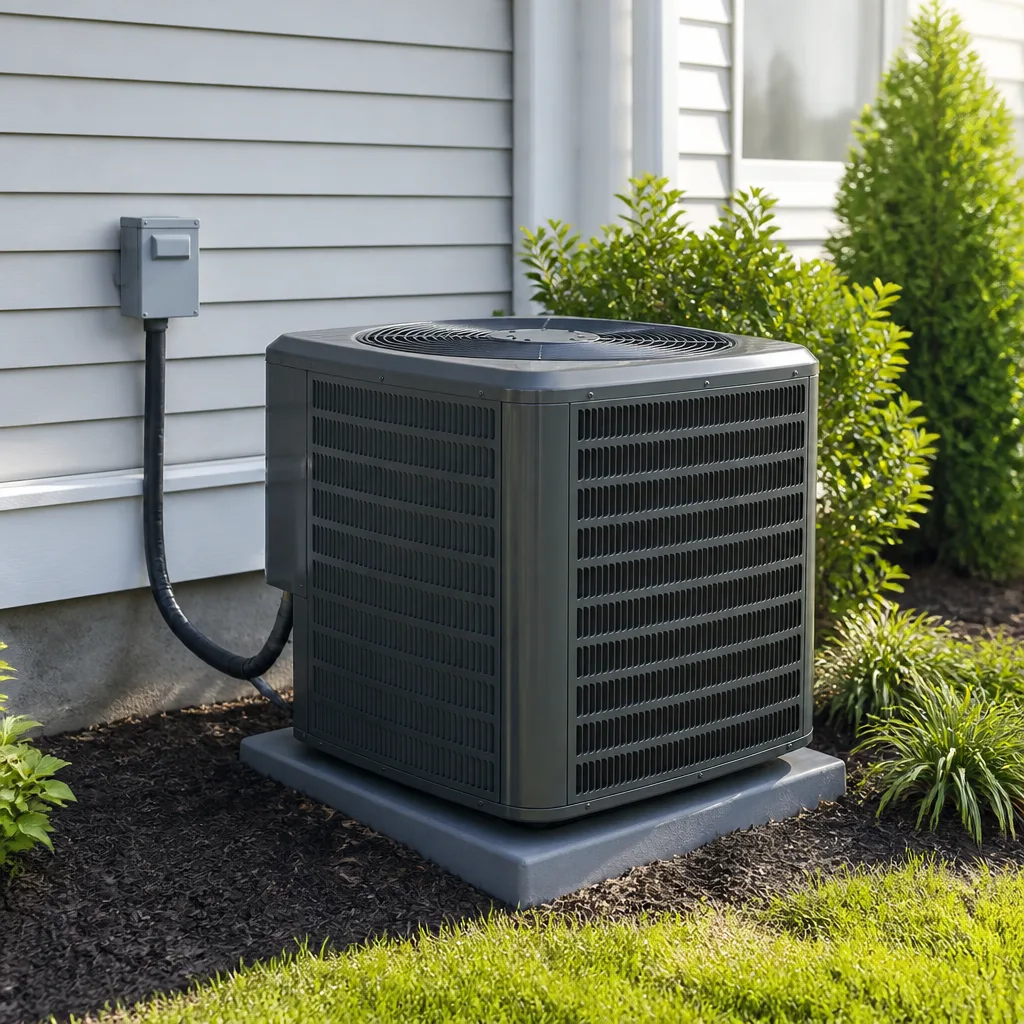 Goodman
Seasonal tune-up and full diagnostic on your Carrier, Trane, or Goodman system - readings shown to you before any repair is proposed
Diagnosis first, numbers second - you approve the repair price before a single part goes in.
Get your free estimateHVAC Warning Signs: A San Antonio Homeowner’s Reference Guide
Most HVAC warning sign lists recycle the same generic symptoms without telling you which ones mean “keep an eye on it” versus “shut the system down before something catches fire.” That’s the gap this guide fills. A system that’s short-cycling in July San Antonio heat isn’t just annoying. It can push indoor temperatures past 95°F within four hours, a genuine medical risk for elderly residents and young children. By the time you finish reading, you’ll know exactly which symptoms are nuisances, which ones need a service call this week, and which ones mean you should cut power to the unit immediately.
Styles & brands we work with
Quick Answer
The HVAC warning signs that matter most for San Antonio homeowners fall into three severity tiers: monitor it (slight temperature swings, minor dust odors, occasional condensation), schedule service within a week (short cycling, weak airflow, rising humidity indoors, intermittent banging), and shut it down now (burning plastic or electrical smells, buzzing or sizzling sounds from the unit, water pooling near electrical components, or the outdoor unit running while the indoor blower is dead). A burning electrical smell or visible sparking means cut power at the breaker and call a professional before you touch anything else.
Table of Contents
- Tier One: Monitor It – Signs That Don’t Need Immediate Action
- Tier Two: Schedule Within a Week – Symptoms of Wear and Inefficiency
- Tier Three: Shut It Down Now – Genuine Safety Hazards
- Why San Antonio Amplifies Certain Warning Signs
- The 30-Second Visual Inspection Anyone Can Do
- Reading the Sounds: Worn Part or Electrical Hazard
- What to Tell the Dispatcher When You Call
- Common Mistakes to Avoid
- When to Call a Professional
- Frequently Asked Questions
- The Bottom Line
Tier One: Monitor It – Signs That Don’t Need Immediate Action
Some HVAC symptoms look alarming but are actually normal responses to San Antonio’s climate and your home’s layout. These are conditions you can note, watch for a week, and only act on if they worsen.
Temperature differences between rooms of 2-4 degrees
A bedroom that runs three degrees warmer than the living room on a 100-degree afternoon is rarely a system failure. It’s usually a duct balance issue, a sun-exposed wall, or a room with insufficient return airflow. Homes in older San Antonio neighborhoods like Monte Vista or Jefferson often have original ductwork sized for heating loads, not the cooling loads our summers demand. Note it, close blinds on west-facing windows during peak heat, and mention it at your next AC maintenance visit. If the gap grows beyond five degrees, move it to Tier Two.
Dusty smell when the system first kicks on
That brief dusty odor when your AC starts after sitting overnight is usually dust that settled on the coil or in the ducts burning off. It should dissipate within five to ten minutes. If it lingers for thirty minutes or more, or if it returns every single cycle, you’re moving into filter or coil territory.
Condensation on the outside of windows
In San Antonio’s high-humidity months, especially May and September, exterior window condensation on hot afternoons actually means your AC is doing its job. Interior condensation between the panes is a window seal failure, not an HVAC issue. Interior condensation on the glass surface, however, paired with a system that never seems to reach setpoint, signals a dehumidification problem worth checking.
Slightly longer run times during extreme heat
When it’s 104°F outside, your system is supposed to run longer. That’s design intent, not failure. A properly sized AC in San Antonio will run nearly continuously during peak summer afternoons. The problem isn’t a long run time. The problem is a system that can’t hold setpoint no matter how long it runs, or one that short-cycles on and off every few minutes.
Tier Two: Schedule Within a Week – Symptoms of Wear and Inefficiency
These warning signs mean something is degrading. Left alone, they typically become Tier Three problems within a few weeks, often at the worst possible moment. Scheduling service within about seven days usually prevents a full failure and a more expensive repair; our AC Repair Maintenance Checklist for San Antonio Homeowners covers what to ask for.
Short cycling: the system turns on and off every few minutes
A compressor that starts, runs for three to five minutes, shuts off, and repeats is short cycling. This is one of the most commonly misdiagnosed symptoms by homeowners who assume it’s “just how it works.” It isn’t. Short cycling is usually caused by an oversized system, a refrigerant charge that’s low, or a failing capacitor. Each start cycle draws a large surge of current and generates heat in the compressor windings. Continuous short cycling shortens compressor life dramatically. In our experience, this symptom is the number one predictor of a compressor replacement within eighteen months if left unchecked. A San Antonio AC repair can diagnose the cause in under an hour.
Weak airflow from multiple vents
If one vent is weak, it’s probably a closed damper or a disconnected flex duct. If several vents are weak, you’re looking at a blower motor losing speed, a clogged evaporator coil, or collapsed ductwork. San Antonio homes with attic ductwork are especially prone to the latter because our attics routinely hit 140°F in August, degrading flex duct insulation and sometimes causing the inner liner to separate. Weak airflow forces the system to run longer to hit setpoint, increasing energy costs and accelerating wear. Expect a diagnostic visit to cost between $89 and $129 at most San Antonio companies, including ours.
Indoor humidity creeping up during cooling cycles
Your AC’s second job, after cooling, is dehumidification. In San Antonio, where summer dew points regularly exceed 70°F, a system that’s cooling but not dehumidifying is only doing half its job. If your thermostat reads 74°F but the air feels sticky, or if you’ve started running a standalone dehumidifier, something is off. Common causes include an oversized system that cools too fast to pull moisture, a coil that’s partially frozen from low refrigerant, or a drain pan that’s holding water and re-evaporating it into the air stream. Persistent indoor humidity above 60 percent in a cooled home is a Tier Two symptom that feeds mold growth, dust mite populations, and general discomfort.
Intermittent banging or knocking on startup
Ductwork pops and pings as metal expands and contracts. That’s normal. A single loud bang when the blower starts is often a duct section flexing under pressure. Also normal. But a repeating banging or knocking sound that happens every few cycles, or that’s coming from the outdoor unit rather than the ducts, suggests a loose compressor mount or a failing blower wheel bearing. If the sound is regular and rhythmic, schedule service. If it’s accompanied by the unit shaking visibly, move it to Tier Three.
Energy bills climbing without a rate change or usage increase
Compare your current CPS Energy bill to the same month last year, not the month before. San Antonio’s shoulder seasons make month-to-month comparisons misleading. A 20 percent or greater year-over-year increase, with similar thermostat habits, means your system is working harder than it should. The usual culprits: a refrigerant charge that’s drifted down by 10 to 15 percent, a condenser coil caked with cottonwood and construction dust, or a failing run capacitor forcing the compressor to draw more current. These are all correctable at maintenance-tier pricing if caught early.
Tier Three: Shut It Down Now – Genuine Safety Hazards
These warning signs are not scheduling items. They’re immediate action items. In each case, turn the system off at the thermostat first, then at the breaker if the problem is electrical. Then call someone.
Burning plastic or acrid electrical smell
This is the one warning sign that should override every other consideration. A burning plastic smell from an HVAC system typically means insulation on a motor winding, capacitor, or wire is overheating and melting. It can progress to an electrical fire inside the air handler or outdoor unit. Shut the system down at the thermostat and at the breaker. Do not run it again until a technician has inspected it. This is not the time for a wait-and-see approach. Capacitors and contactors can be replaced relatively affordably. A fire in your air handler closet is a different conversation entirely.
Buzzing or sizzling sounds from the outdoor unit
A hum is normal. A buzz that continues for more than a few seconds after startup, or a sizzling sound like bacon in a pan, is electrical arcing. The contactor in the outdoor unit carries 240 volts and opens and closes thousands of times per season. When its contacts wear down, they arc. That sizzling sound is the arc. It generates heat, pits the contacts further, and eventually welds them closed, which can send continuous power to the compressor even when the thermostat says off. Cut the breaker and call for service.
Outdoor unit running while indoor blower is dead
If the outdoor condenser is spinning and humming but no air is moving through your vents, the compressor is running without the evaporator coil receiving airflow. This drives the evaporator temperature down rapidly, freezes the coil into a solid block of ice, and can send liquid refrigerant back to the compressor, which destroys it. This is called slugging, and it’s one of the most expensive failures a homeowner can trigger by ignoring the symptom. Turn everything off. A frozen coil can take 24 hours to thaw fully before a technician can even begin diagnosis.
Water pooling around the indoor air handler near electrical components
A slow drip into a drain pan is normal if the drain line is doing its job. Water that’s overflowing the pan and reaching the floor, especially near the air handler’s electrical cabinet, is a shock hazard and a mold trigger. San Antonio’s summer humidity means condensate production is massive, sometimes three to five gallons per day on peak days. If the drain line is clogged with algae, which grows aggressively in our warm climate, the pan overflows. Shut the system down, clean up what you can safely reach, and call for service. Left alone, a clogged condensate line often damages drywall, flooring, and the blower motor below the coil.
Visible sparking anywhere on or near the system
This one is self-evident. Cut power at the breaker. Step away from the unit. Do not attempt to diagnose it yourself. Electrical component failure at the voltage levels an HVAC system carries is a job for a trained technician with a meter and the right protective gear.
Why San Antonio Amplifies Certain Warning Signs
Every climate has its own fingerprint on HVAC failures. Phoenix kills capacitors. Houston rots drain pans. San Antonio’s combination of extreme sustained heat, high humidity, and long cooling seasons creates a distinct failure profile that generic “HVAC warning signs” articles written for a national audience simply miss.
Humidity spikes that indicate coil freeze
When a San Antonio AC starts freezing its evaporator coil, the first thing most homeowners notice isn’t the ice. It’s the humidity. A frozen coil can’t remove moisture from the air, so the house starts feeling muggy even though the thermostat number hasn’t changed. This is a distinctly San Antonio symptom because our summer indoor humidity loads are so high that the absence of dehumidification is immediately noticeable. In drier climates, a frozen coil might present as weak airflow first. Here, it presents as a sudden sticky feeling. If your AC is running but the air feels clammy and stale, check the coil area for frost or check your outdoor unit for a line that’s sweating abnormally. This is a Tier Two symptom with a Tier Three potential cost if the freeze reaches the compressor.
Burning smells intensified by high run times
A motor that smells hot for ten minutes in a mild climate might smell hot for three hours in San Antonio because the system runs that much longer. The longer run times don’t just reveal problems sooner. They can accelerate a marginal component directly into failure. A blower motor with bearings on the way out will overheat faster, cycle on its thermal overload repeatedly, and eventually seize. The smell is the same here as anywhere else. The urgency is higher because our systems don’t get meaningful afternoon breaks from June through September. If you smell burning and it’s coming from the vents, shut the system off and treat it as a Tier Three event until proven otherwise by a technician.
Thermostat lag during peak heat
San Antonio’s afternoon heat arrives quickly and stays for hours. A thermostat that reads 74°F but feels like 80°F, or a thermostat that takes three hours to drop two degrees between 3pm and 6pm, is showing you something. It’s usually a combination of an undersized system for the current heat load, degraded performance from a dirty coil, and the reality that your home’s thermal envelope is absorbing heat faster than the AC can remove it. This lag is often dismissed as “it’s just really hot outside.” That’s partially true. But a system in good condition that’s properly sized should still cycle normally and hold setpoint, even at 105°F. Persistent lag is a signal to have the system’s capacity checked against its rated output.
Cottonwood and oak pollen seasons hitting condenser coils
San Antonio’s spring brings a double hit: cottonwood from the creek lines and live oak pollen from the city’s massive oak canopy. Both are notorious condenser coil cloggers. A coil that’s 30 percent blocked by debris runs higher head pressures, draws more current, and shortens compressor life. The warning sign isn’t a sound or a smell. It’s the timing. If your system started struggling in April or May, and the outdoor coil hasn’t been cleaned this year, there’s a good chance the coil is doing the complaining. Visual inspection takes thirty seconds and tells you a lot.
The 30-Second Visual Inspection Anyone Can Do
Before you call anyone for any HVAC issue, do a thirty-second visual check. It won’t fix anything, but it will tell you what tier you’re in and what to tell the dispatcher. It can also rule out the most common causes that don’t require a technician at all.
Step 1: Check the thermostat (5 seconds). Is it on “cool” or “auto”? Is the setpoint actually below the room temperature? Is the fan set to “auto” rather than “on”? A surprising number of “my AC isn’t working” calls are resolved by discovering the thermostat was bumped, the batteries died, or a child changed the mode. If the display is blank, find the instruction manual and replace the batteries before calling anyone. San Antonio homes with original thermostats from brands like Honeywell or Emerson often just need two AA batteries.
Step 2: Check the filter (5 seconds). If the filter looks like a carpet square, the system is suffocating. A clogged filter blocks airflow, freezes the coil, and triggers exactly the Tier Two symptoms described above. Change it. Then run the system and see if symptoms improve. This single step resolves a significant percentage of “weak airflow” and “short cycling” service calls before a technician ever arrives. Buy filters in bulk at any San Antonio hardware store. A MERV 8 pleated filter is more than adequate for most homes.
Step 3: Check the outdoor unit visually (10 seconds). Walk around the condenser. Is it running? Is the fan spinning? Is the top clear of debris? Is the side caked with cottonwood, grass clippings, or dog hair? A coil clogged on one side of a Goodman or Rheem unit is often visible from ten feet away. Note whether the fan is spinning at a healthy speed and whether the air blowing from the top feels warm. Warm air from the top means it’s moving heat. That’s what it’s supposed to do. No airflow from the top means the fan motor or the capacitor has failed.
Step 4: Check the condensate drain line (10 seconds). Most San Antonio homes have a white PVC pipe near the indoor air handler, often in a closet, attic, or garage. Is there water dripping or standing near it? Water in the drain pan is normal under AC operation. Water spilling over the pan or staining the platform is not. If you see water damage on the ceiling below an attic unit, your drain line has been clogged for a while. There may be a safety float switch that has shut the system off to protect your ceiling. If you see water, note it precisely for the dispatcher.
This visual sequence costs you thirty seconds and gives you real information. It separates “I need a technician” from “I need a battery,” and it helps the person on the phone route you correctly.
Reading the Sounds: Worn Part or Electrical Hazard
Your HVAC system speaks in sounds, and the difference between a mechanical complaint and an electrical hazard is usually audible. Here’s how to translate the most common noises into something actionable.
Mechanical sounds: worn parts, not immediate hazards
- A rhythmic squeal that changes pitch with the blower speed is usually a blower motor bearing drying out or a belt slipping on older systems. It’s a worn part. Schedule within a week, not an emergency.
- A rattling sound from the outdoor unit is often a loose fan blade, a stick that fell through the grille, or a failing fan motor bearing. Check for the stick first. If it’s a blade, shut it down and schedule service.
- A thumping or knocking that’s irregular and seems to come from the compressor can indicate a worn internal mount or a compressor that’s developing mechanical wear. It’s not dangerous today, but it’s a sign that the compressor is moving toward the end of its life. Have it evaluated.
- A whining sound from the indoor unit that starts when the system starts often comes from the blower motor’s capacitor or the motor itself struggling for torque. It’s a wear item, not a shock hazard, but it left alone, the motor typically fails within weeks.
Electrical sounds: stop and shut it down
- A buzzing that continues for more than three seconds after the outdoor unit attempts to start is the contactor chattering or arcing. It’s electrical. Shut it down at the breaker.
- A sizzling, crackling, or popping sound from anywhere in the system is arcing. There is no mechanical component that makes a sizzling sound. Cut power immediately.
- A loud hum with no fan movement from the outdoor unit usually means the compressor is trying to start but the fan motor or the run capacitor has failed. The compressor is locked rotor or struggling against a dead start circuit, drawing high current. It will trip its internal overload repeatedly, and if the overload fails, the compressor burns out. Shut it down.
- Any sound accompanied by a burning plastic smell or visible sparking is an electrical event in progress. Breaker off. Call for service.
The rule of thumb: if the sound is rhythmic, repetitive, and sounds like moving parts, it’s mechanical. If it’s continuous, sharp, and sounds like a bug zapper or a campfire, it’s electrical. Mechanical sounds allow you a few days. Electrical sounds do not.
What to Tell the Dispatcher When You Call
When you call an HVAC company, the person who answers is going to ask a standard set of questions. How you answer determines whether you get the right technician with the right parts on the right day. Here’s the information to have ready, in order of what actually helps.
- What’s the symptom in one sentence? “The outdoor unit is buzzing but the fan isn’t spinning.” “The air coming from the vents is warm.” “There’s water pooling near the air handler.” This is the most important thing you can say. It tells the dispatcher whether to prioritize your call as an emergency or a scheduled visit.
- What’s the thermostat set to, and what does the display show? “Set to 74, showing 82.” This is basic but essential. The dispatcher will ask. The answer determines whether the issue is capacity, airflow, refrigerant, or something simpler.
- What did your 30-second visual inspection show? “I changed the filter. The outdoor unit fan is spinning. The coil looks clogged on one side.” Relay the findings from the visual inspection steps above. It helps the dispatcher decide what to bring and which technician to send.
- Has the system shut itself off, or did you turn it off? A system that’s tripping its own breakers or thermal overloads is a different situation than one you turned off preemptively. Be clear about which is happening.
- Any burning smells or electrical sounds? If yes, say so immediately. That jumps you to the front of the line at any reputable company, including ours.
- What’s the make and model, if you know it? The brand name on the outdoor unit, whether it’s a Lennox, York, or Rheem, plus the model number, helps the technician bring the right capacitors, contactors, and boards. Not essential, but it saves a trip when a specific part is likely.
At Brandt HVAC, the person who answers our phone at (361) 470-8872 is a live human, not a phone tree. The more clearly you can describe what’s happening, the better we can prepare the technician before they arrive at your door.
Common Mistakes to Avoid
- Ignoring short cycling for months because “it still cools.” Short cycling is the most expensive symptom that San Antonio homeowners routinely ignore. It might cool effectively for a while, but it’s eating the compressor. A compressor replacement can exceed $2,000. Fixing the cause of short cycling early is typically a $150 to $300 repair.
- Turning the thermostat way down to “cool faster.” Setting the thermostat to 68°F doesn’t make the system cool any faster. It just makes it run longer and wastes energy. A properly functioning AC cools at a fixed rate. Set it to the temperature you want and leave it.
- Ignoring a mild burning smell that goes away. Electrical insulation doesn’t heal. If you smell something burning and then it fades, the underlying overheating hasn’t resolved itself. It just hasn’t reached the failure point yet. Have it checked.
- Hosing down the outdoor unit while it’s running. Spraying water on a running condenser is the fastest way to send water somewhere it shouldn’t go. Turn the system off at the breaker before any coil cleaning, and if you’re not sure, let a professional handle it.
- Putting off a repair in autumn because “cooling season is over.” San Antonio’s cooling season isn’t really over until mid-October anyway. But more importantly, a failing component left until spring has all winter to corrode, seize, or attract pests. Fix it when you find it.
- Calling a random company during a heat emergency and accepting whoever arrives first. This is the one Brandon homeowners tell us about most. When the AC dies on a 104-degree afternoon, the instinct to grab the first phone number is understandable. But it’s also how people end up with unvetted strangers in their home. The Threshold Verified standard exists precisely because of this scenario. Our technicians are background-checked and identity-verified. You receive their name and photo before arrival. If someone shows up who isn’t who we said was coming, that visit is on us.
When to Call a Professional
Any Tier Three symptom means call now, not later. Burning smells, electrical sounds, water pooling near electrical components, or an outdoor unit running while the indoor blower is dead. These are all immediate calls. Tier Two symptoms should get a call within the week. Tier One symptoms can wait until your next scheduled maintenance. When in doubt, describe the situation honestly to the person who answers the phone. You’ll know within thirty seconds whether it needs a same-day visit or can wait. Brandt HVAC Co San Antonio offers free estimates in San Antonio – call (361) 470-8872 and a live person will answer, day or night.
Frequently Asked Questions
Burning plastic smells, buzzing or sizzling electrical sounds, visible sparking, or water reaching electrical components are emergencies that require immediate shutdown and a same-day service call. Short cycling, weak airflow, and rising indoor humidity are urgent but can usually wait a day or two without safety risk. When you call, describe the symptom clearly and let the dispatcher help you triage it.
Short cycling, meaning the system turns on and off every few minutes without completing a full cooling cycle, usually means a low refrigerant charge, an oversized system, or a failing capacitor. It dramatically shortens compressor life and is one of the most common precursors to a full compressor failure in San Antonio’s long cooling season. Have it diagnosed within a week. Call (361) 470-8872 for a free estimate on the repair.
A well-maintained residential AC in San Antonio typically lasts 12 to 15 years, though systems that run hard through our long summers and are not maintained often fail by year 10. The compressor is usually the limiting component. Regular maintenance, including coil cleaning and capacitor checks, is the highest-leverage thing you can do to extend lifespan on a Lennox, York, Goodman, or Rheem system.
If the system cools but doesn’t dehumidify, the evaporator coil may be partially frozen from low refrigerant, or the system may be oversized for the home and cooling too fast to pull moisture out of the air. In San Antonio’s summer humidity, a system that isn’t dehumidifying will make the home feel sticky even at the correct temperature. Schedule a diagnostic visit to check the refrigerant charge and system sizing.
Do a thirty-second visual check: verify the thermostat is set correctly and has working batteries, check the air filter for blockage, walk around the outdoor unit to see if the fan is spinning and the coil is clear of cottonwood or debris, and check the condensate drain near the indoor air handler for overflow. These steps resolve a meaningful percentage of calls without a service visit and help the dispatcher route you correctly when you do call.
San Antonio’s water hardness primarily affects the condensate drain, where mineral buildup can accelerate algae growth and clog the line faster than in softer water areas. The humidity is a bigger factor: the system produces several gallons of condensate per day during summer, and the drain must handle it all. Regular drain line flushing during routine maintenance prevents most overflow problems.
The Bottom Line
An HVAC warning sign is only useful if you know what it’s telling you. Monitor Tier One symptoms, schedule Tier Two symptoms within the week, and shut down Tier Three symptoms immediately. Do the thirty-second visual inspection before calling anyone. Match the sound your system makes to whether it’s mechanical or electrical. And when you call for service, know what to say so the right technician shows up prepared. The difference between a nuisance and a danger is real, and in San Antonio’s heat, recognizing it quickly is a safety tool, not just a maintenance skill. When you need someone to look at it, call (361) 470-8872 for a free estimate, a written price before any work starts, and a live person on the phone every time, or browse our more guides & resources in the meantime.
Written by Devin Marlowe, Owner at Brandt HVAC Co San Antonio, serving San Antonio since 2003.
See the difference
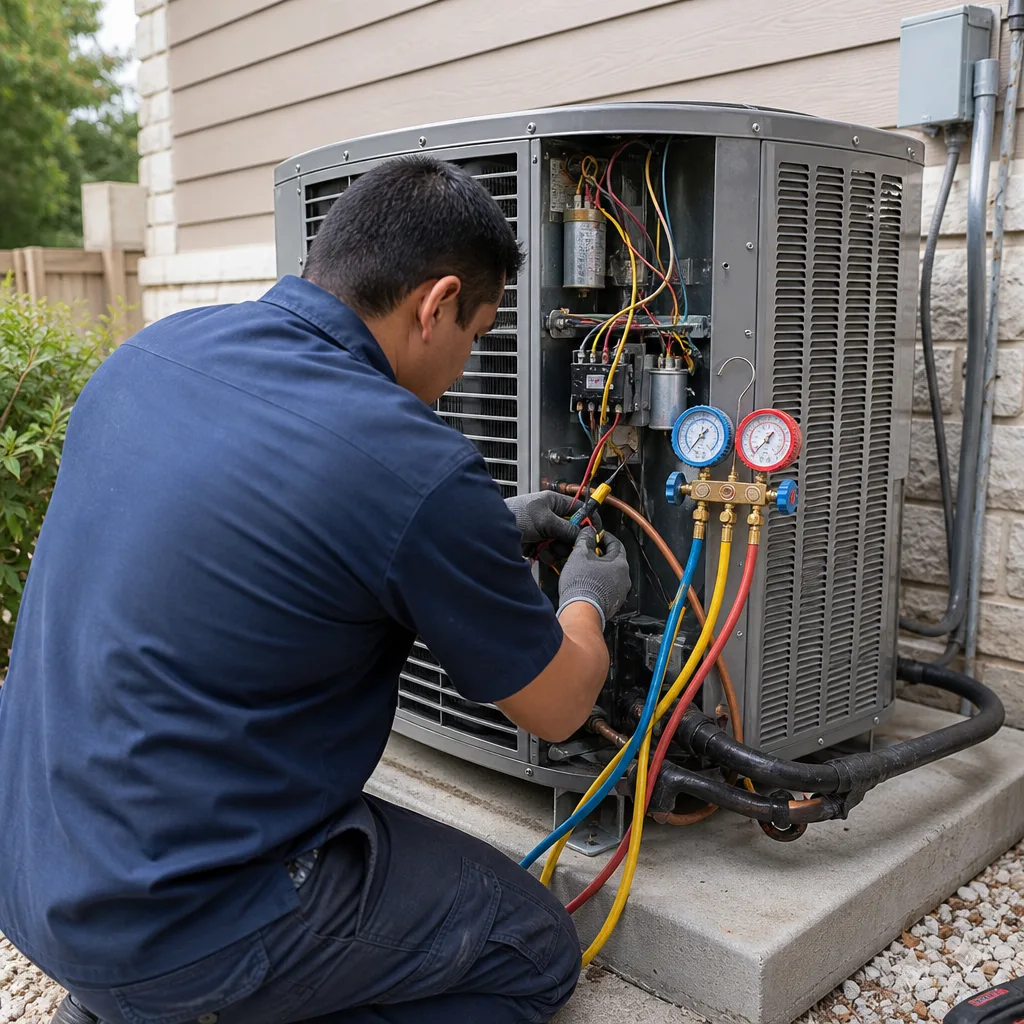
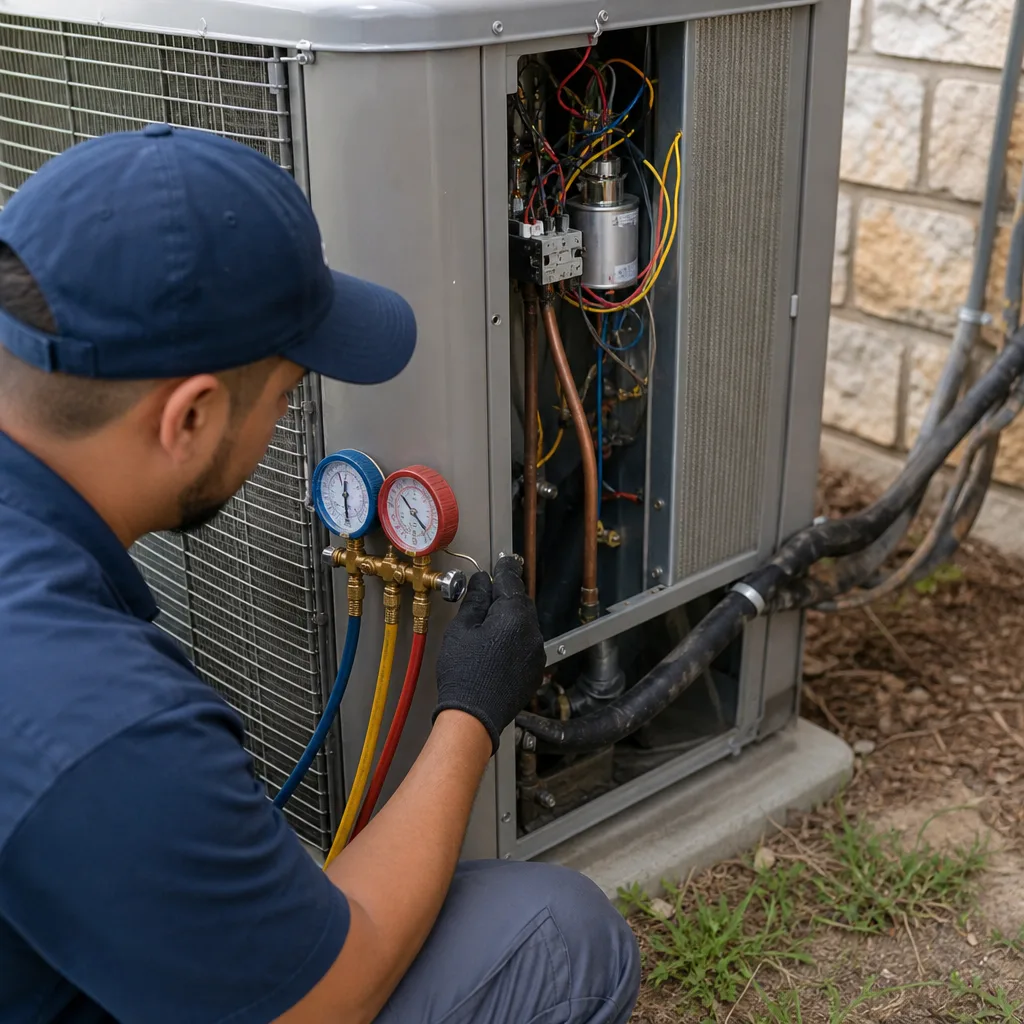
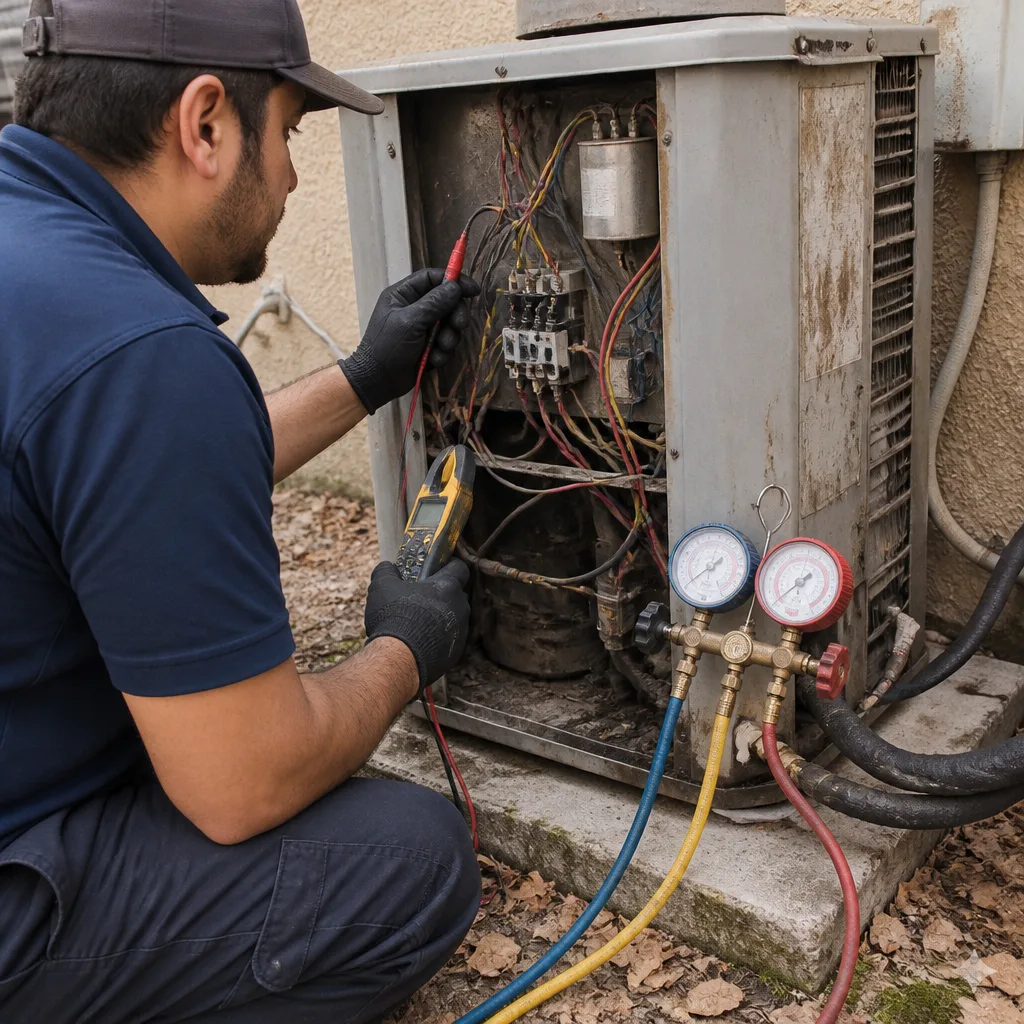 Before
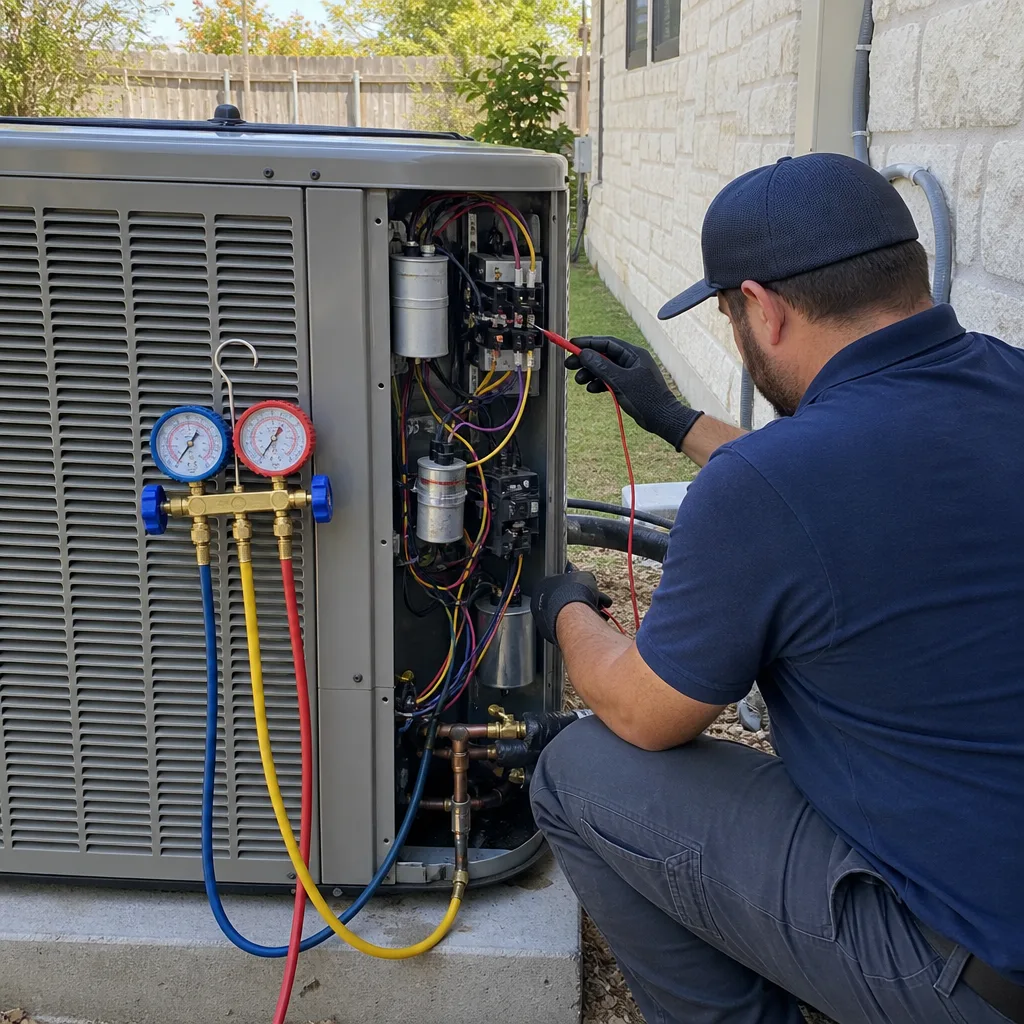 After
After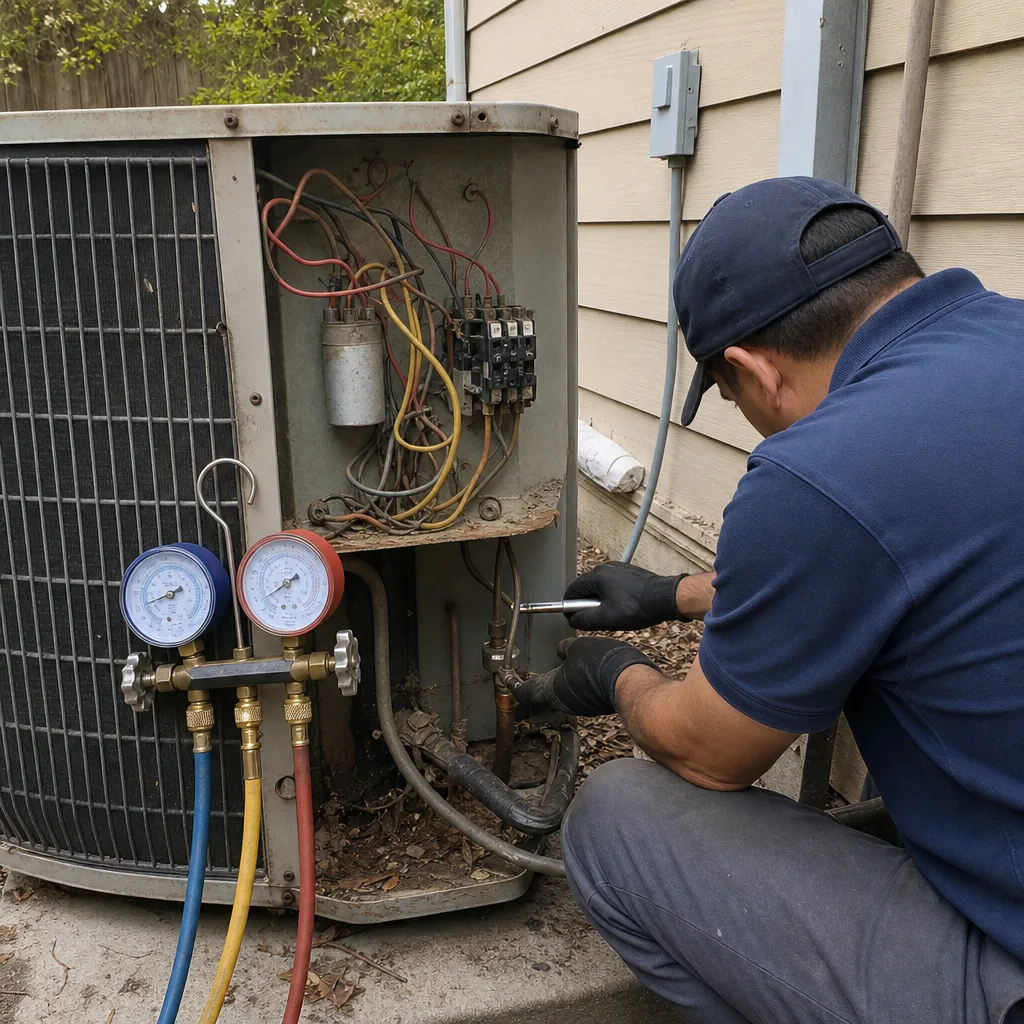 Before
 After
After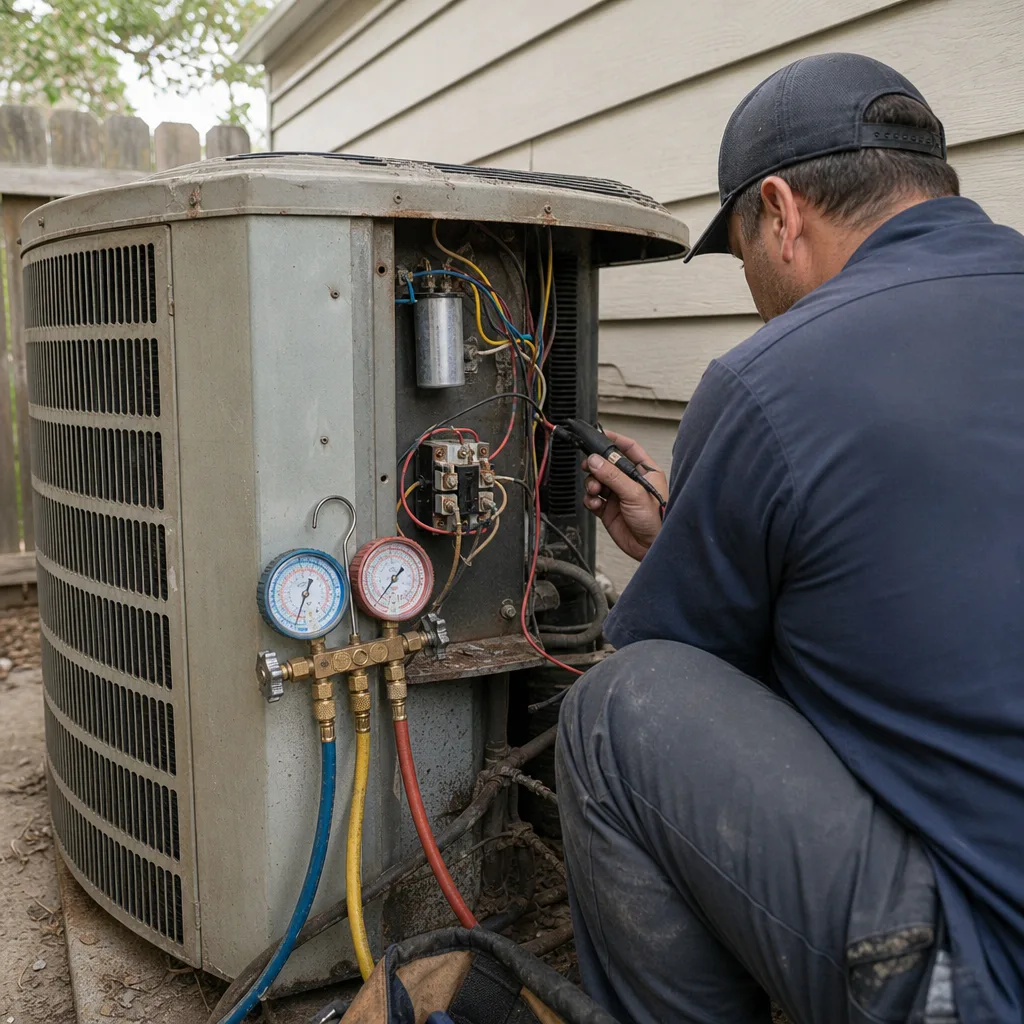 Before
 After
After