
Last updated October 16, 2026
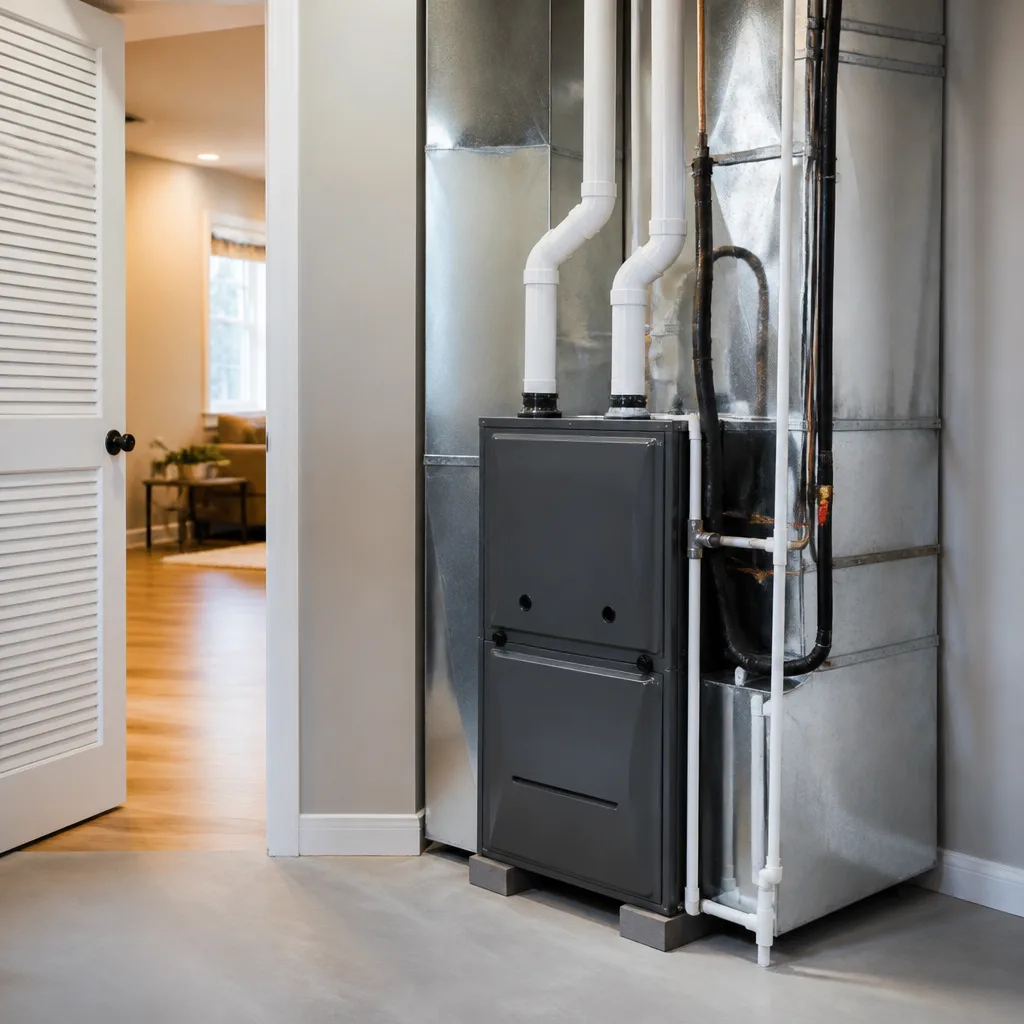 Furnace & heating
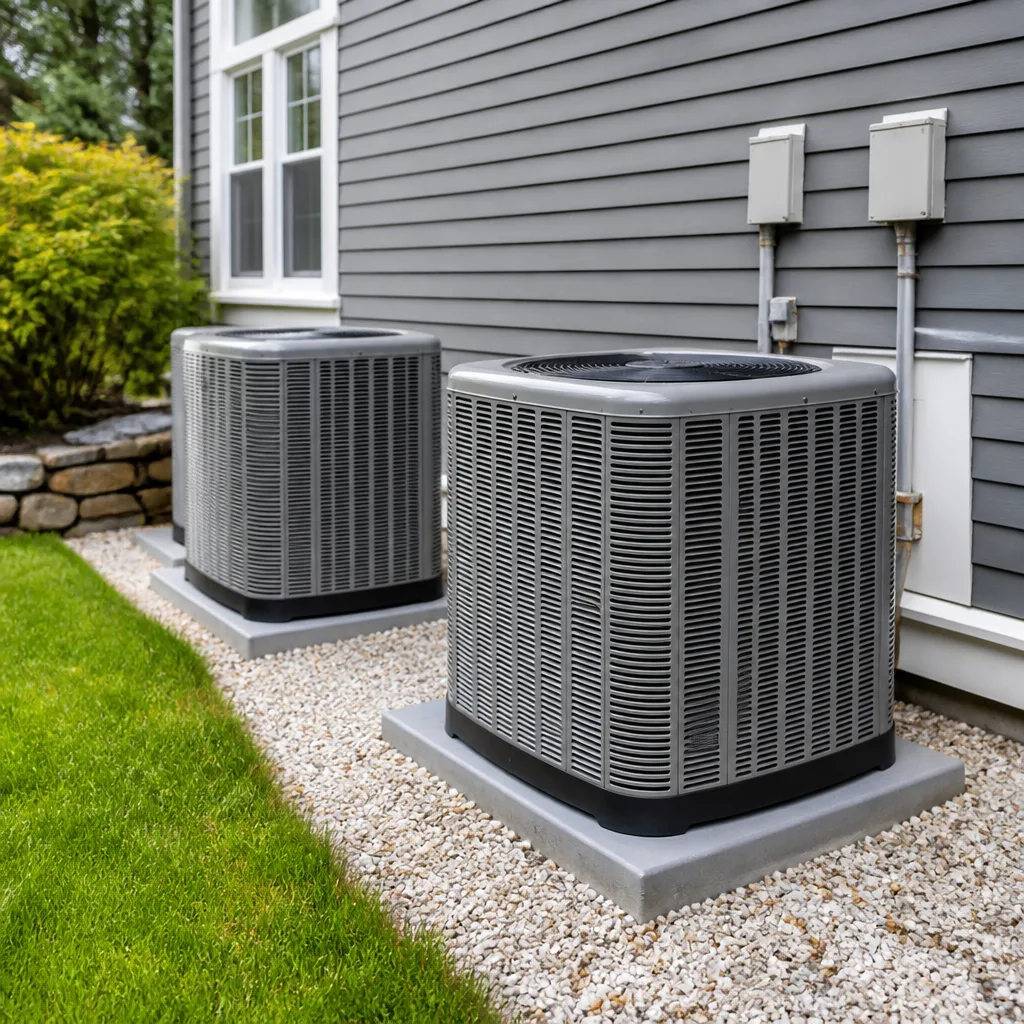 Heat pumps
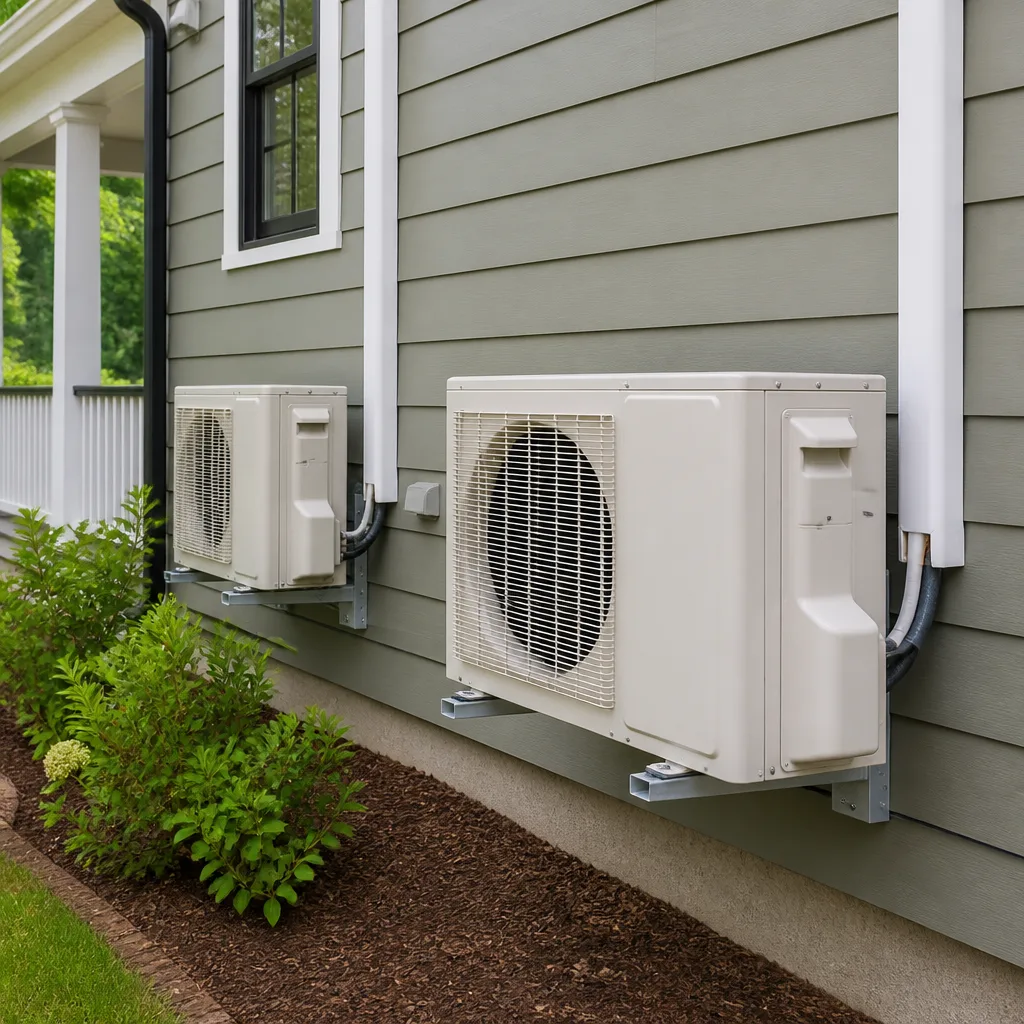 Ductless mini splits
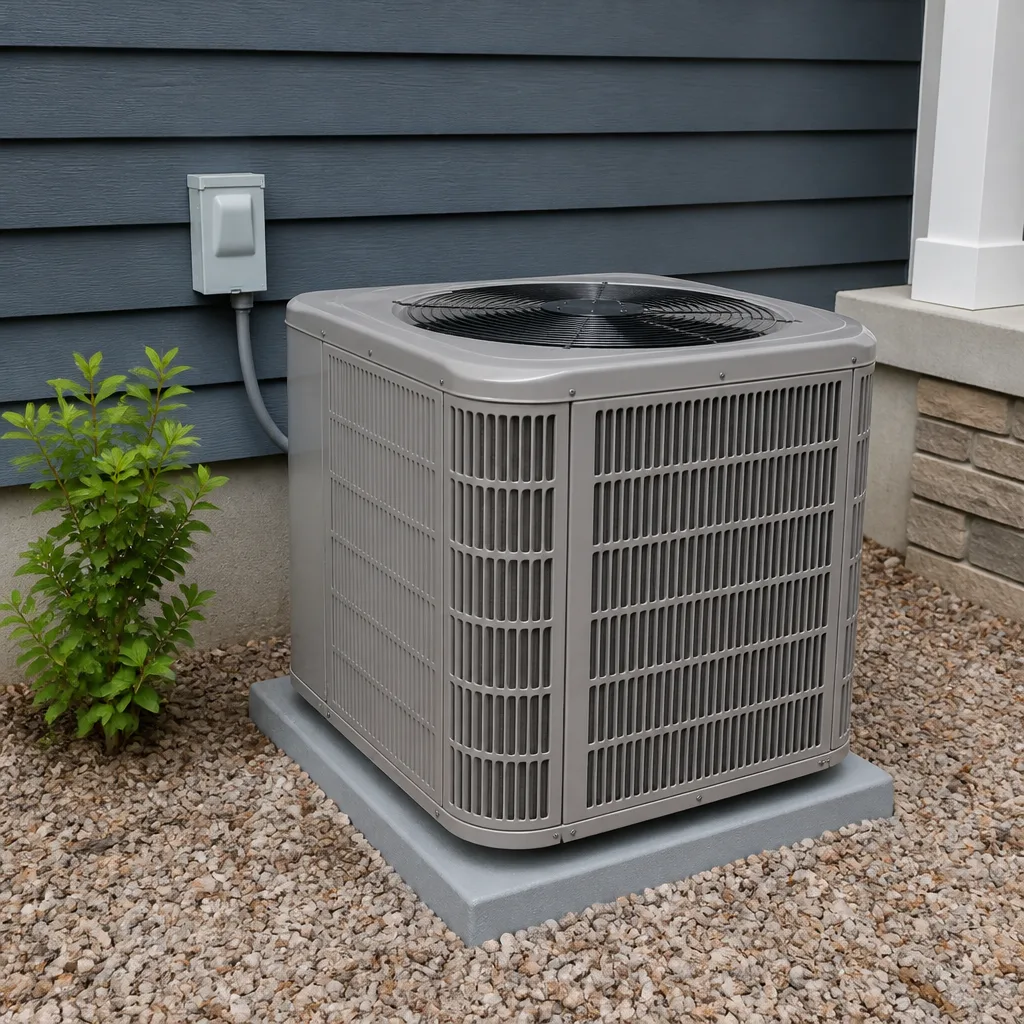 Carrier
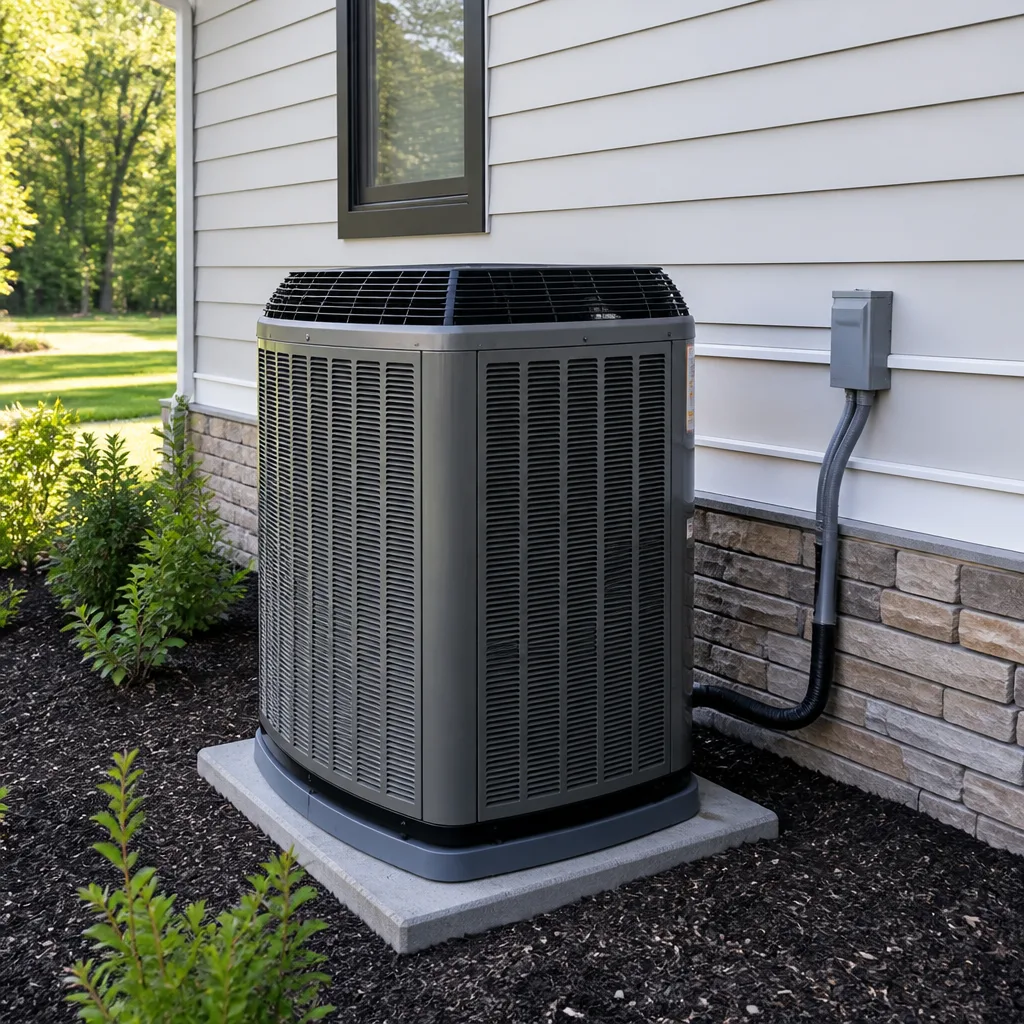 Trane
Trane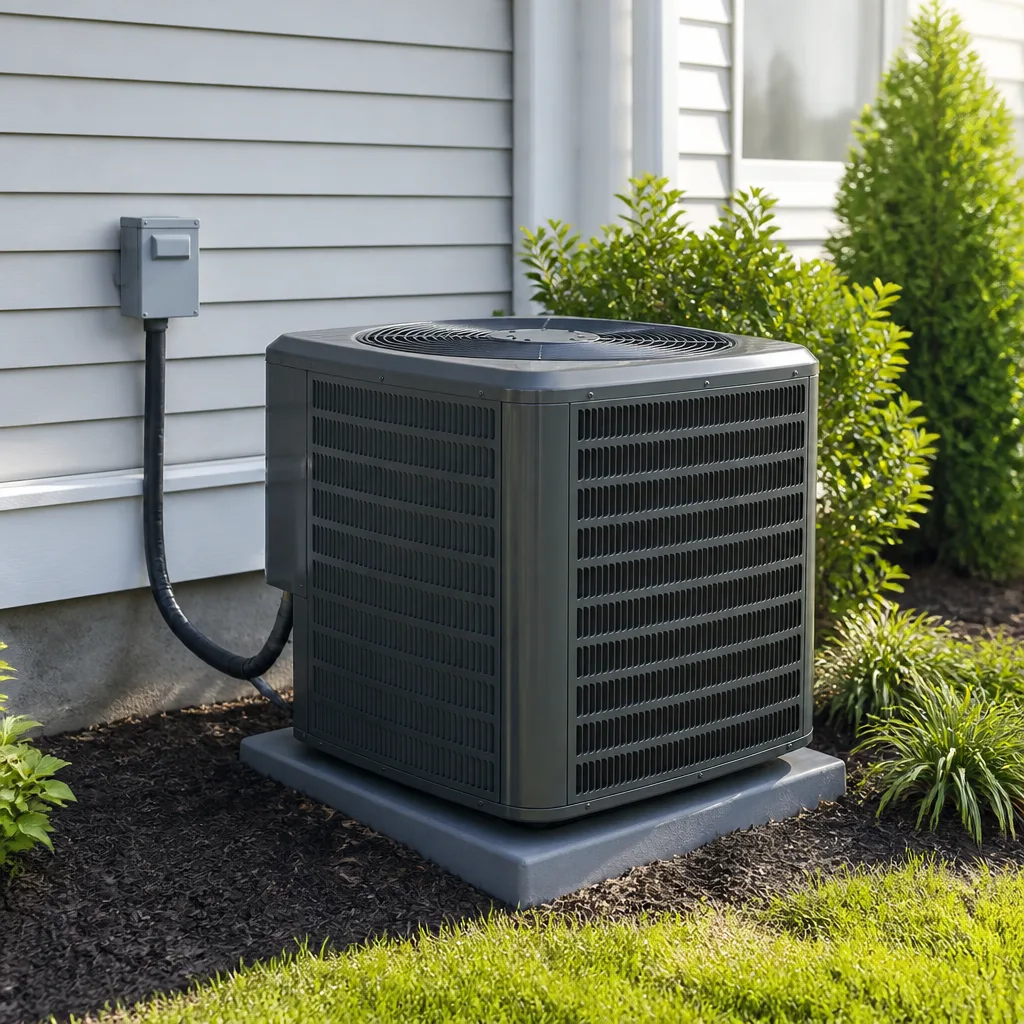 Goodman
Seasonal tune-up and full diagnostic on your Carrier, Trane, or Goodman system - readings shown to you before any repair is proposed
Diagnosis first, numbers second - you approve the repair price before a single part goes in.
Get your free estimateSeasonal HVAC Care for San Antonio: Year-Round Homeowner’s Guide
February is statistically San Antonio’s most dangerous HVAC month, and that surprises most homeowners. Not July, when every air conditioner in Bexar County is running wide open. February. The city’s freeze events, 2021 being the most severe, tend to hit systems that were never properly winterized because the prevailing wisdom says it doesn’t really get cold here. Except when it does, and then it does so with almost no warning. This guide-along with our Complete Guide to HVAC in San Antonio-gives you a month-by-month action plan calibrated to what actually happens here, not a generic four-seasons template that works for Ohio and fails for South Texas.
Styles & brands we work with
Quick Answer
Seasonal HVAC maintenance in San Antonio means scheduling a professional tune-up in March or April before cooling season, changing filters every 30 to 60 days year round, clearing the outdoor condenser unit of cottonwood and oak debris in May, and doing a focused winterization check on your furnace or heat pump in late November before the first hard freeze arrives. Most San Antonio homes need a cooling-focused system with a small, honest investment in freeze protection, not an equal split between heating and cooling maintenance.
Table of Contents
- Why February Is the Real Danger Month in San Antonio
- The San Antonio Month-by-Month HVAC Calendar
- Why March and April Are the Highest-ROI Maintenance Window
- Freeze Preparation for San Antonio’s Irregular Winter Storms
- The October to November Window: Scheduling Before Prices Spike
- What Shoulder Season Really Means for Your System
- Common Mistakes to Avoid
- When to Call a Professional
- Frequently Asked Questions
- The Bottom Line
Why February Is the Real Danger Month in San Antonio
Here’s what we’ve learned from nearly two decades of repair calls across San Antonio: the most destructive weather event for HVAC equipment in this city is not the August heat wave. It’s the February cold snap that arrives after weeks of 60-degree days. Systems that spent all winter coasting on occasional heating cycles suddenly get asked to run continuously for 48 to 72 hours straight, and that’s when the accumulated neglect shows up.
During the 2021 freeze, we saw heat strips burn out, condensate lines freeze solid, and gas furnaces fail because the intake vents outside had been covered in ice. Homeowners who had not touched their heating equipment since the previous winter were suddenly without heat in single-digit temperatures. The fix was rarely simple. Most of those failures were preventable with a basic seasonal inspection done in November or December.
The lesson we carry forward from that week is blunt: you don’t need to invest heavily in cold-weather equipment you’ll rarely use, but you do need to make sure the equipment you have can survive a hard freeze when it comes. That’s the guiding principle for everything in this guide.
If you want to dig deeper into the heating side of things, our guide on Furnace Repair in San Antonio covers what actually breaks during freeze events and what repairs typically cost.
The San Antonio Month-by-Month HVAC Calendar
Most HVAC advice columns publish the same seasonal checklist every year-like a basic AC Repair Maintenance Checklist for San Antonio Homeowners-but even that misses the local rhythm: clean your condenser in spring, check your furnace in fall. That’s fine for Kansas City. San Antonio has a different rhythm. Here’s the actual calendar we recommend to homeowners in Bexar County, based on what we see in the field month after month.
January
Your system is likely doing light duty. Run the furnace or heat pump for one full cycle while you’re home and awake. Listen for anything unusual: rattling from the blower, a delayed start, a burning smell that doesn’t clear in a few minutes. Check the area around your outdoor unit for debris that’s blown in over the winter. This is the quiet month to catch minor problems before February tests everything. Change your filter if you haven’t in 30 days.
February
This is the vigilance month. Watch the forecast obsessively, because a hard freeze in San Antonio often comes with 48 hours’ notice or less. Know where your furnace intake and exhaust vents are located outside. Keep them clear of leaves, ice, and snow. If you have a heat pump, understand that it will run in auxiliary or emergency heat mode when temperatures drop into the 20s. That’s normal, and it’s going to cost more on your electric bill. If your system starts short-cycling or the house won’t hold temperature, call before the freeze peaks. Waiting until your pipes freeze does not save money.
March
This is the month to book your cooling season maintenance. Seriously. More on why below, but the short version: you’re ahead of the rush, the weather is mild enough that your technician can work comfortably outdoors, and any problems get fixed with weeks to spare before the first 90-degree day. A typical San Antonio cooling system sits dormant for four or five months over winter. Rodents, dust, and moisture all take a toll during that idle period.
April
By April, temperatures in San Antonio are already brushing 80 degrees on sunny days, but we’re not yet in the full cooling grind. This is the deadline month for maintenance. If you scheduled in March, great. If you didn’t, schedule now. The first real heat wave usually arrives in May, and you want your system already inspected and ready. This is also the month to address any lingering concerns from winter. A weak capacitor that struggled in February will fail outright in July.
May
Cottonwood season. If you’ve lived in San Antonio for even one spring, you know what cottonwood does to air conditioner condensers. The fibrous seeds collect on the coil fins, and combined with oak pollen and construction dust, they form a mat that chokes airflow. The system has to work harder to reject heat, compressor pressure climbs, and your July electric bill soars. Clean the area around your outdoor unit at least twice in May. Gently hose off the coil fins from the outside if you can see buildup. Never use a pressure washer. More on that in the mistakes section.
June through September
Cooling season proper. Your system runs hard. Change filters every 30 days if you have pets or live near construction, every 60 days if your home is cleaner. Watch for these signs of strain: rooms that can’t hold a set temperature, an outdoor unit that runs constantly without cycling off, ice forming on the refrigerant lines, or a compressor that’s too hot to touch. These are not normal, even in a San Antonio July. Each one is a reason to call for service before the system fails entirely on a weekend. Our AC Repair in San Antonio page walks through common summer failures and what they should cost to fix.
October
Crucial decision month. More on this below, but here’s the short version: October is when smart San Antonio homeowners replace aging systems. The demand has dropped, manufacturers run fall promotions, and technicians are scheduling with days of availability instead of weeks. If your system is over 12 years old or needed multiple repairs over the summer, October is the month to get a replacement quote. You’ll also want to run your furnace or heat pump in heating mode once just to confirm it works before you actually need it.
November
Winterization month. Schedule a heating-focused inspection: heat exchanger inspection on a gas furnace, wiring and contactor check on a heat pump, thermostat calibration, carbon monoxide detector test if you have gas appliances. This should also include a check of your refrigerant levels before the system goes into winter mode. Small problems caught in November are cheap. Those same problems in February come with emergency rates and cold bedrooms.
December
Enjoy the holidays. Run your heat a few times even on mild days to keep everything lubricated. Check your filter. Know who you’ll call if the system fails on a cold night, because in December in San Antonio, the phone call to an HVAC company at 9 PM on a Saturday should be answered by a person, not a voicemail tree. It’s worth confirming that before you need it.
For step-by-step help on keeping your system alive through the year, our AC Maintenance in San Antonio guide covers the professional checklist in more detail.
Why March and April Are the Highest-ROI Maintenance Window
If you do one thing differently after reading this guide, make it this: move your annual AC maintenance appointment to March or April. Here’s the logic, based on what we’ve observed across thousands of San Antonio service calls.
Most homeowners in this city schedule maintenance in May or June, reacting to the first heat wave. That’s the most expensive time to do it. By May, demand has already spiked. Technicians are working 12-hour days. Scheduling windows narrow. And small problems that could have been fixed in a 30-minute visit in March have now become full failures because the system ran hard for two weeks in 95-degree heat with a weak component.
March and April give you three advantages:
- Lower demand, faster appointments. You can get a technician out in a day or two instead of waiting two weeks. If a part needs ordering, it arrives before summer instead of during the worst week of July.
- Mild weather makes diagnostics easier. A technician can actually inspect the outdoor unit without heat exhaustion, and can run the system in cooling mode long enough to verify refrigerant pressures, airflow, and temperature split without the extreme heat masking or exaggerating readings.
- Cost savings compound. A system running with clean coils, full refrigerant, and a tested capacitor in June uses less electricity all summer. The maintenance visit pays for itself in lower utility bills, and a March tune-up means those efficiency gains apply for the entire cooling season, not just the back half.
In our experience, the homeowners who maintain in March and April are the ones who don’t call us at midnight in August. That’s not a coincidence.
Freeze Preparation for San Antonio’s Irregular Winter Storms
You don’t need to spend thousands of dollars upgrading your HVAC system for cold weather you’ll see once every few years. What you need is a few hours of preparation in late November and a realistic understanding of what your system can and can’t handle when the temperature drops into the teens.
First, understand what you have. If you have a gas furnace, your main freeze risk is mechanical: an old igniter that’s about to fail, a flame sensor coated in carbon, or an intake vent that gets blocked by ice or leaves. A furnace inspection in November checks all three. Gas furnaces handle cold weather well, and a properly maintained unit will keep a San Antonio home warm even in a 2021-style event.
If you have a heat pump, understand that it loses capacity as outdoor temperatures drop. Most standard heat pumps in San Antonio are sized for cooling and produce useful heat down to about 32 to 35 degrees. Below that, the auxiliary heat strips kick in. Heat strips are essentially giant toasters drawing 10 to 15 kilowatts. They work, but they’re expensive to run for days on end, and they’re a common failure point in extended freezes. The best freeze preparation for a heat pump home is making sure those heat strips actually work. A November inspection tests them. Most strip failures we saw in 2021 were on systems where the strips had never been tested since installation.
There are also few physical preparations worth doing before a hard freeze forecast:
- Clear the area around your outdoor unit. Remove leaves, grass clippings, and any stored items within two feet. Your heat pump needs airflow to extract heat from the air, even cold air.
- Locate and mark your intake and exhaust vents. If it snows or sleets in San Antonio, these can get covered. Know where they are and check them periodically during the event.
- Set your thermostat to hold a steady temperature. Big setback routines work great on normal winter nights, but during a hard freeze, a heat pump trying to recover a cold house will trigger the auxiliary strips and cost you more. Hold the temperature steady.
- Have a backup plan for extended outages. If the 2021 event taught us anything, it’s that a single HVAC system is not a survival plan. A 2021-style outage can leave you without power for days regardless of your system’s condition. Know your options for shelter, and if you do have a generator, know whether it’s sized and wired to run your furnace or heat pump.
Freeze preparation for San Antonio is about pre-checks and awareness, not heroic upgrades. A one-hour inspection in November covers 90 percent of what actually fails. The other 10 percent is luck and a working smoke detector.
The October to November Window: Scheduling Before Prices Spike
There’s a two-month window in San Antonio every year when HVAC work is genuinely cheaper and faster, and most homeowners miss it because they’re not thinking about their air conditioner in October.
Between the end of September and Thanksgiving, demand for HVAC service drops sharply. The temperature has moderated. AC failures have tapered off. People are budgeting for the holidays, not thinking about their heat pumps. But the physics of HVAC doesn’t care about your calendar. Your system is still aging, and the work you need in October is the same work you’ll need in March, just at a different price.
What can you get done in October and November that’s cheaper than the same work in spring or summer?
- Non-emergency repairs. That refrigerant leak you’ve been nursing along with occasional top-offs? The fix is a proper leak test and repair. October is when you do it. The alternative is a surprise breakdown in July and an emergency service call.
- System replacement. If your AC is over 12 years old, or if you spent more than $500 on repairs this summer, October is the month to get replacement quotes. Bryant, Carrier, Trane, and American Standard all run fall and winter promotions through their dealer networks. You’ll also get a less rushed installation, which matters for system longevity. A system installed in October is installed by a technician who isn’t racing to the next emergency call.
- Furnace or heat pump winterization. Same inspection as the March tune-up, but focused on the heating side. Getting this done in November means you’re ready when the freeze arrives, and you’re not competing with everyone else who waited until the first cold snap to book an inspection.
The price difference between October and June for the same repair is often 10 to 20 percent, and the scheduling difference is even starker. In October, you might get a next-day appointment. In June, you might wait two weeks. If your system is aging, act now.
What Shoulder Season Really Means for Your System
San Antonio doesn’t really have a spring and fall in the traditional sense. What it has is a cooling season that runs roughly April through October, a heating season that shows up intermittently from November through March, and brief transition stretches in late March and late October. These are the shoulder seasons, and they’re harder on HVAC equipment than most people realize.
The problem is rapid cycling caused by thermostat settings colliding with mild weather. Here’s what typically happens in late March or early April in San Antonio. Highs hit 80, lows drop to 55, and the homeowner sets the thermostat to 72. The AC runs during the day. Then the sun goes down, the temperature drops, and the thermostat swings to heat. The system runs in heating mode for an hour. Then the house warms up, and it kicks back to cooling. This back-and-forth can run the compressor and reversing valve through dozens of changeovers in a single day.
Every changeover is mechanical stress. Reversing valves in heat pumps are not designed for constant cycling. Compressors are not designed to start and stop every 20 minutes. The result is premature wear on the exact components that cost the most to replace.
What should you do instead? Simple: set a wider temperature band during shoulder seasons. If you normally keep the house at 72, let it drift to 74 or 75 during the day in March and let it drop to 68 at night. A few degrees of discomfort in March beats a $600 reversing valve replacement in August. Or, if you’re willing to be slightly warm or slightly cool for a couple of weeks, turn the system off during the day and open windows. Your equipment will thank you in July.
The other shoulder season issue is neglect. During mild weather, systems run less, and when systems run less, problems hide. A capacitor that’s about to fail doesn’t show itself until the system is asked to start reliably, day after day, in real heat. That’s why March maintenance matters. It catches the problems that shoulder season is allowing to lie dormant.
Common Mistakes to Avoid
- Using a pressure washer to clean the outdoor condenser coil. We see this every spring in San Antonio. The logic is understandable: the coil is dirty, pressure washers clean things. The reality: condenser fins are thin aluminum and a pressure washer folds them flat against the coil, permanently blocking airflow. Use a garden hose with a nozzle on a gentle setting, or better yet, let a professional handle it.
- Putting a fence or enclosure too close to the outdoor unit. People install a privacy screen around the unsightly outdoor unit in October, then wonder why it’s overheating in July. Most manufacturers require at least 24 inches of clearance on all sides and 4 to 5 feet above. Tighter than that and you’re choking the unit’s ability to reject heat.
- Closing too many vents in unused rooms. San Antonio homes often have a formal dining room or guest bedroom that nobody uses. Homeowners close those vents to save money. Modern HVAC systems are balanced for their full duct design. Closing more than a couple of vents raises static pressure, makes the blower work harder, and can lead to frozen coils in the summer. Keep vents open.
- Waiting until the first hot day to call for AC service. By late May, wait times in San Antonio are already stretching. If your system was making noise or struggling at the end of last summer, don’t run out the clock. A March appointment is a week out at most. A June appointment could be two or three weeks, and you’ll be sweating the entire time.
- Assuming freeze protection isn’t worth the cost because freezes are rare. A pipe bursting in a 2021-style event will cost you more than a decade of November furnace inspections. The expected value math is not close. The inspection is cheap insurance against a catastrophic and expensive failure.
- Skipping filter changes because you “have a good filter.” High-MERV filters protect indoor air quality, but they also restrict airflow. A clogged high-MERV filter is worse for your system than a clean cheap one. In San Antonio’s dusty climate, check monthly and change every 30 to 60 days regardless of what the filter package claims.
- Setting the thermostat dramatically lower to “cool the house faster.” Your air conditioner cools at the same rate whether you set it to 72 or 65. Setting it lower just means the system runs longer and overshoots. Set the temperature you actually want and let the system do its job.
When to Call a Professional
Some maintenance tasks are fine to handle yourself-changing filters, clearing debris, keeping vents clean-but for bigger questions, see our DIY vs Professional HVAC: The San Antonio Homeowner’s Decision Guide. But certain problems need a trained eye and a set of gauges. Call a professional when you see ice on the refrigerant lines or on the indoor coil in summer. Call when your system is running but the house won’t hold temperature. Call when you hear a grinding, hissing, or banging noise that doesn’t go away. Call when you smell gas or a burning odor near the furnace. Call when your thermostat shows an error code you don’t recognize. None of these get better on their own, and several of them get dramatically more expensive the longer you wait.
Brandt HVAC Co San Antonio offers free estimates in San Antonio. Call (361) 470-8872 and a live person will answer, day or night. You’ll get a written price before any work starts, no exceptions.
Frequently Asked Questions
Twice a year is the right rhythm for San Antonio’s climate: once in March or April focused on cooling performance, and once in November focused on heating readiness. The pre-cooling visit is the more important of the two given how hard AC systems work in this city. If you can only afford one visit a year, make it March or April.
Most San Antonio homes can hold 75 to 78 degrees comfortably with ceiling fans running, and every degree above 72 on the thermostat saves about 3 percent on cooling costs. The right number depends on your home’s insulation and your comfort tolerance, but aggressively low settings in the July heat strain the equipment and spike your electric bill without cooling the house any faster. Call (361) 470-8872 if you need help finding the right balance for your system.
You don’t need to cover or seal your outdoor unit, and in fact, covering it can trap moisture and cause rust. What you do need is a heating-focused inspection in November: heat exchanger check on a gas furnace, heat strip test on a heat pump, and a general safety check. San Antonio freezes are irregular but severe, and the preparation is inexpensive insurance.
In San Antonio’s climate, a well-maintained system typically lasts 12 to 15 years. Systems that get annual maintenance and replaced filters tend toward the higher end. Systems that run hard every summer with dirty coils and low refrigerant often die at the lower end. If your system is over 12 years old and needs a repair that costs more than a quarter of a new system, replacement is worth considering.
October and November are the least expensive months for system replacement in San Antonio. Demand drops after the cooling season ends, manufacturers run fall promotions through their dealer networks, and installers have open scheduling. You’ll often get better workmanship in the fall too, since technicians aren’t rushing between emergency calls.
Yes, depending on the system you choose and the efficiency rating. Federal tax credits for high-efficiency heat pumps and air conditioners are available through the Inflation Reduction Act, and CPS Energy and other Texas utilities occasionally offer rebates for qualifying equipment. The specific programs change year to year, so ask about current San Antonio rebate availability when you get a replacement quote. Estimates are free at (361) 470-8872.
The Bottom Line
San Antonio does not need a four-season HVAC maintenance plan. It needs a two-season plan with sharp attention paid to the transitions and the surprises. Maintain in March and April so the summer heat never catches you with a weak system. Prep in November so February freezes never leave you cold. Change filters every 30 to 60 days without exception. And when the system does fail, which eventually every system does, know that you can get a written price before any work starts and a live person on the phone at any hour. Seasonal care in San Antonio is about anticipating what the weather will actually do, not what a generic guide says it should do. You now know what actually happens here. Plan accordingly.
Written by Devin Marlowe, Owner at Brandt HVAC Co San Antonio, serving San Antonio since 2003.
See the difference
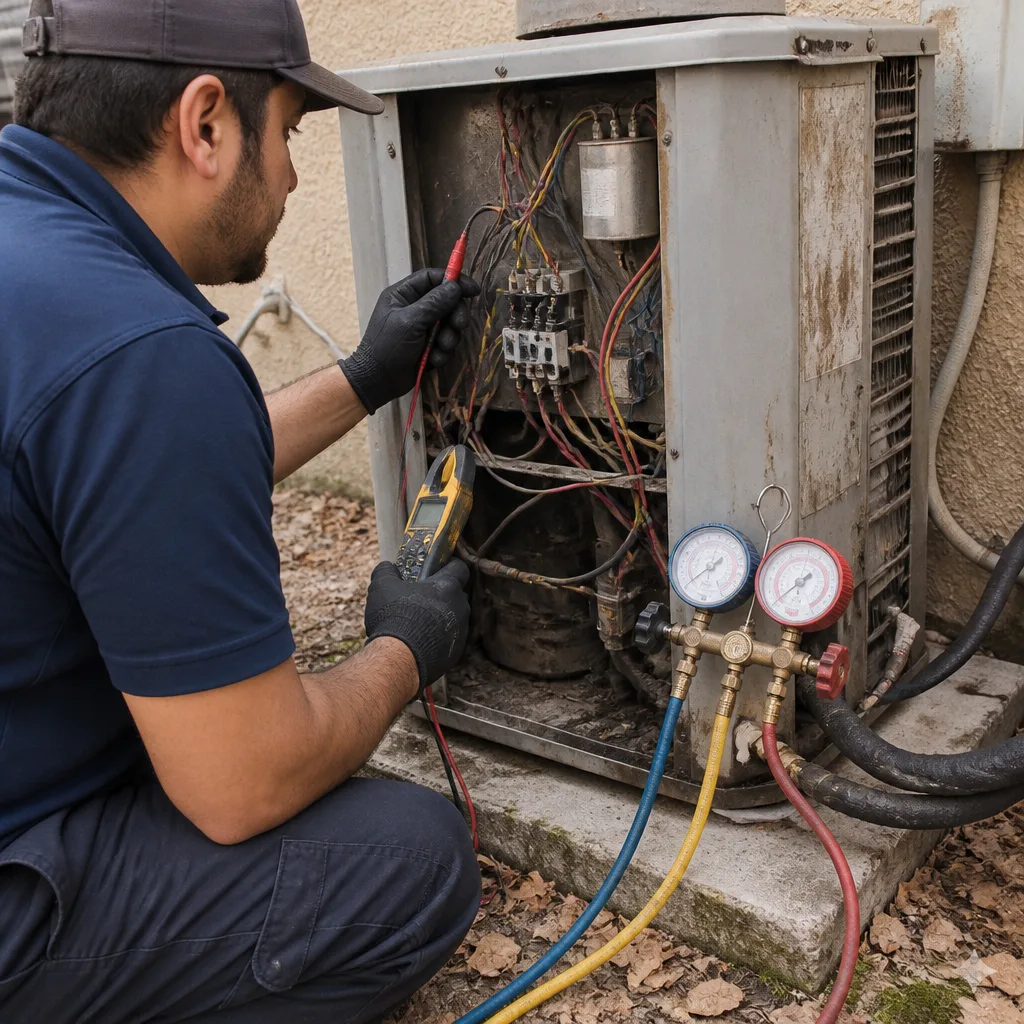 Before
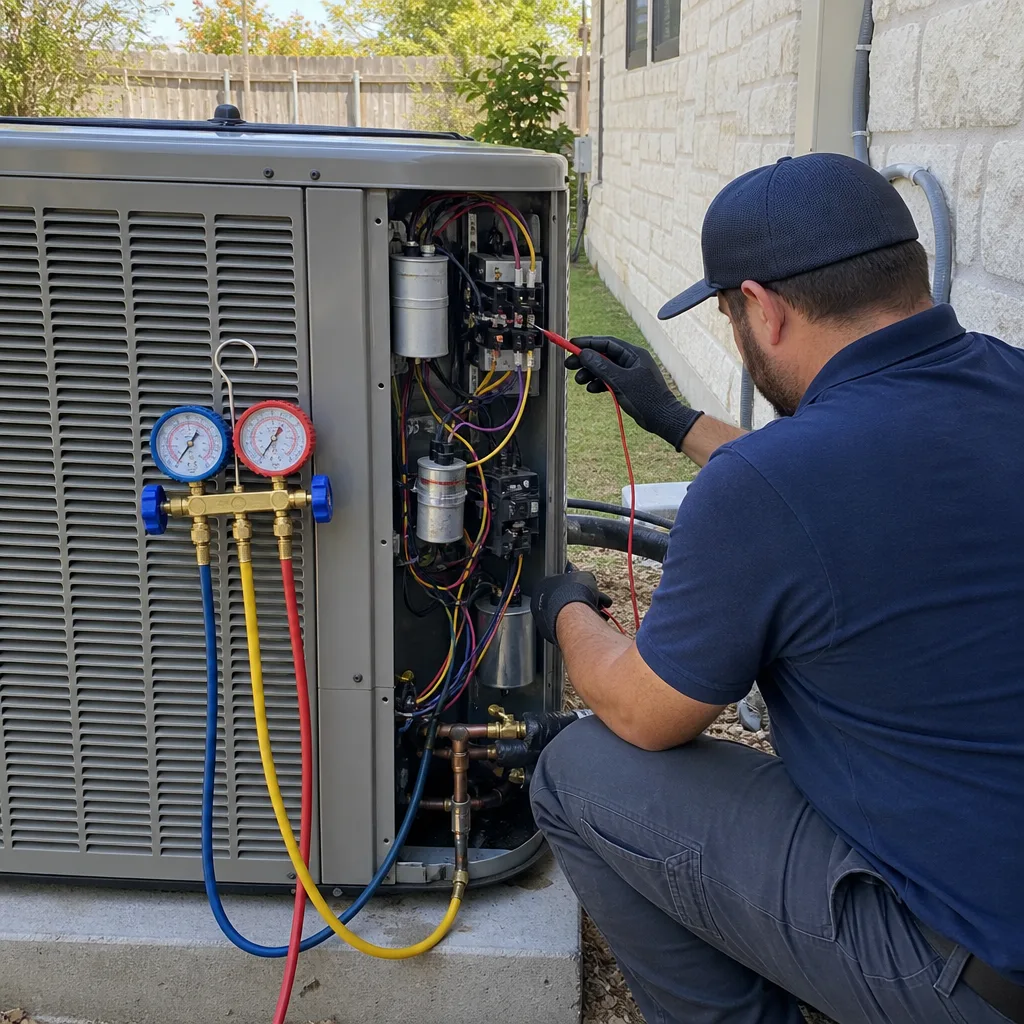 After
After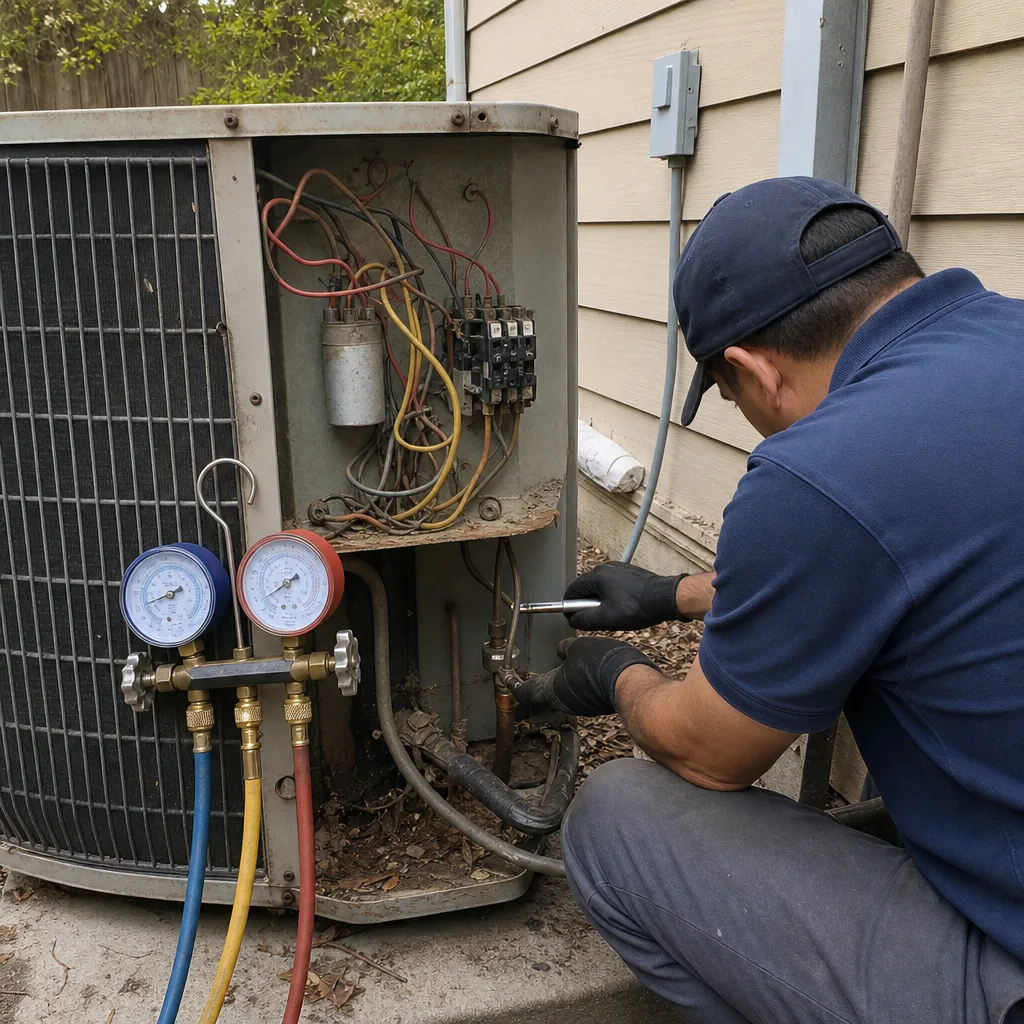 Before
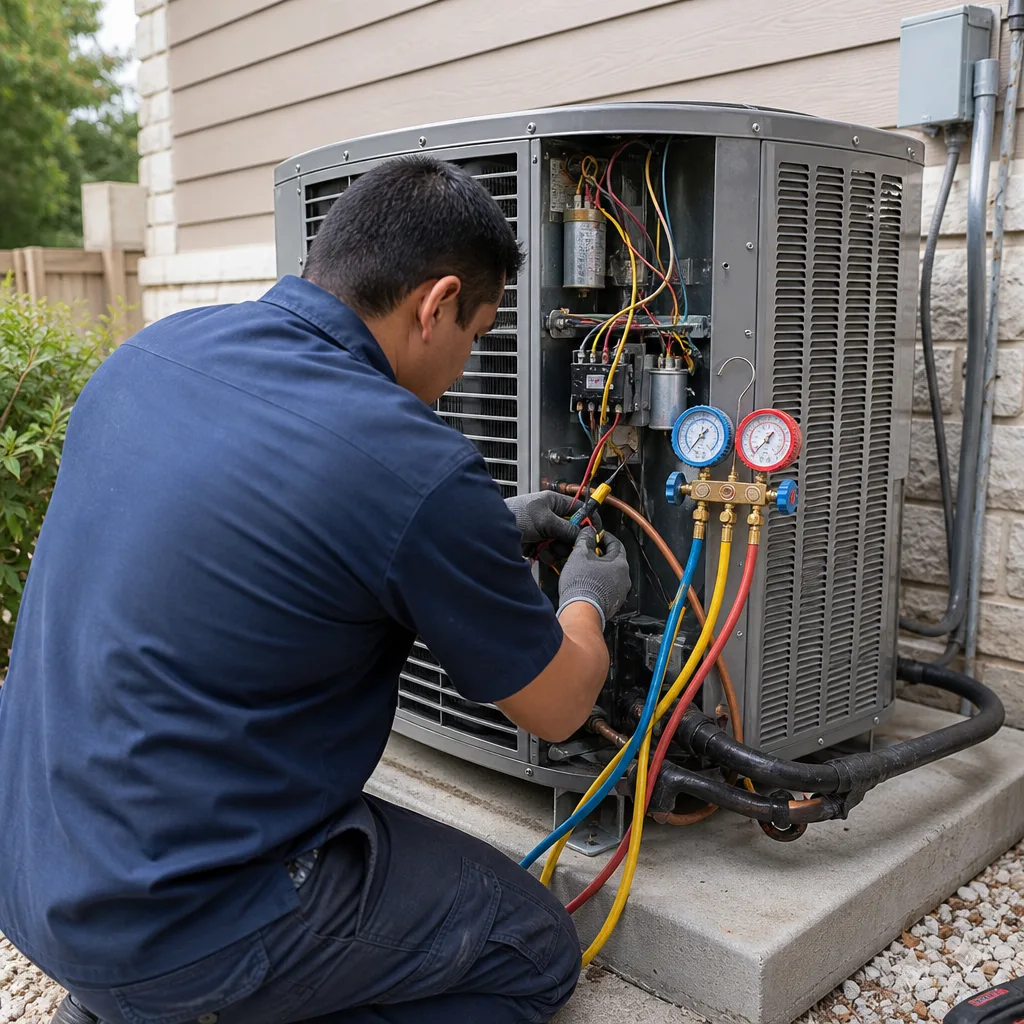 After
After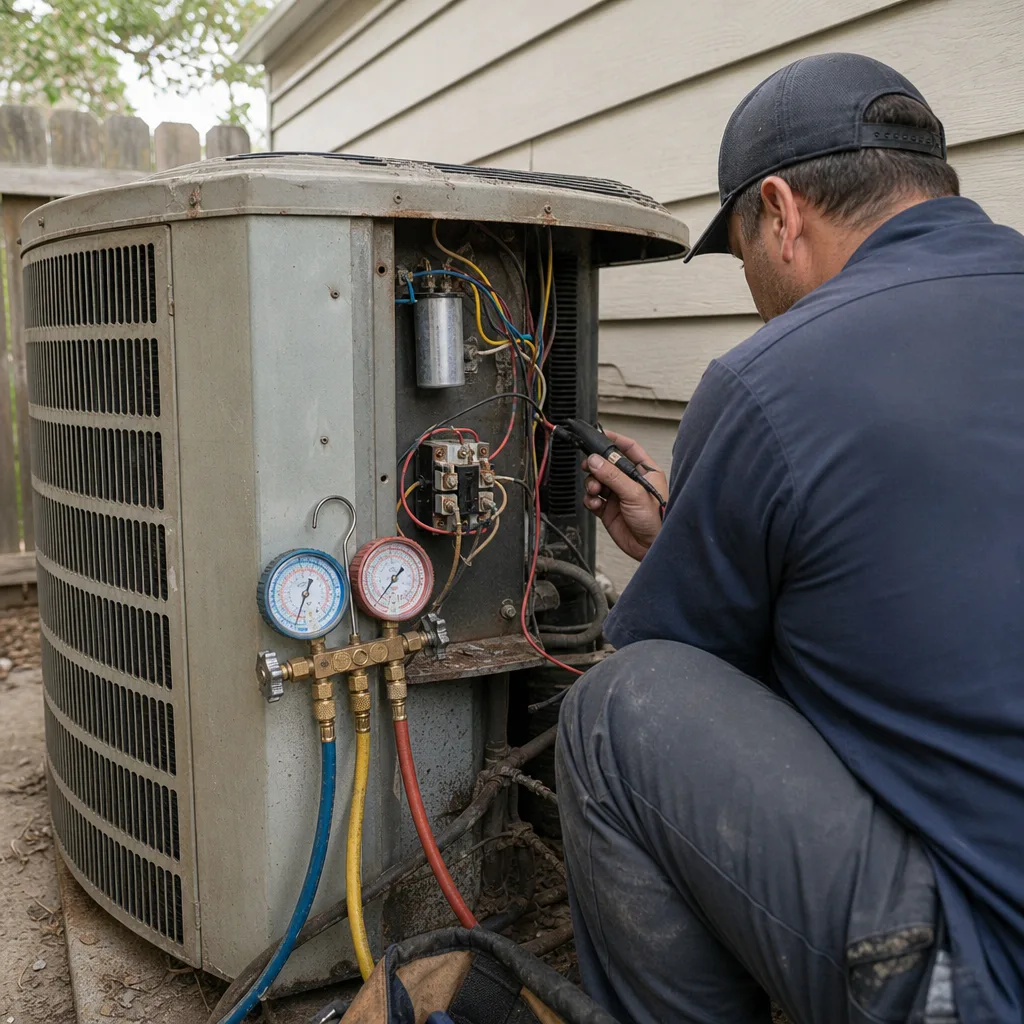 Before
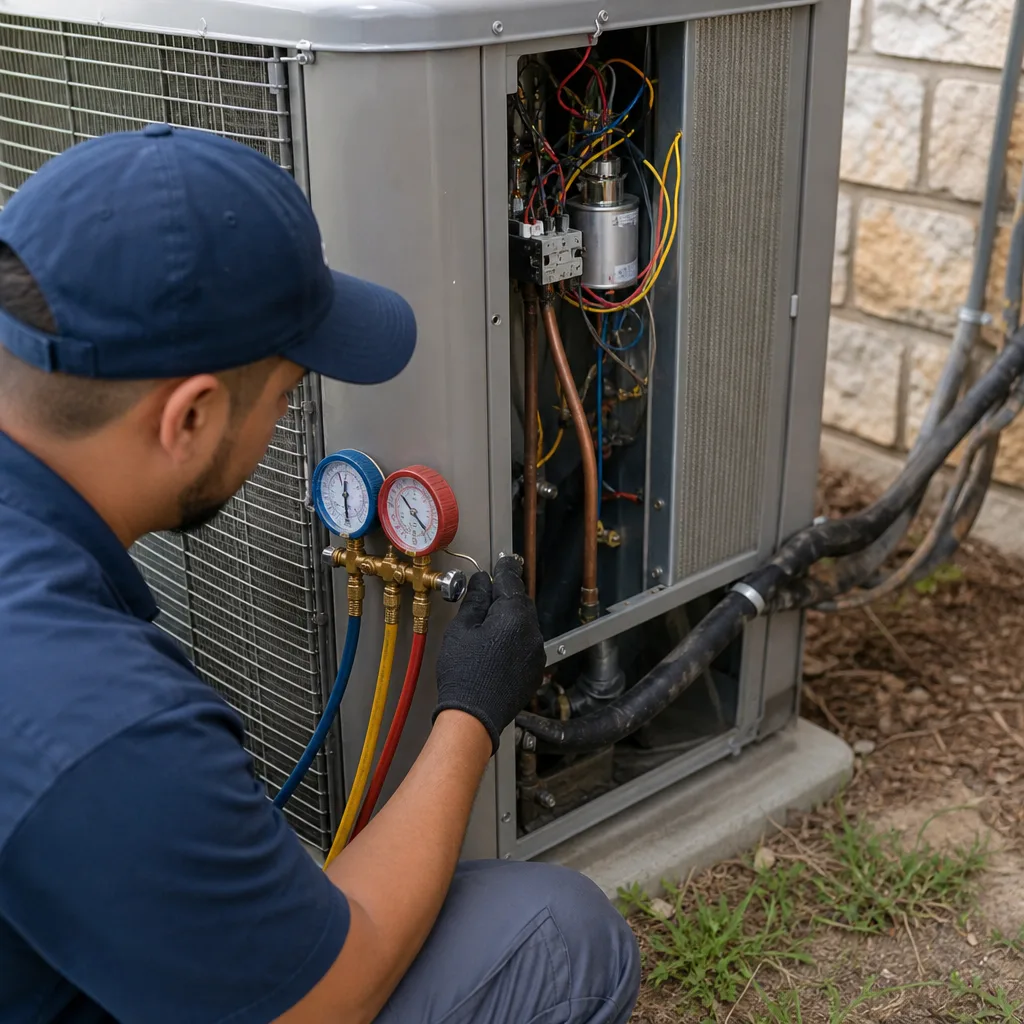 After
After