
Last updated October 16, 2026
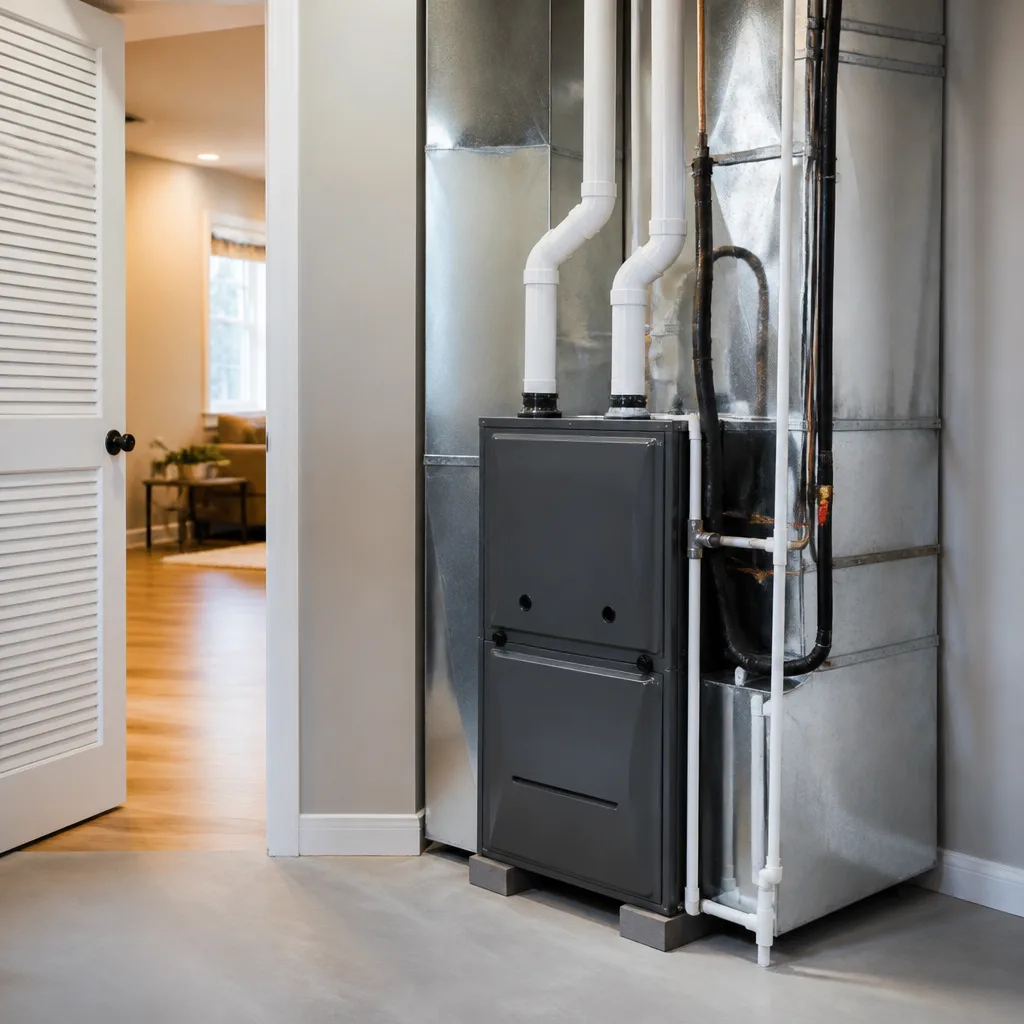 Furnace & heating
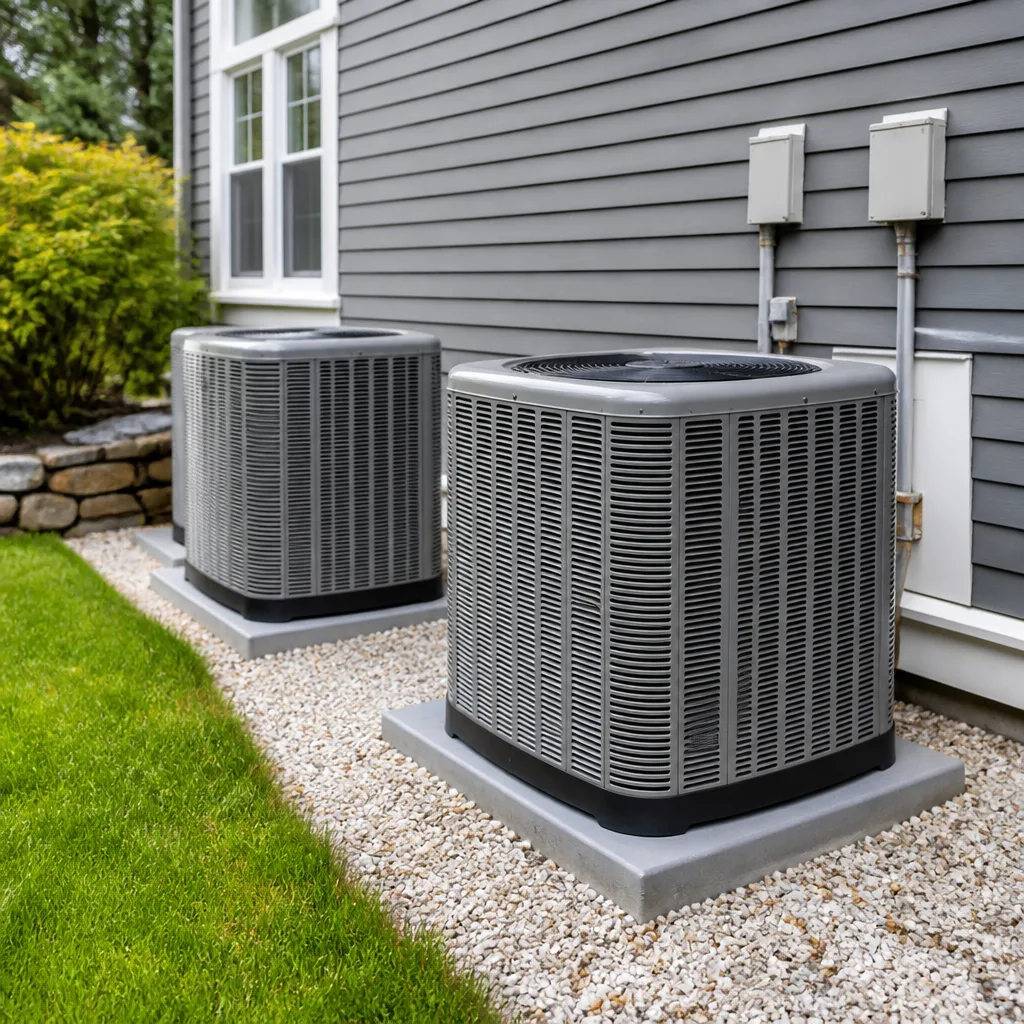 Heat pumps
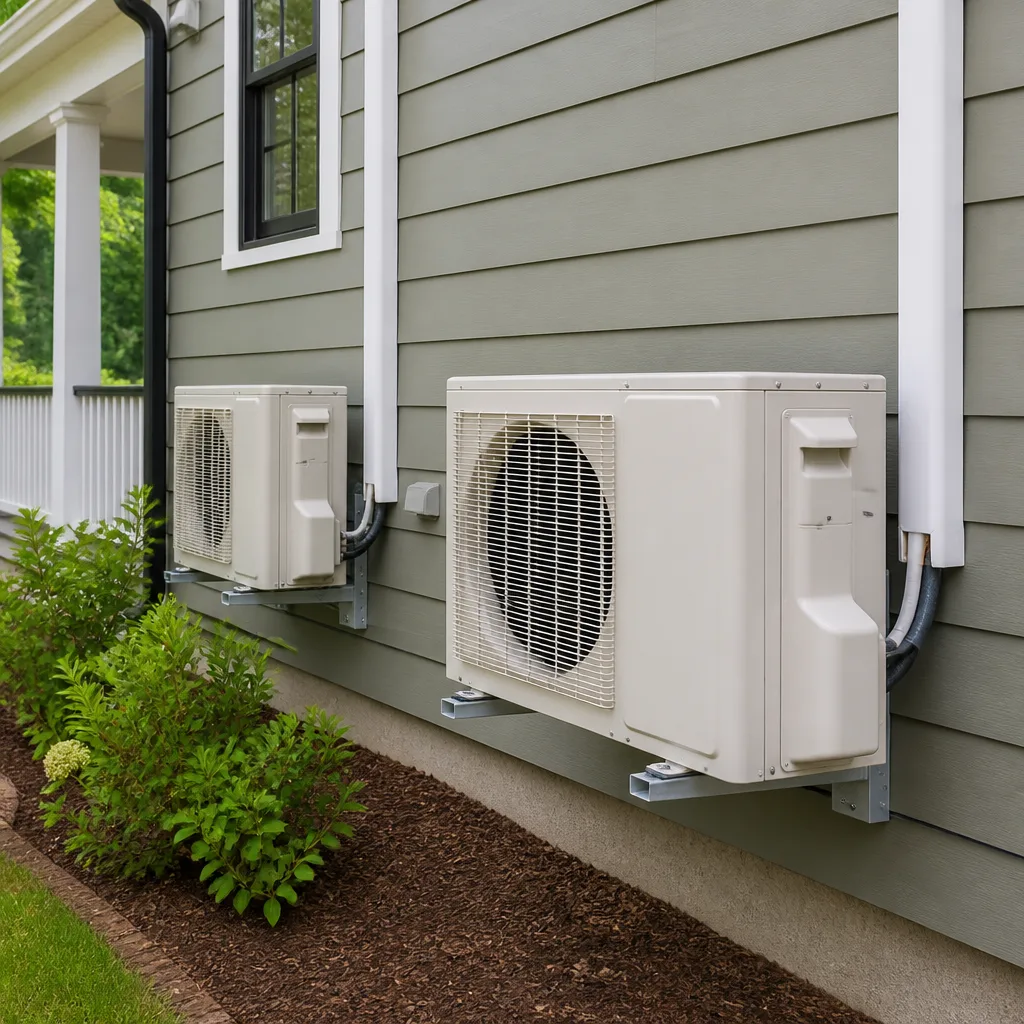 Ductless mini splits
 Carrier
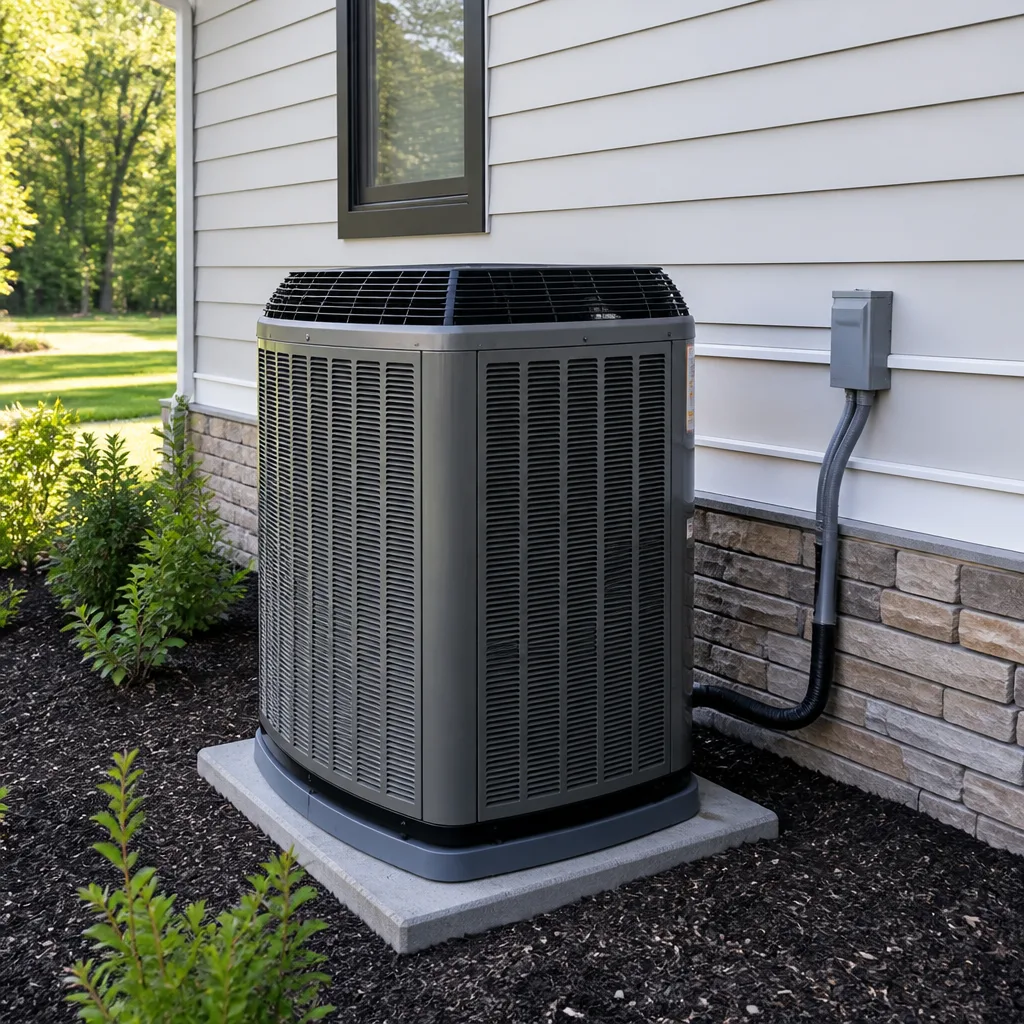 Trane
Trane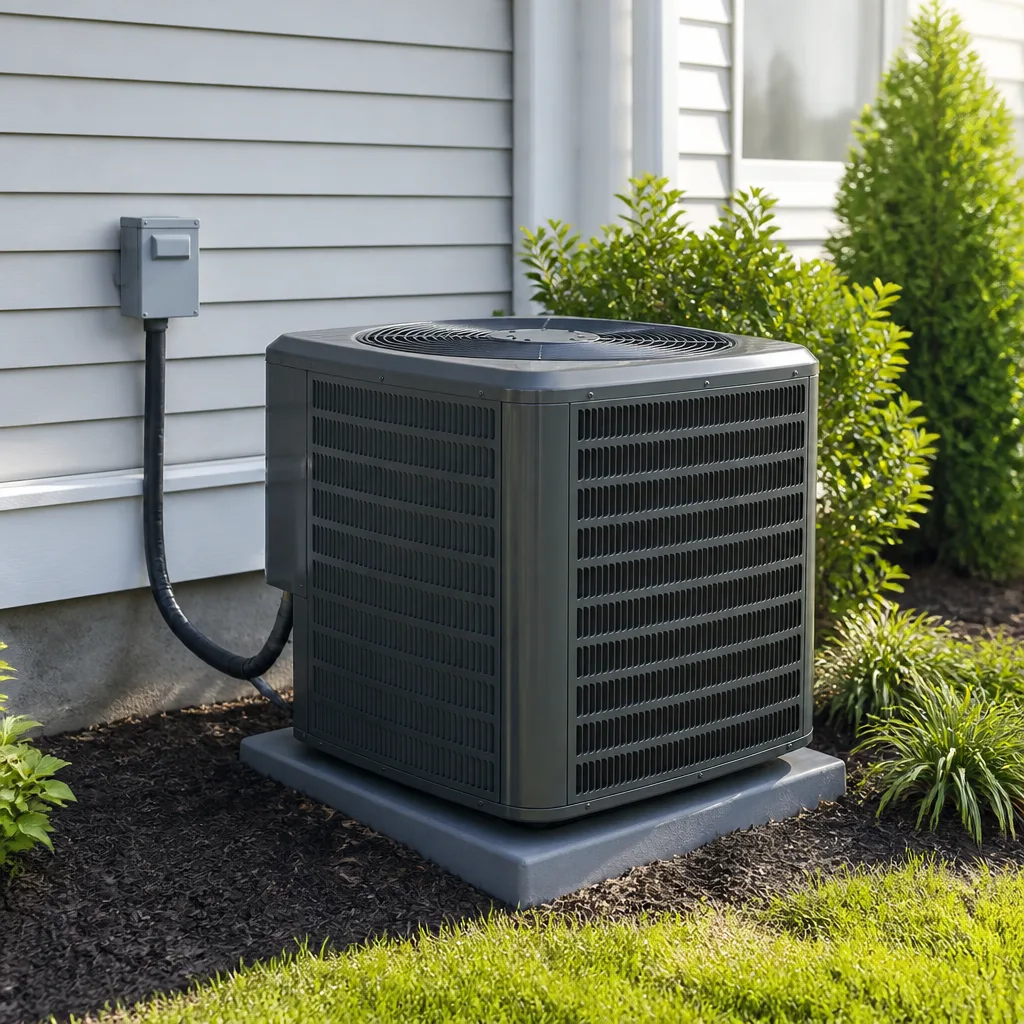 Goodman
Seasonal tune-up and full diagnostic on your Carrier, Trane, or Goodman system - readings shown to you before any repair is proposed
Diagnosis first, numbers second - you approve the repair price before a single part goes in.
Get your free estimateHVAC Permits, Codes & Inspections in TX: What You Need to Know
An unpermitted HVAC replacement in San Antonio can legally void your homeowner’s insurance claim if the system causes a fire or flood, and the contractor who skipped the permit is usually long gone by then. That’s not a scare tactic. It’s what we hear from homeowners when a sale falls apart at the final inspection or an adjuster denies a claim and the paperwork points back to work that was never approved. This guide walks through the Texas and San Antonio rules in plain language so you know what requires a permit, what happens during an inspection, and how to protect your equity before a problem ever reaches your front door. For more guides & resources, see our blog.
Quick Answer
Most HVAC replacements and new installations in San Antonio require a permit from the City of San Antonio Development Services Department, pulled by a licensed contractor holding a Texas Air Conditioning and Refrigeration Contractor License (TACL). Simple repairs like swapping a capacitor, contactor, thermostat, or igniter typically do not. You can verify whether your system was permitted through the City’s online portal, and a failed inspection usually means a correction and a re-inspection, not a dead end.
Styles & brands we work with
Table of Contents
- Why San Antonio HVAC Permits Matter More Than Most Homeowners Realize
- Which HVAC Jobs Require a Permit in San Antonio and Which Do Not
- Texas State TACL Rules vs. San Antonio and Bexar County Amendments
- How to Look Up Whether a Permit Was Pulled for Your Existing System
- The San Antonio HVAC Inspection Process: Timeline, Cost, and What ‘Failed’ Means
- Codes That Apply to Ductwork, Insulation, and Equipment Placement in San Antonio
- How to Protect Yourself When a Contractor Says They’ll ‘Handle the Permit’
- What to Do If You Already Have an Unpermitted HVAC System
Why San Antonio HVAC Permits Matter More Than Most Homeowners Realize
A permit is not just paperwork. It’s the municipal record that your heating and cooling equipment was installed to code, inspected, and approved. When a San Antonio homeowner sells, the buyer’s inspector often compares the equipment on the property against the City’s permit history. A mismatched or missing record raises a red flag that can kill a deal or force a price reduction at the eleventh hour.
Insurance is the other quiet risk. If an unpermitted system causes a fire or water damage, the carrier can deny the claim on the grounds that the equipment was never approved for operation in the structure. We’ve spoken with homeowners who assumed their contractor handled everything, only to discover three years later that no permit ever existed. The contractor was out of business and the homeowner was holding the bill.
There is also a safety side to this. San Antonio summers push air conditioners hard, and a system that was never inspected may have undersized ductwork, improper clearances, or electrical connections that were never checked by a second set of eyes-issues our HVAC Warning Signs: A San Antonio Homeowner’s Reference Guide can help you spot early. The permit process exists to catch those problems while they are cheap to fix.
Which HVAC Jobs Require a Permit in San Antonio and Which Do Not
The short version is this: new installations and replacements of the primary equipment require a permit. Repairs and part swaps generally do not. Here is the practical breakdown we use when a homeowner asks whether their job needs City approval.
Work That Requires a City of San Antonio Permit
- New central air conditioner or heat pump installation where no system existed before, including the first installation in a new addition or converted space.
- Replacement of a full condensing unit and evaporator coil when the existing system is being changed out, in whole, for new equipment.
- New furnace installation or furnace replacement, including converting from electric to gas heat or vice versa.
- Ductwork replacement or significant duct modification that changes the layout of the air distribution beyond a simple repair of an existing run.
- Relocation of equipment, such as moving a condenser from one side of the house to another or changing a furnace from a closet to an attic.
- Electrical or gas line work tied to the HVAC changeout, including new circuits, disconnects, or gas piping runs.
Work That Typically Does NOT Require a Permit
- Replacing a capacitor, contactor, relay, igniter, flame sensor, or control board on an existing system.
- Refrigerant recharge, meaning refilling the fluid that moves heat out of your home, on a system that is otherwise staying in place.
- Thermostat replacement or upgrade on the existing wiring.
- Condensate drain line clearing or repair.
- Blower motor or fan motor replacement.
- Regular seasonal maintenance, including coil cleaning and inspection.
The distinction sounds straightforward, but the line blurs in practice. A changeout that includes a new furnace and a new coil and a new condenser in one job is nearly always a permitted job in San Antonio. A simple repair call on a Saturday afternoon is not. When in doubt, ask the contractor to write on your quote whether the scope triggers a City permit, and then verify that against the City’s published list rather than taking the answer at face value.
Texas State TACL Rules vs. San Antonio and Bexar County Amendments
Texas licenses HVAC contractors at the state level through the Texas Department of Licensing and Regulation under the Texas Air Conditioning and Refrigeration Contractor License, usually called a TACL. That license is required for any person or company performing heating, ventilation, air conditioning, or refrigeration work in exchange for compensation anywhere in the state. A homeowner walking through a door should be able to ask for a TACL number and verify it on the TDLR website in under a minute.
But a state license does not cover everything. Local jurisdictions add their own layer. The City of San Antonio operates its own permitting and inspection process through Development Services, and the rules there can be stricter than the state baseline in specific areas. For example, San Antonio enforces equipment clearances, condensate disposal rules, and electrical disconnect requirements that match or exceed the state-adopted International Residential Code with local amendments. Bexar County does not issue residential HVAC permits for properties inside the city limits; the City of San Antonio handles that authority. For unincorporated areas of Bexar County, the picture changes, and homeowners should confirm jurisdiction before assuming which office to contact.
One practical gap we see all the time is the difference between having a license and pulling a permit. A contractor can hold a valid TACL and still choose to skip the City permit on a job where one is required. The license means the person is qualified. The permit means the work was recorded and inspected. Both matter, and neither substitutes for the other.
How to Look Up Whether a Permit Was Pulled for Your Existing System
This is the six-minute check that can save a homeowner thousands of dollars later, and it is especially worth doing right after buying a house. San Antonio’s Development Services Department maintains an online permit search portal that lets anyone look up permit history by address. Here is the step-by-step for finding whether an HVAC permit exists for your property.
- Go to the City of San Antonio Development Services website and find the building permit search or permit inquiry page.
- Enter your street number and street name exactly as it appears on your property tax record. Skip the direction prefix if the search returns nothing and try again.
- Look through the results for any permit with a description containing “mechanical,” “HVAC,” “air conditioning,” “furnace,” or “heat pump.” The date should match or precede the installation date of your equipment.
- If the equipment is newer than the newest HVAC permit on record, that is a gap. If there is no HVAC permit at all and the system was replaced in the last ten to fifteen years, that is a larger gap.
- Call the Development Services office Monday through Friday with the property address and ask for a records check if the online portal returns nothing useful. The phone call takes ten minutes and produces a definitive answer.
Newer homeowners are the most common people we walk through this process. A home purchased in the last five years may have passed a home inspection while still carrying an unpermitted system, because many home inspectors note the equipment but do not cross-reference city permit records. The HVAC may work fine. The problem only surfaces at resale or at the worst possible time, so the time to look it up is now, not when a buyer is asking questions.
The San Antonio HVAC Inspection Process: Timeline, Cost, and What ‘Failed’ Means
Once a permit is pulled, the work happens, and the contractor schedules a rough or final inspection with the City. For most residential HVAC changeouts, San Antonio requires a final inspection only, not a separate rough-in, unless the scope includes new supply or return ductwork inside a wall or attic that has not yet been covered. The inspection itself is usually a fifteen to thirty minute visit where the inspector checks the following.
- Equipment model and serial numbers match the permit application.
- Electrical disconnect is present and within the required distance of the unit.
- Condensate drain is routed to an approved location, not dumping onto a sidewalk or into a crawlspace.
- Condenser has proper clearance from walls, fences, and obstructions for airflow.
- Gas connections, when applicable, are properly supported and tested.
- Refrigerant lines are secured and protected where they pass through walls.
A failed inspection is not the end of the project. It means the inspector found something that does not match the code or the approved plan. The contractor corrects the item and schedules a re-inspection. In San Antonio, the re-inspection typically happens within a few days to a week, depending on workload. The important rule for homeowners is this: do not pay the final balance on a permitted job until the inspection has passed and you have the signed-off record in hand. A contractor who wants full payment before the City signs off is asking you to carry the risk.
Permit fees for a typical residential air conditioner or furnace changeout in San Antonio generally run in the $100 to $400 range depending on the valuation of the work and the specific permit type. Many contractors include the permit fee as a line item on the written quote, which is the right way to see it. If a quote is suspiciously low and “permit included” is not written anywhere, ask why.
Codes That Apply to Ductwork, Insulation, and Equipment Placement in San Antonio
San Antonio’s climate shapes which code provisions actually matter here. The city sits in IECC climate zone 2, which means the cooling load dominates the design, humidity control matters year-round, and ductwork in unconditioned attics takes a beating during a Texas summer. The local energy code sets minimum insulation values for ducts and minimum equipment efficiency ratings that apply when equipment is replaced, not just when it is new construction, as detailed in our Seasonal HVAC Care for San Antonio: Year-Round Homeowner’s Guide.
Ducts running through a San Antonio attic must meet a minimum insulation level under current code, and all joints and seams must be sealed, not just taped. Unsealed ducts in a 140-degree attic lose a measurable percentage of the cooled air before it ever reaches a bedroom register, which is why a permitted inspection includes a look at the duct connections that are visible from the attic access. Equipment placement rules cover the clearance around the condenser so the unit can reject heat properly. A condenser jammed into a fenced corner with six inches of breathing room will run hotter, work harder, and fail sooner, and the code sets a minimum clearance for exactly that reason.
For gas furnaces, San Antonio enforces the state-adopted fuel gas code, which includes clearances to combustibles, venting requirements, and the requirement for a sediment trap on the gas line. These are not cosmetic details. A furnace installed too close to a wall or with an improperly sloped vent is a carbon monoxide risk. The inspection is the check against that risk, and skipping it means no one ever looks.
How to Protect Yourself When a Contractor Says They’ll ‘Handle the Permit’
“We’ll handle the permit” is the most common sentence homeowners hear on a replacement job, and it is true often enough that people stop asking. But a permit is handled when the homeowner can see it. Here is the protection sequence we recommend before signing anything.
- Ask for the permit fee as a written line item on the quote. No line item, no permit.
- Ask for the permit number within ten days of the job starting, not after the job finishes. A permit should be pulled before the work begins, and the number exists the day it is issued.
- Look the number up in the City of San Antonio portal. If it does not appear, call Development Services and ask.
- Write into the contract that final payment is due after the final inspection passes and you receive the signed permit card or confirmation number.
- Ask for the name and phone number of the specific person at the contracting company who will schedule the inspection. If that name changes three times, the permit is not being managed.
A contractor who intended to pull the permit will have no objection to any of this. A contractor who planned to skip it will start explaining why the permit is “really not needed for this one” or why the city is “so backed up” that it will delay everything. San Antonio inspections are not instant, but they are not a six-month delay, and a professional company that does permitted work regularly schedules inspections without drama.
What to Do If You Already Have an Unpermitted HVAC System
The path forward is more straightforward than most people fear. San Antonio allows retroactive permitting for work that was done previously, though the process is not instant and may require an inspection of the finished installation as it now sits. The steps are these:
- Document what you have. Write down the equipment brand, model, and serial numbers, and the approximate install year if you know it. Take photos of the equipment, the disconnect, the drain line, and the gas connection if applicable.
- Call or visit City of San Antonio Development Services and explain that you believe an HVAC replacement was completed without a permit and you want to bring the property into compliance. Ask specifically about the process for an “after-the-fact” or retroactive permit.
- Expect that a licensed contractor or electrician may need to review the installation first and correct anything that does not meet current code before the City will inspect and approve.
- If the system is old enough that correcting it would cost more than replacing it, get a written quote for a permitted replacement instead. A permitted new system resets the record and solves the resale problem permanently.
Carrier, Bryant, Trane, and American Standard all manufacture equipment that meets or exceeds the current minimum efficiency standards for zone 2, so the replacement path does not force a compromise on equipment quality. The choice is usually between paying once for compliance now or paying more for a rushed fix during escrow.
Common Mistakes to Avoid
- Assuming a low price quote includes a permit. If “permit” is not a written line item, it is not included, and the low bid may be low because the contractor skipped a step that protects you, not the contractor.
- Paying in full before the final inspection passes. Once the money is gone, the leverage is gone, and the incentive to schedule that inspection disappears with it.
- Trusting a home inspection as a permit check. Home inspectors evaluate function and visible condition. Most do not pull permit history, and a clean home inspection is not proof of a permitted installation.
- Buying a house and never checking the HVAC record. Write the permit lookup into your closing checklist. It costs twenty minutes during due diligence and saves four figures at resale.
- Letting a handyman perform ductwork or equipment replacement without a TACL license. A general handyperson can legally do many things, but heating and cooling work in Texas requires a TACL license, and unlicensed work is unpermitted work by default.
- Ignoring the reason the permit exists in the first place. Yes, it is paperwork. It is also the only independent check that the system won’t hurt you or the next owner.
See the difference
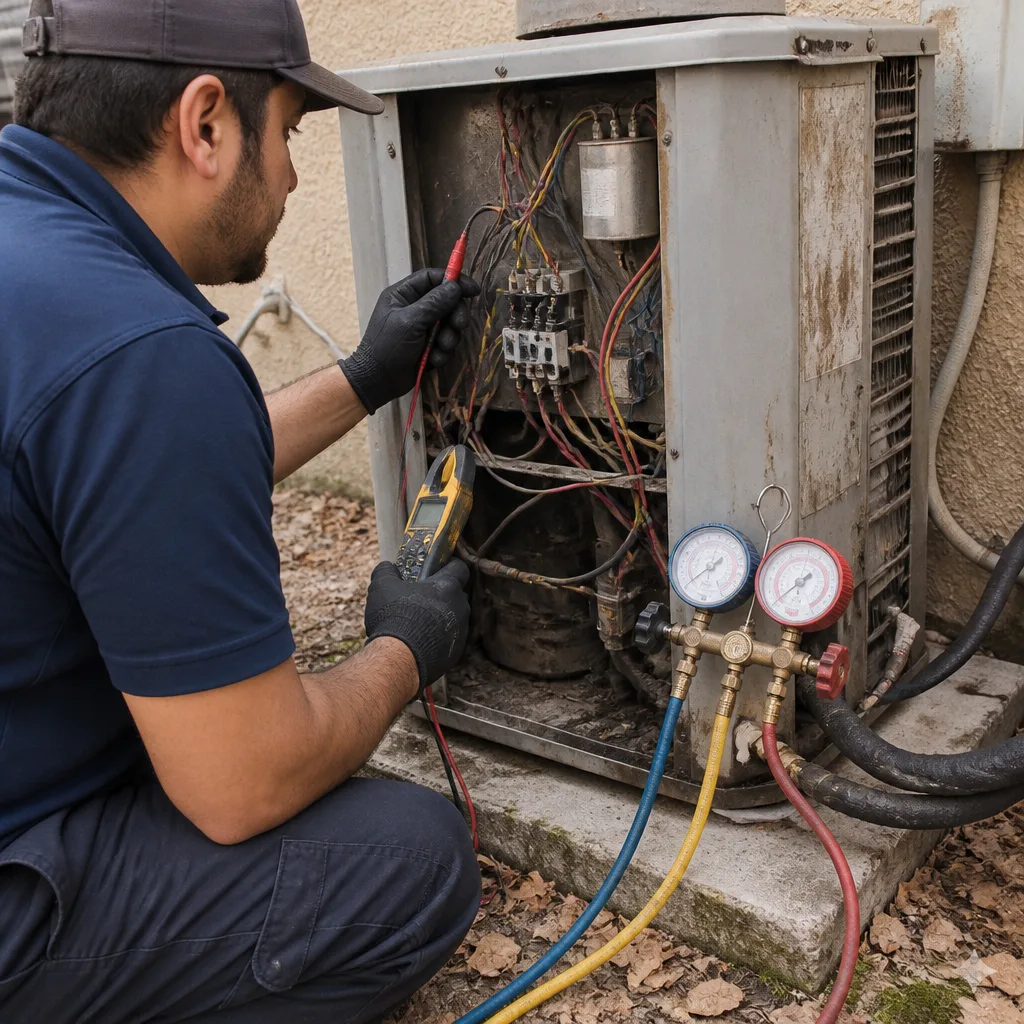 Before
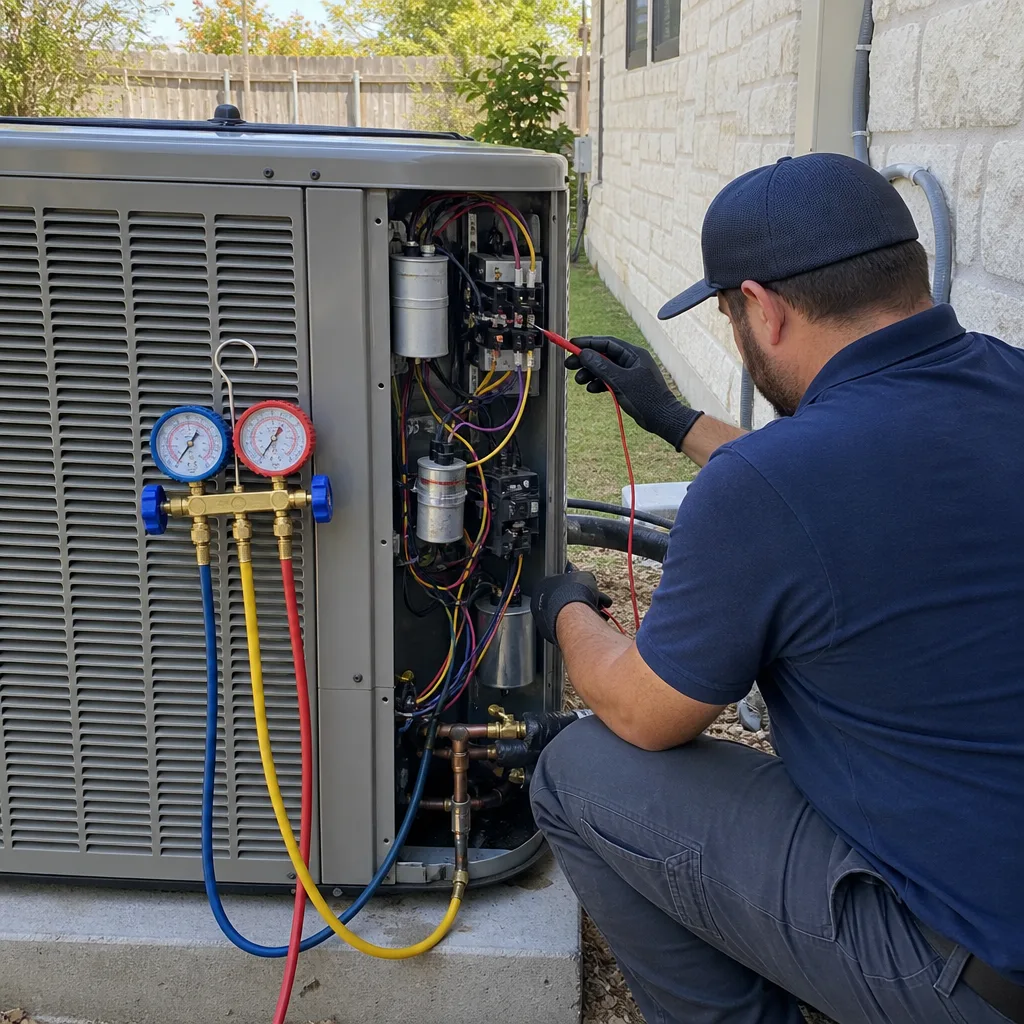 After
After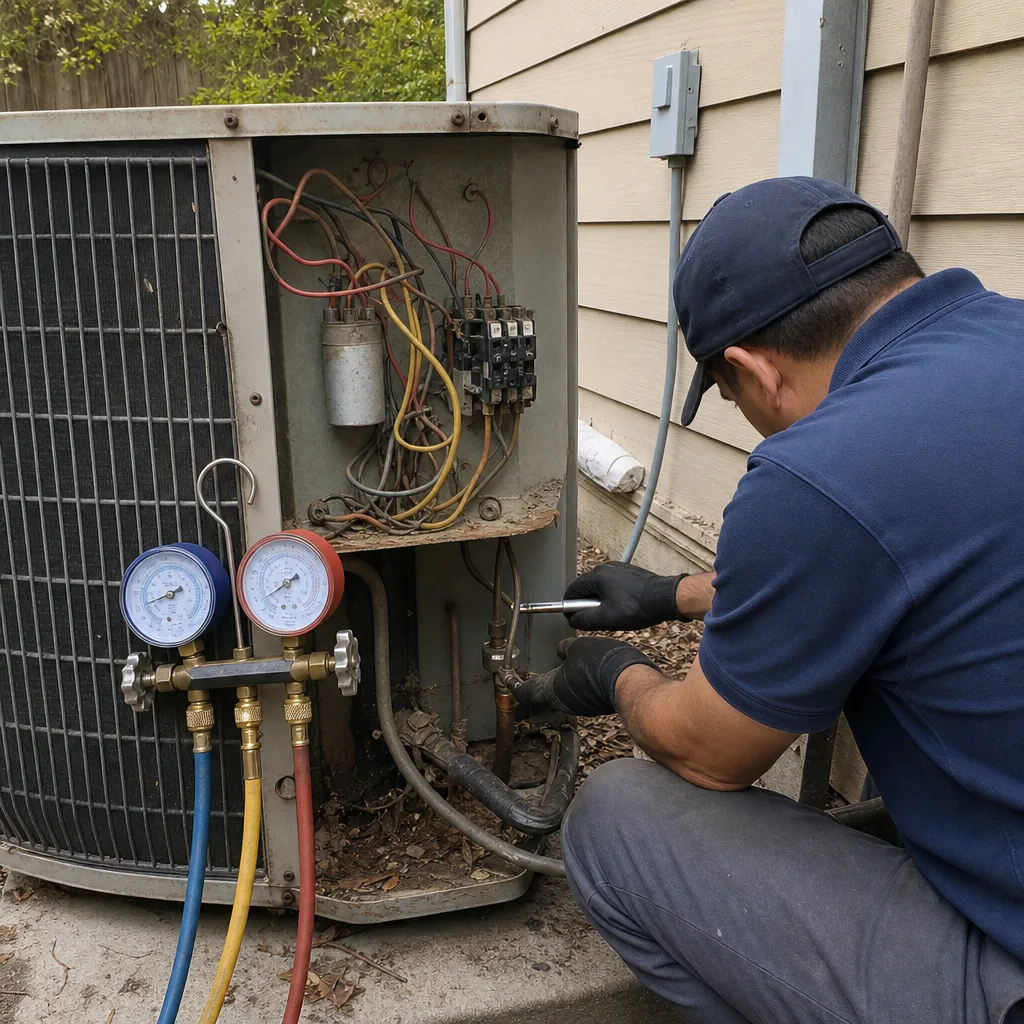 Before
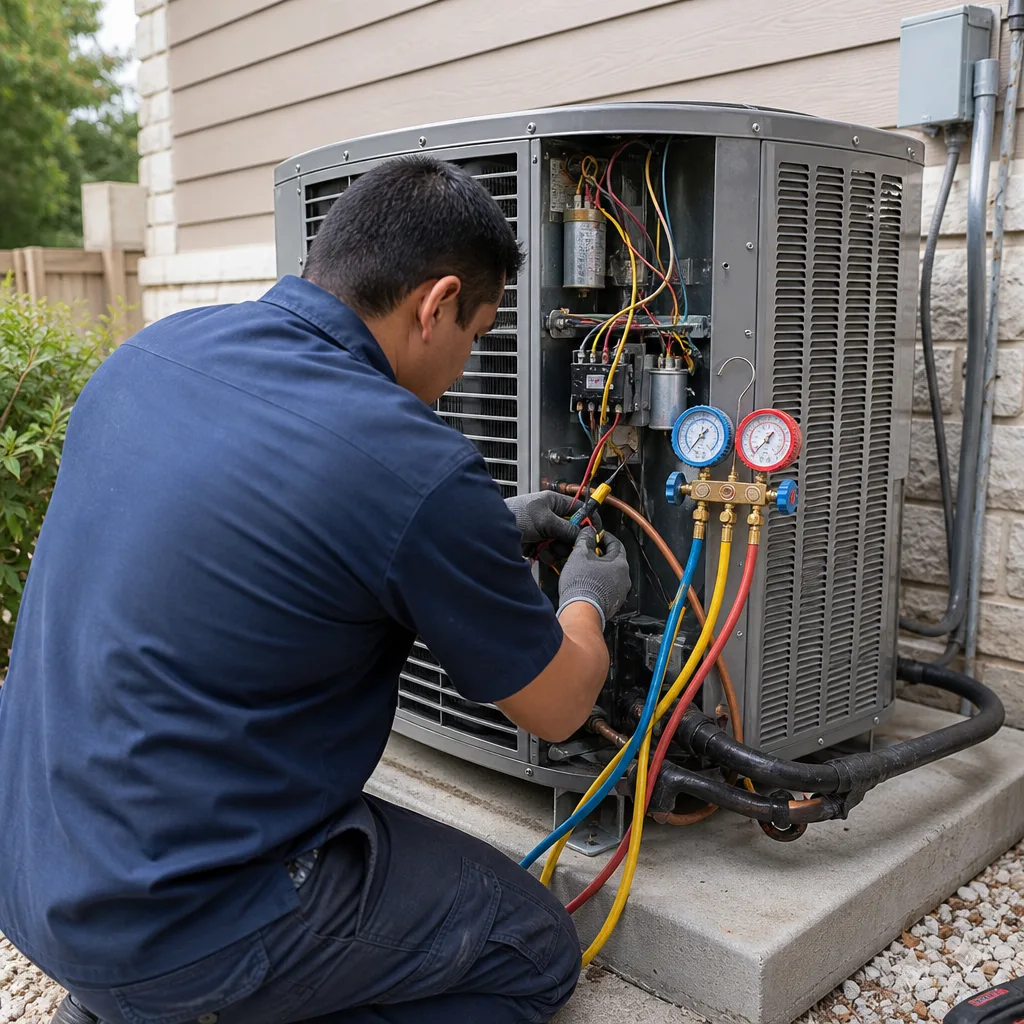 After
After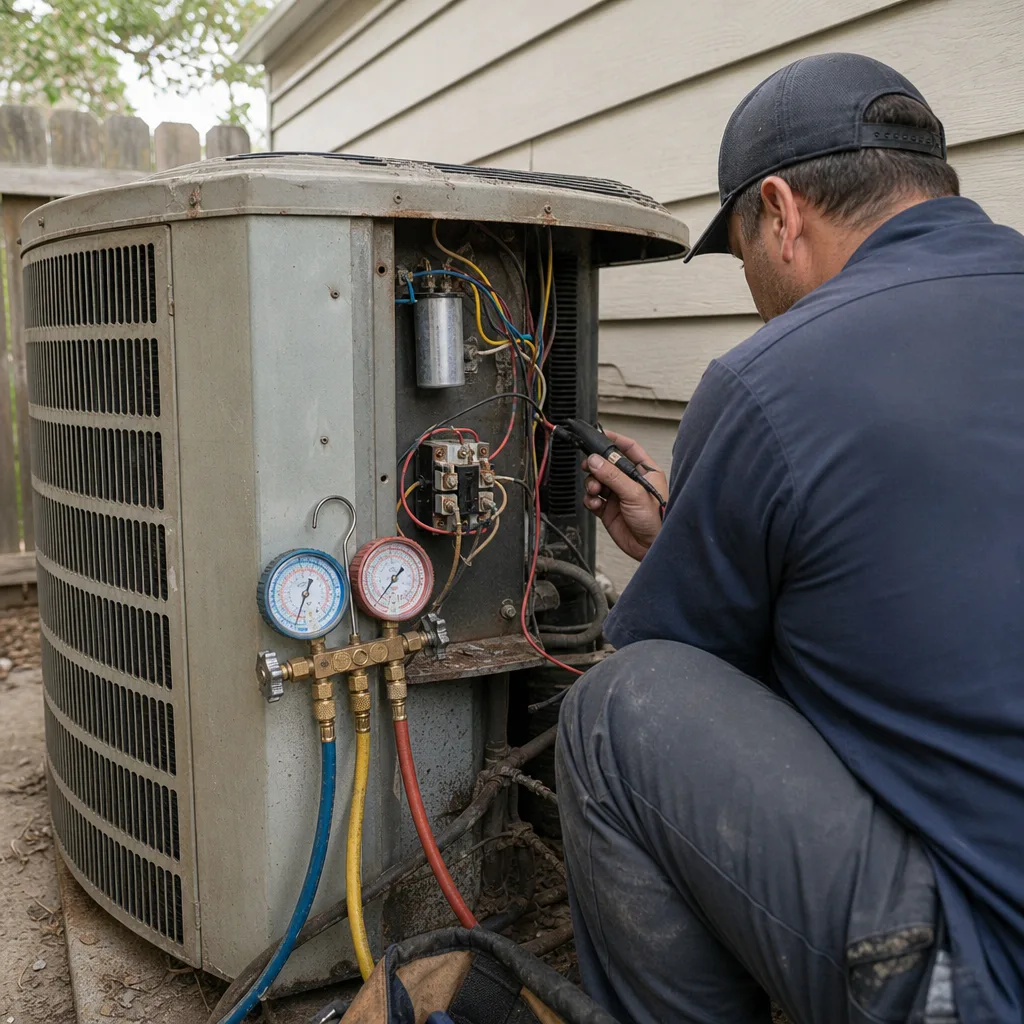 Before
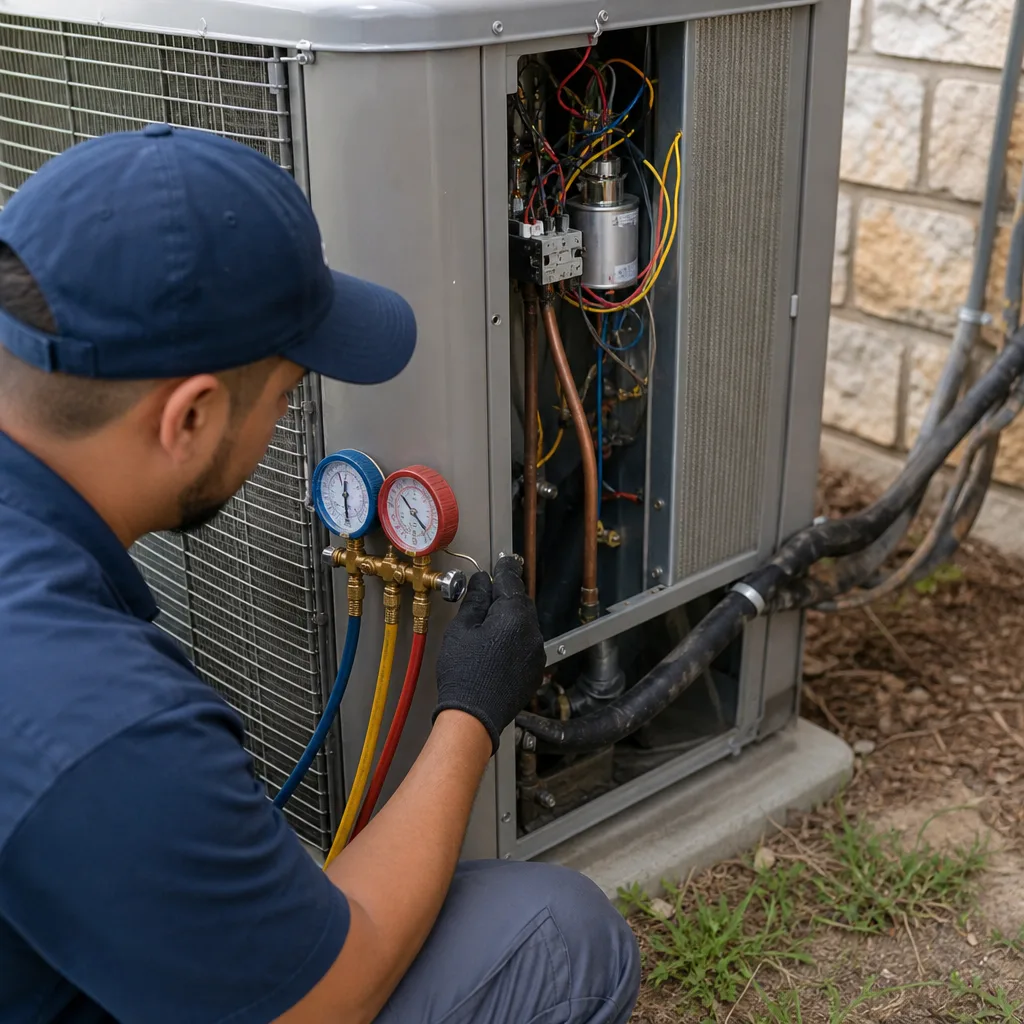 After
AfterWhen to Call a Professional
Call a licensed HVAC contractor when you discover that your current system has no permit history and you want a compliance plan, when a seller asks you to sign off on an unpermitted system without a price adjustment, or when your insurance company asks for proof of installation and you cannot produce it. These situations need a documented, permitted path, not a handshake and a promise. Brandt HVAC Co San Antonio offers free estimates in San Antonio, and every job starts with a written price before any work begins. Call (361) 470-8872 if you want a professional to evaluate your equipment, explain the permit picture, and give you the straight numbers on repair versus replacement. You can also learn more about our AC Repair in San Antonio work or explore our Furnace Repair in San Antonio page if your system is struggling. For seasonal upkeep, our AC Maintenance in San Antonio program includes a written report of condition, which is a useful document to keep for future permit or resale questions.
Frequently Asked Questions
Yes, replacing the full condensing unit and evaporator coil in San Antonio generally requires a City permit pulled by a licensed contractor. Simple part replacements like a capacitor or contactor do not. Call (361) 470-8872 and we’ll tell you which category your job falls into, free.
Most residential HVAC changeout permits in San Antonio run between $100 and $400 depending on the scope and valuation of the work. A reputable contractor shows this as a line item on the written quote, never as a mystery fee. Call (361) 470-8872 for a quote with the permit fee broken out line by line.
Texas law allows a homeowner to perform HVAC work on their own residence without a TACL license, and the City of San Antonio does allow homeowner permits in some cases. However, the work must still meet code and pass inspection, and if the installation fails inspection, the homeowner is responsible for all corrections without a contractor’s warranty. Most homeowners are better served by a licensed contractor who stands behind the work, and remember that an unpermitted homeowner job can still complicate insurance and resale.
Search the property address in the City of San Antonio Development Services online permit portal and look for mechanical or HVAC entries that match your equipment’s installation date. If the portal is unclear, call Development Services directly and request a records check on the address. A missing record does not always mean missing work, but it should always be investigated before you sell.
The inspector lists the corrections needed, the contractor fixes them, and a re-inspection is scheduled, usually within a few days. A failed inspection is a delay and a correction path, not a project-ending event, and it is exactly the safety check the permit system exists to perform.
If the system is under ten years old and in good condition, the least expensive path is often a retroactive permit with any needed corrections. If the equipment is near the end of its life, a permitted replacement of a Carrier, Bryant, Trane, or American Standard system is usually the cleaner financial call, because it resets the record and gives you a warranty-backed system. We can walk you through both numbers side by side. Call (361) 470-8872 for a free estimate.
The Bottom Line
HVAC permits in San Antonio are not a formality. They are the difference between a system that protects your home and a system that can become a liability at sale time or in an insurance claim. The rules are learnable: replacements and new installations need permits, repairs generally do not, the permit record is public and searchable, and a contractor who truly handles the permit will put it in writing and show you proof. Check your current system now, require written permit line items on every quote, and do not release final payment until the inspection passes. For more about how we approach pricing, vetting, and guaranteed work, visit our Brandt HVAC Co San Antonio home page.
Written by Devin Marlowe, Owner at Brandt HVAC Co San Antonio, serving San Antonio since 2003.